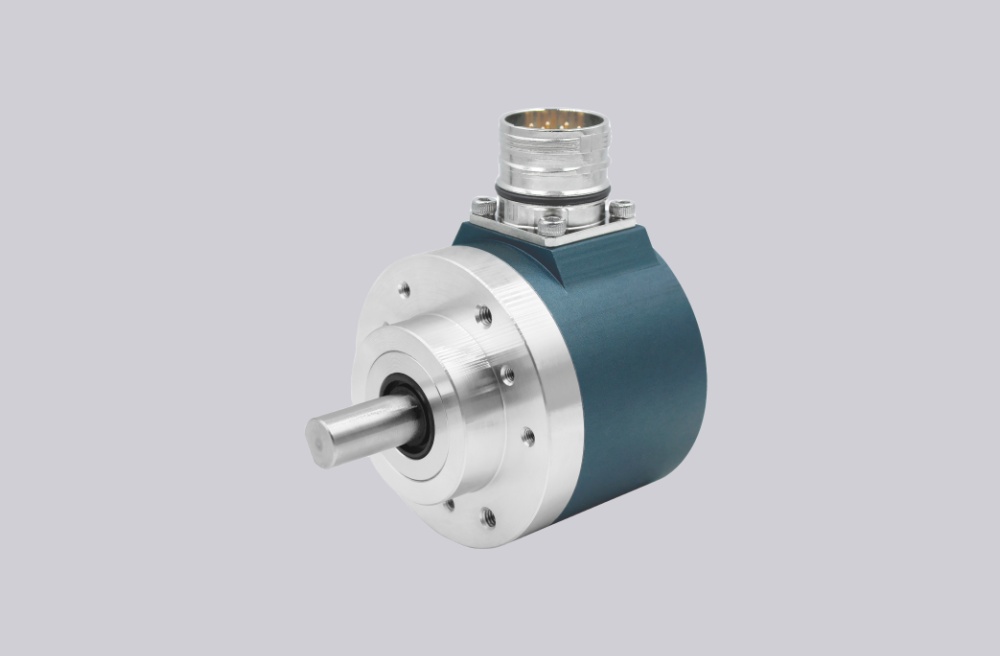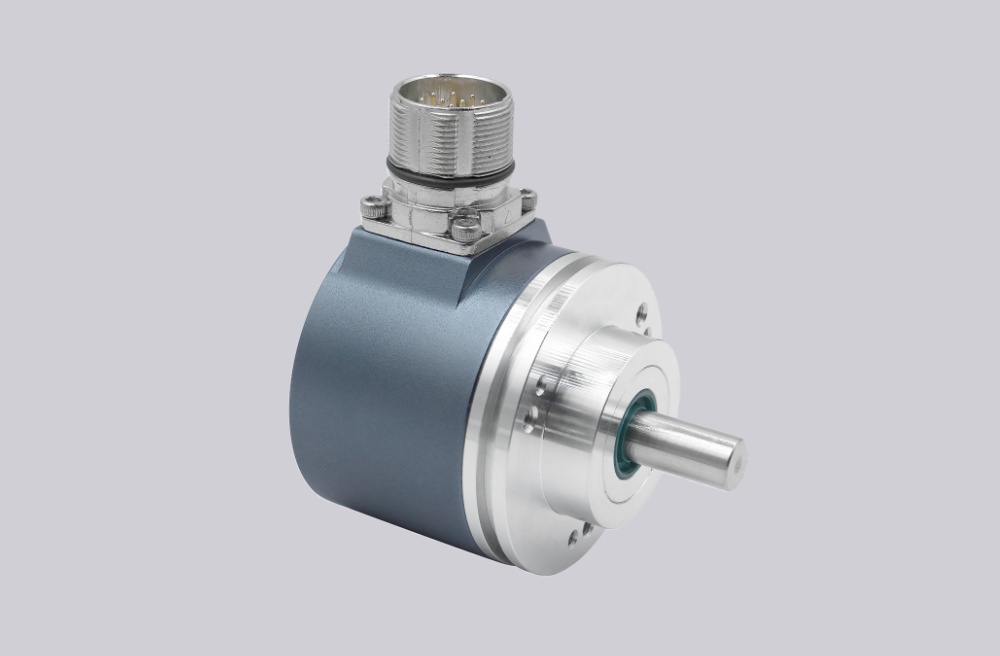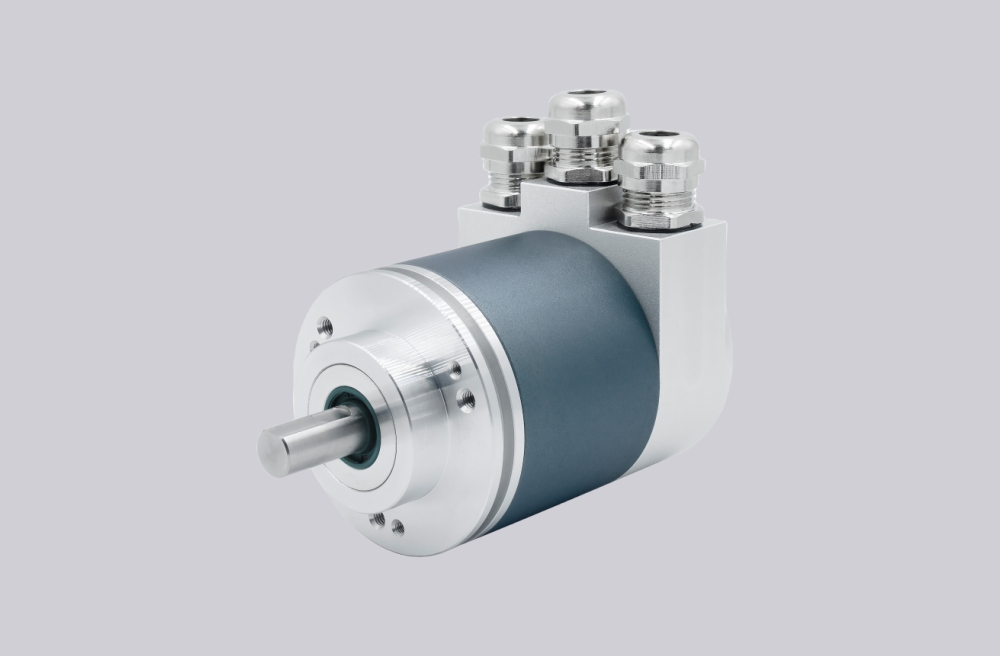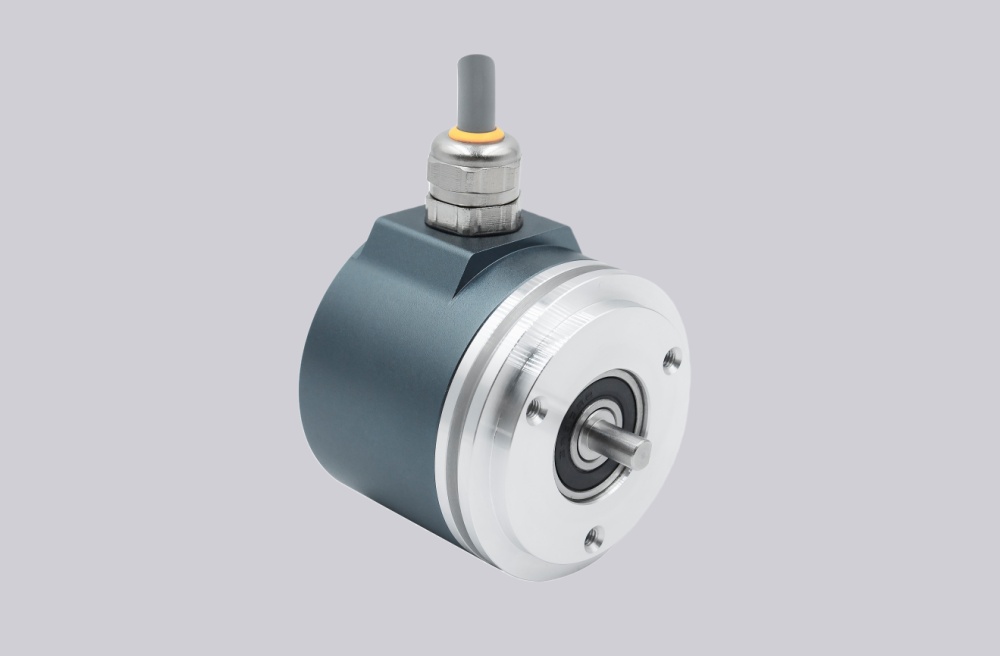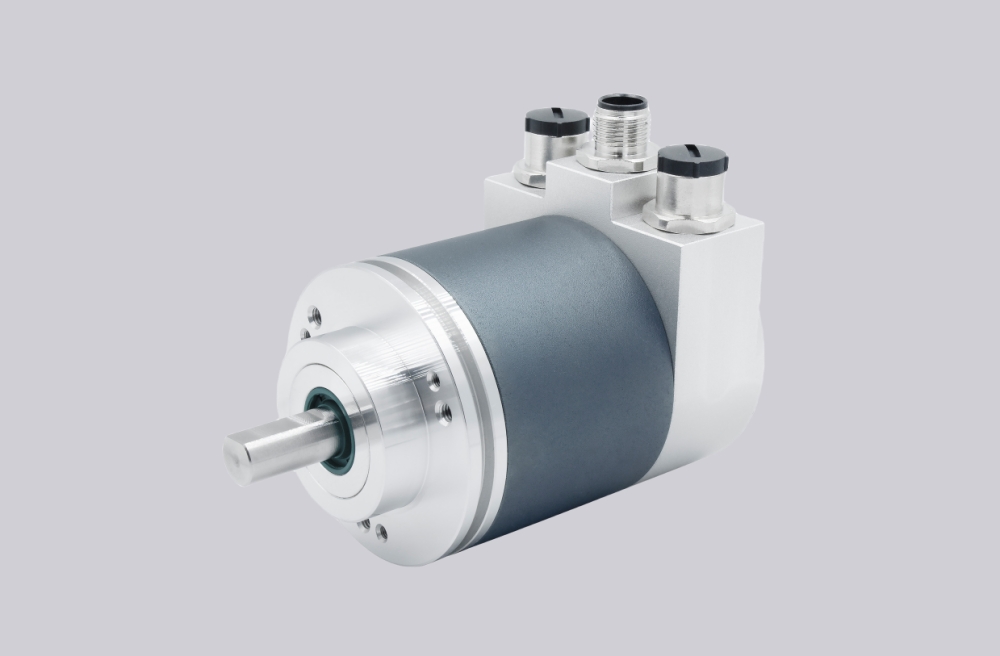




SSI encoders are widely used in industrial systems that require stable and deterministic absolute position feedback. In many practical applications, however, standard encoder configurations cannot fully match the mechanical structure, controller interface, or installation conditions of the target equipment. Under these constraints, customization is not an optional upgrade, but a necessary step to achieve reliable integration.
In engineering projects, customization usually starts from mechanical compatibility. Shaft diameter, shaft type, flange structure, mounting pattern, housing size, and available installation space must all match the existing equipment. A signal interface may be fully compatible in theory, but if the encoder cannot be installed correctly or maintain stable mechanical alignment, long-term operation will still be affected. In industrial environments, poor mechanical matching often leads to vibration, misalignment, premature wear, or unstable feedback during operation.
Electrical connection format is another key part of SSI encoder customization. Depending on the equipment layout and maintenance requirements, the encoder may need a terminal board, cable outlet, or connector-based interface. This is not a minor packaging detail. In many systems, connection form directly affects wiring efficiency, cabinet layout, field maintenance, and installation reliability. A configuration that is electrically correct but inconvenient to wire or service may still create long-term operational problems.
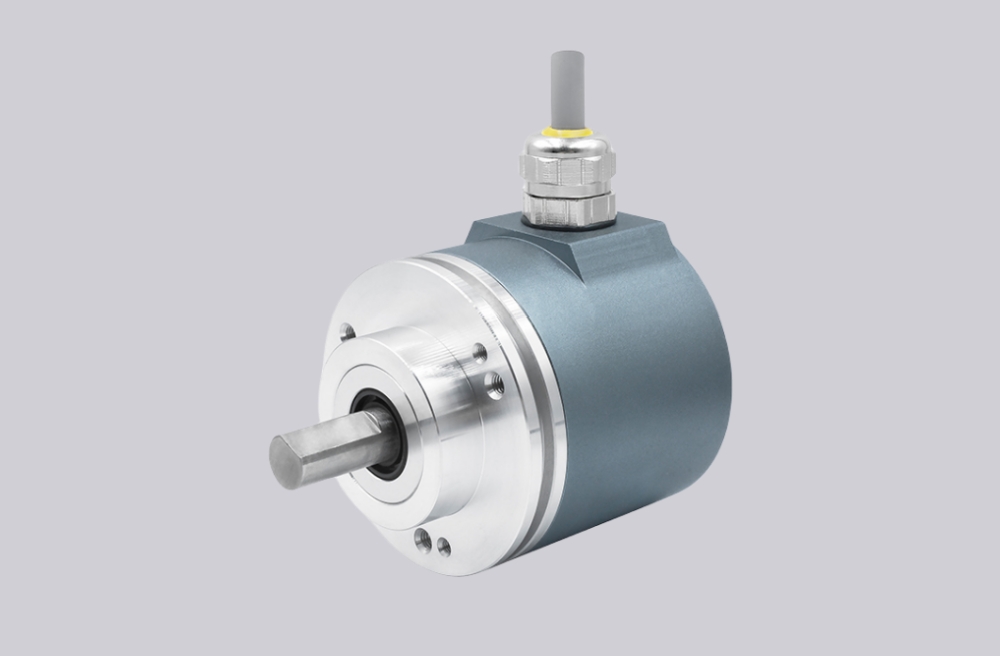
On the communication side, SSI customization often involves data structure rather than only resolution. The bit length must match the controller’s expected input format, including single-turn resolution, multi-turn range, and any additional status or parity bits if required by the system. In practical integration work, an encoder may transmit stable data while still producing incorrect position values if the controller interpretation does not match the actual data structure.
Clock compatibility is equally important. SSI communication depends on a clock signal generated by the controller, so the encoder must operate correctly within the required clock frequency range. In applications with long cable runs, high electrical noise, or demanding installation conditions, signal stability may depend on appropriate clock settings rather than nominal interface type alone. For this reason, clock behavior should be treated as part of the system matching process, not as a fixed default condition.
Cable and wiring conditions also need to be evaluated during configuration. Shielding, grounding, cable routing, and transmission distance all affect communication stability. Twisted-pair wiring is typically preferred for SSI signals, while routing should avoid high-power motor cables, inverter outputs, and other strong sources of electrical interference. In many industrial projects, unstable SSI communication is caused less by encoder failure than by poor wiring practice or insufficient electromagnetic protection.
Environmental conditions must also be included in the customization scope. Temperature range, dust exposure, moisture, vibration level, and protection requirements all influence the final encoder configuration. In demanding environments, sealing performance, structural robustness, and long-term resistance to vibration may be more important than interface specification alone.
From a practical engineering perspective, SSI encoder customization is not simply a matter of changing one or two parameters. It is a structured process of aligning mechanical dimensions, electrical connection form, signal definition, clock behavior, and installation environment with the control system requirements. A well-configured encoder is not the one with the most features, but the one that fits the system without creating new integration risks.
This article is intended to clarify the practical scope of SSI encoder customization and to highlight the main interface configuration factors that determine stable performance in real industrial applications.