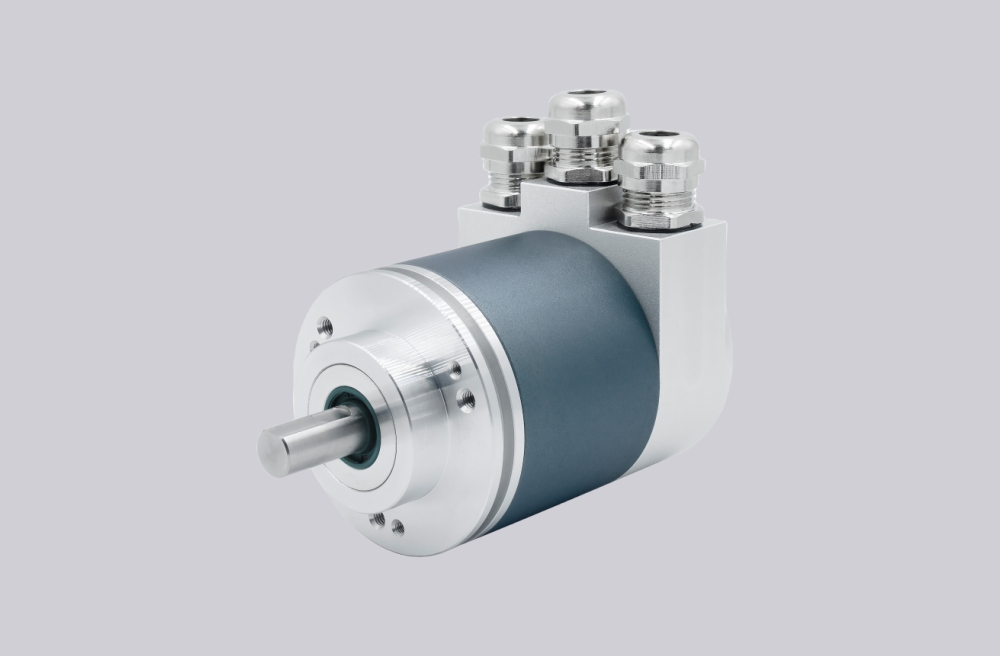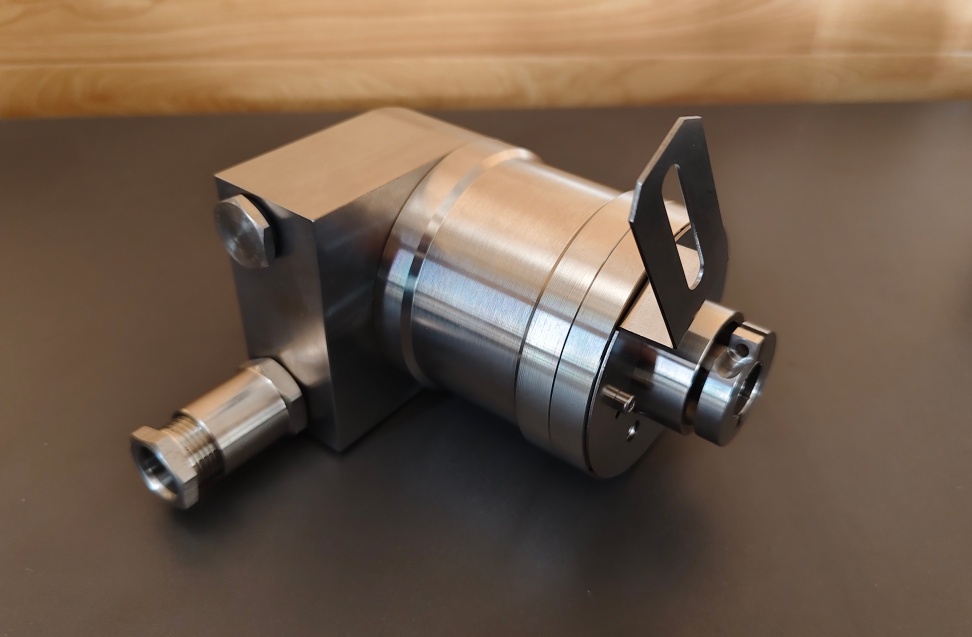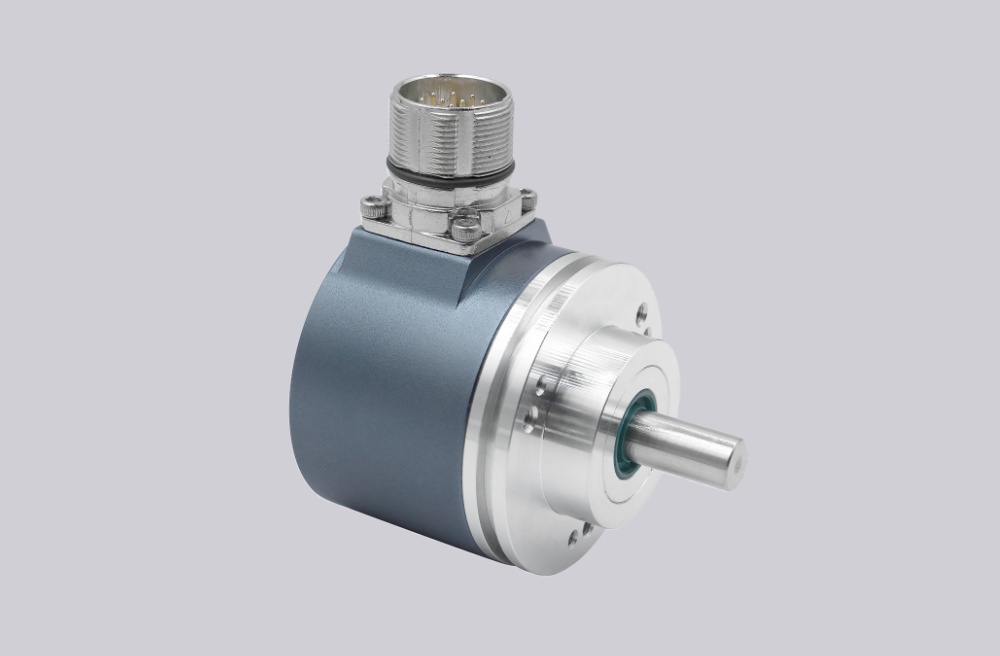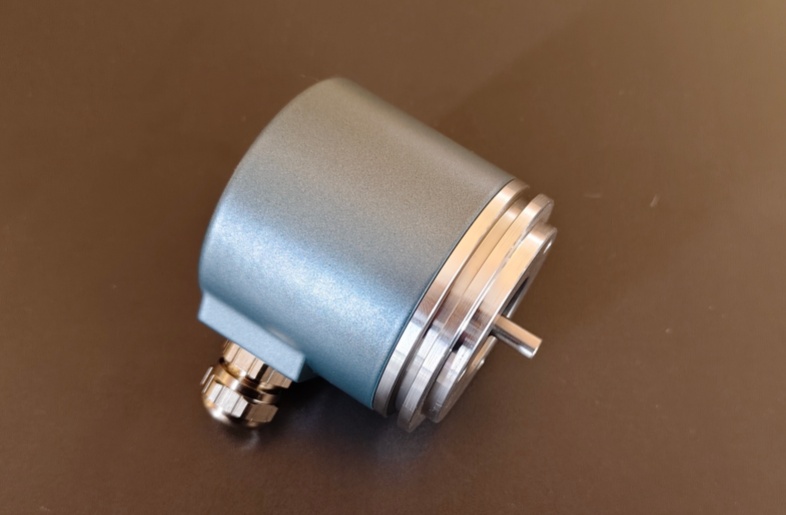




PROFINET encoders are used in industrial automation systems that require real-time communication and direct integration with Ethernet-based control architectures. Compared with traditional fieldbus solutions, PROFINET allows higher data transmission rates, flexible network topology, and improved diagnostic capabilities within modern control systems.
In practical applications, PROFINET absolute encoders are commonly applied in automated production lines, packaging systems, robotic equipment, and positioning units where synchronized motion control and deterministic communication are required. The use of Ethernet-based protocols simplifies system wiring and enables more efficient data exchange between controllers, drives, and feedback devices.
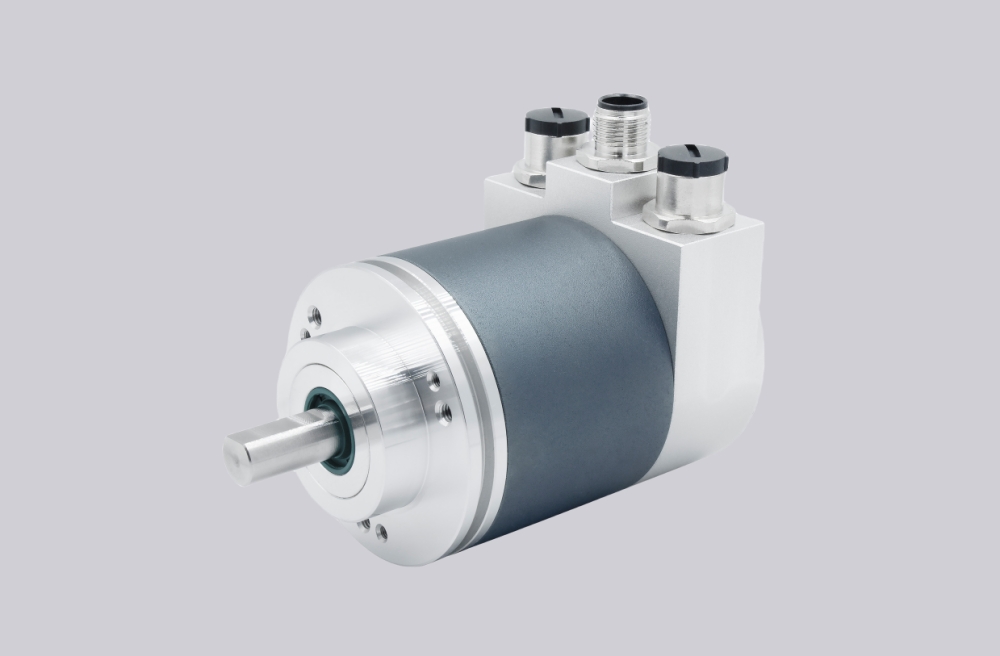
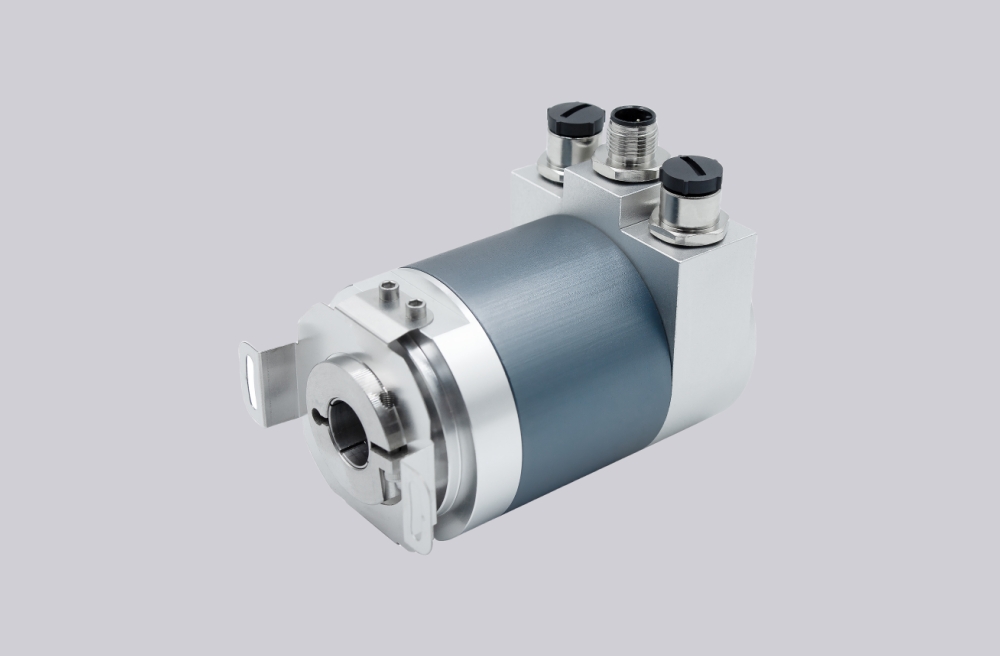
Absolute encoder configurations in PROFINET systems typically include both single-turn and multi-turn types. Single-turn encoders are suitable for applications with position tracking within one mechanical revolution, while multi-turn encoders are required when total rotation count must be retained, particularly in systems that need position recovery after power interruption.
From an engineering perspective, selecting a PROFINET encoder involves more than protocol compatibility. Key considerations usually include network integration (device naming, IP configuration, GSDML file support), mechanical interface matching (shaft type, flange dimensions, installation space), power supply range, and environmental protection level. In many retrofit scenarios, installation compatibility and system communication matching are more critical than theoretical performance parameters.
Mechanical configurations may include solid shaft, blind hollow shaft, and through hollow shaft structures to meet different installation requirements. In addition, industrial environments often require protection features such as vibration resistance, electrical protection, and stable operation under varying temperature and humidity conditions.
During system integration, attention should also be given to network setup and communication stability, including device addressing, switch configuration, cable shielding, and grounding practices. Improper network design or wiring may lead to communication delays or data loss, even when the encoder itself is functioning correctly.
In practical engineering projects, the main objective is not selecting the most advanced encoder, but ensuring compatibility with the existing control system, mechanical installation, and communication structure. This is especially important in equipment upgrades and replacement applications where system continuity is required.
This article outlines the role of PROFINET absolute encoders in industrial systems and provides a structured view of selection and integration considerations for real-world applications.