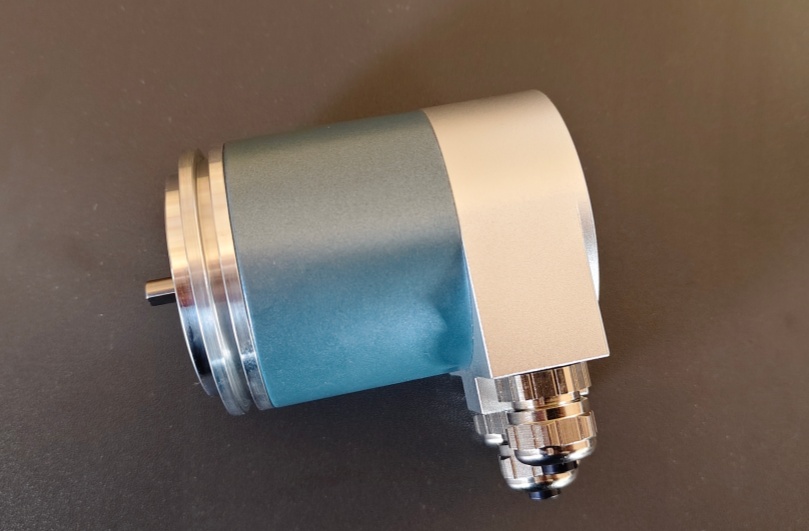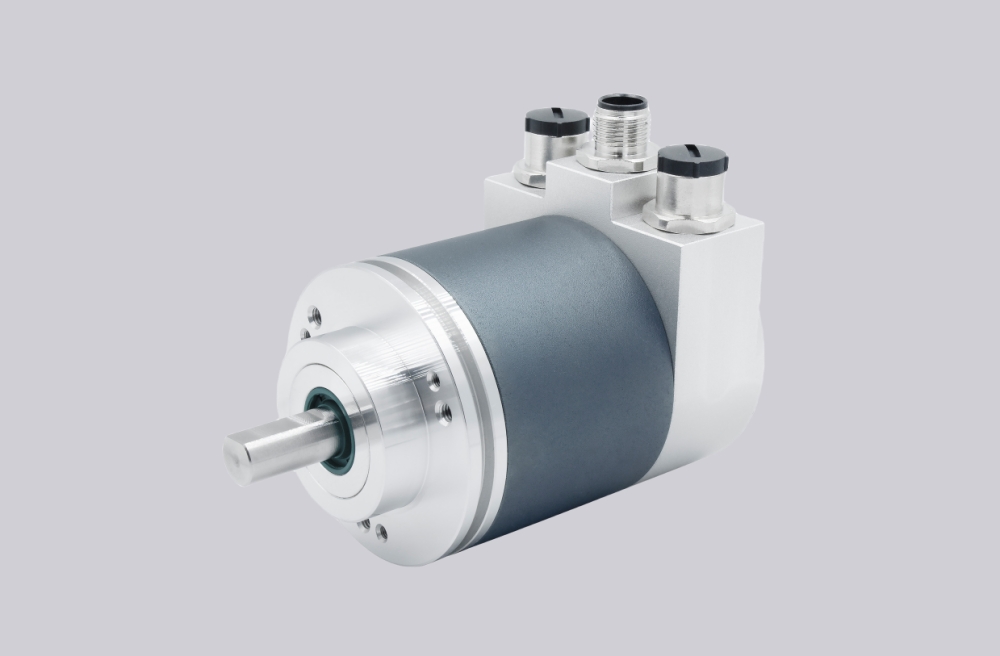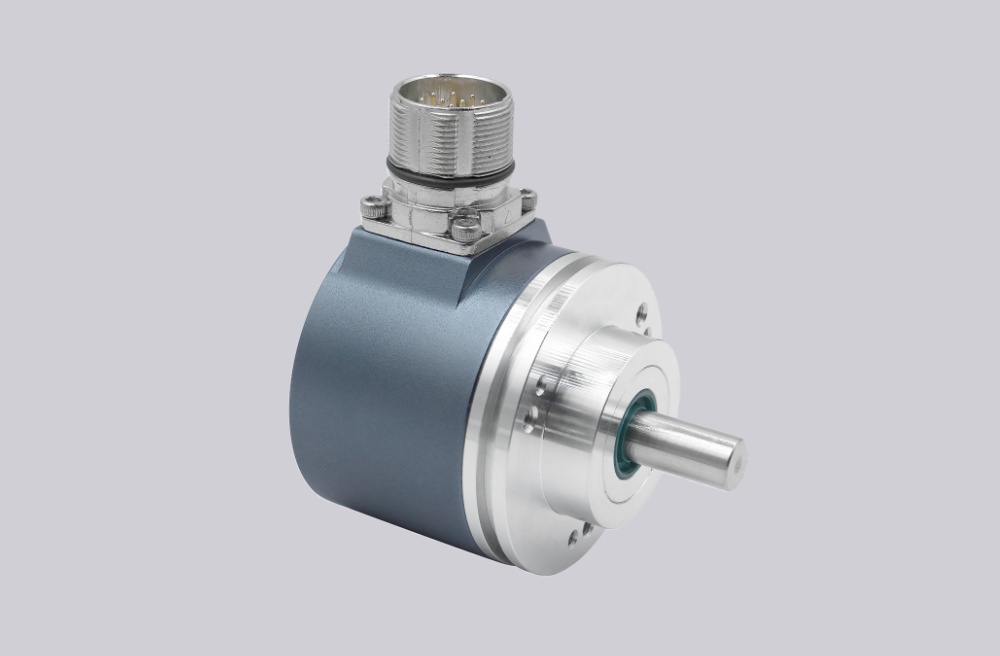




PROFIBUS encoders are typically used in industrial automation systems where deterministic communication and stable position feedback are required. Unlike conventional signal-based encoders, a PROFIBUS absolute encoder communicates directly with PLC or distributed control systems through a fieldbus architecture, reducing wiring complexity and improving system-level integration.
In practical applications, PROFIBUS encoders are commonly found in production lines, material handling systems, rotary positioning units, and lifting equipment where synchronized communication and predictable data exchange are essential. Even with the increasing adoption of Industrial Ethernet, PROFIBUS DP remains widely used in existing systems due to its stability and compatibility with established control platforms.
Absolute encoder configurations in PROFIBUS systems usually include both single-turn and multi-turn types. Single-turn encoders are suitable for applications where position is limited to one mechanical revolution, while multi-turn encoders are selected when total rotation count must be retained, especially in systems requiring recovery after power loss or restart without re-referencing.
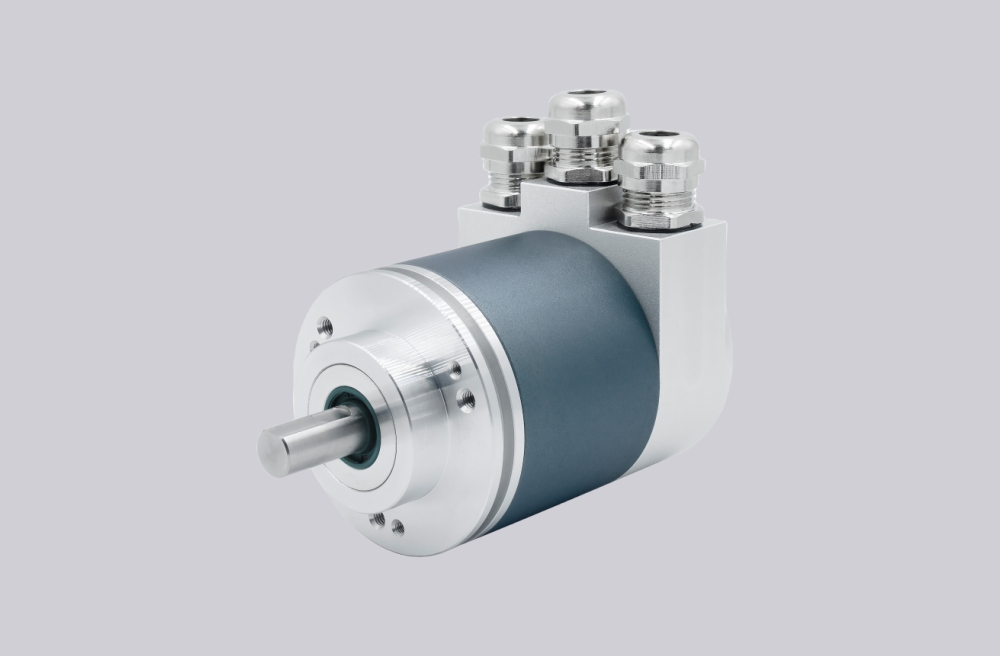

From an engineering perspective, the selection of a PROFIBUS encoder is rarely based on resolution alone. More critical factors include communication compatibility (such as DPV0 protocol requirements), mechanical interface matching (shaft diameter, flange type, installation space), power supply range, and environmental protection level. In retrofit projects, dimensional compatibility and interface consistency are often the primary constraints.
Typical mechanical designs include solid shaft, blind hollow shaft, and various flange configurations to adapt to different installation conditions. In addition, protection features such as reverse polarity protection, short-circuit protection, and resistance to vibration are important for maintaining long-term stability in industrial environments.
During system integration, attention should also be given to PROFIBUS network configuration, including node addressing, bus termination, cable shielding, and grounding. Incorrect wiring or network layout can lead to communication instability even if the encoder itself is functioning correctly.
In many real-world projects, the key engineering task is not selecting a “high-performance” encoder, but identifying a configuration that matches the existing system architecture, mechanical constraints, and communication requirements. This is particularly important in replacement scenarios where compatibility determines implementation success.
This article provides a practical overview of how PROFIBUS absolute encoders are used in industrial systems and outlines the main considerations for selection and integration in real applications.