Home
Solutions
SSI
RS485 / Modbus-RTU
CANopen
Analog
Profinet
Profibus
Parallel
EtherCAT
EtherNET
Incremental
Absolute Encoder
Incremental Encoder
Draw Wire Sensors
Technical Insights
Contact
Analog
[4]
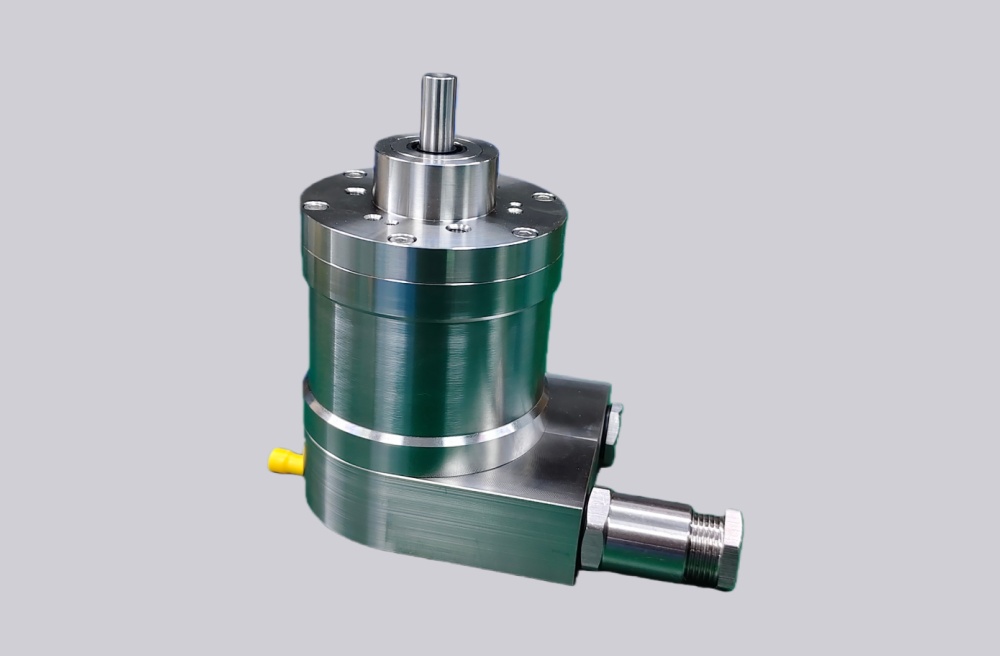
Explosion-Proof Analog Current (4–20 mA / 0–20 mA) Absolute Encoders for Hazardous Industrial Areas
Explosion-Proof Analog Voltage (0–10 V / 0–5 V) Absolute Encoders for Hazardous Industrial Areas
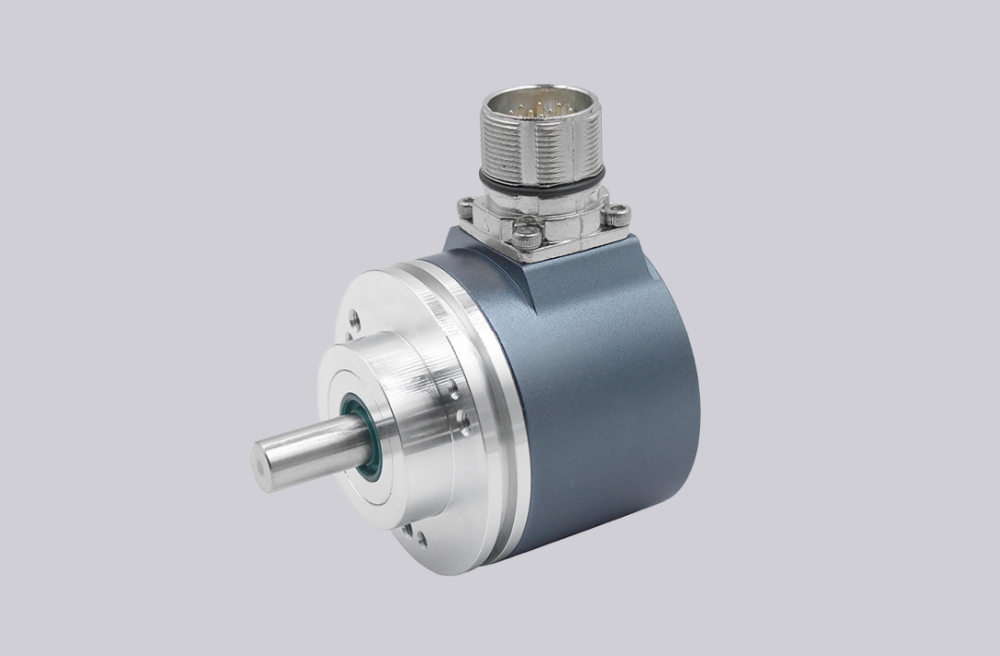
Standard-Housing Analog Voltage (0–10 V / 0–5 V) Absolute Encoders for Industrial Automation
Standard-Housing Analog Current (4–20 mA / 0–20 mA) Absolute Encoders for Industrial Automation
EncoderWorks Team
WeChat:+86 150 5045 0799 (WhatsApp)Email:sividi360@outlook.com