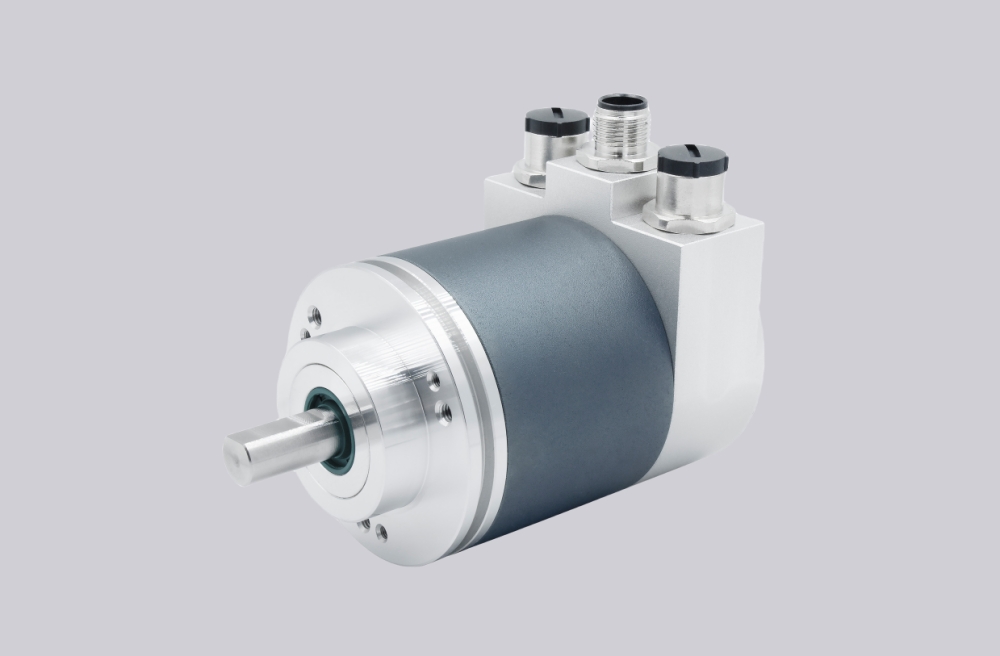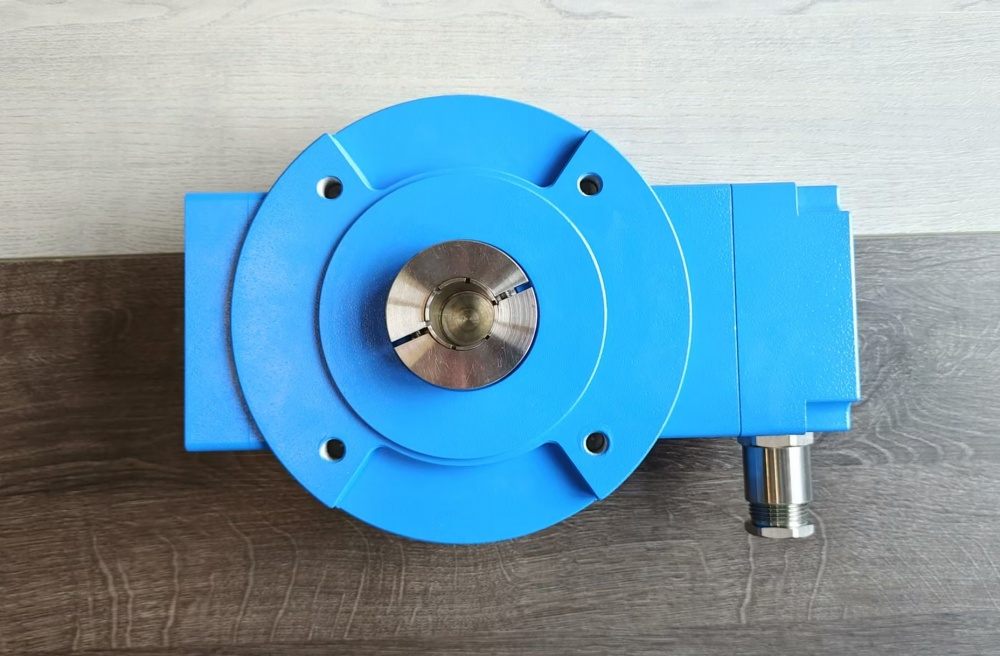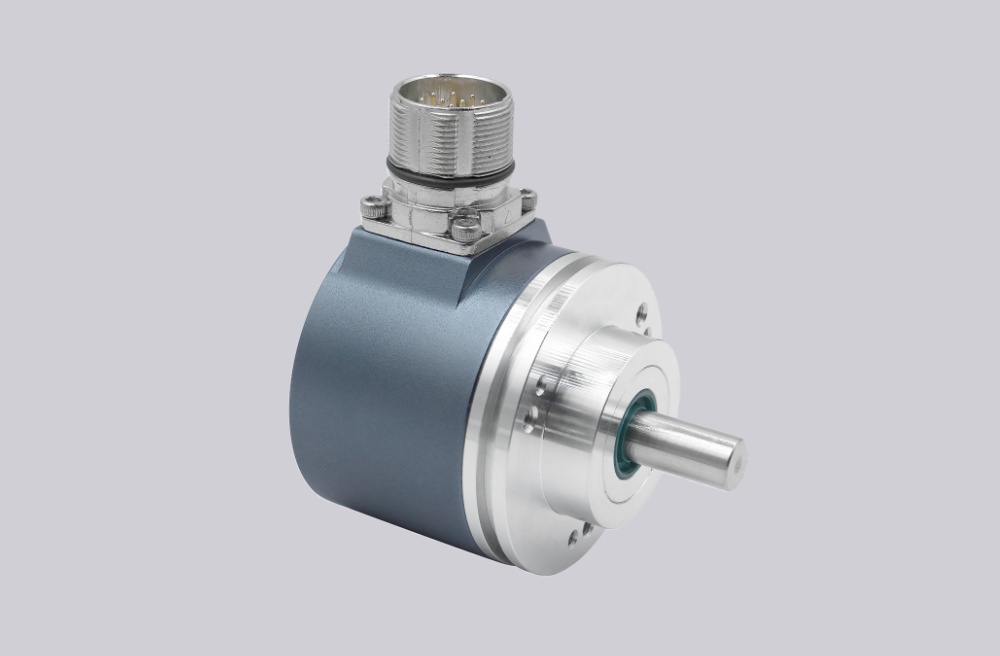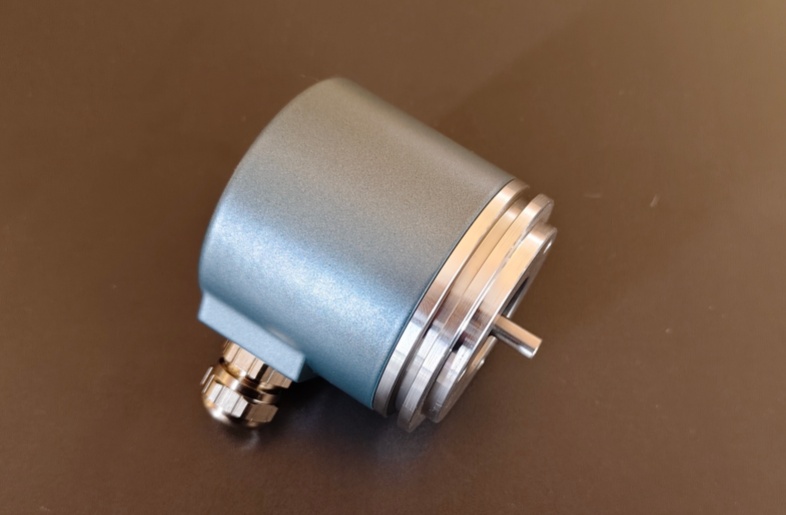




78mm absolute encoders are widely used in industrial automation systems where stable position feedback, compact installation, and communication flexibility must be achieved simultaneously. In practical applications, encoder selection is not determined by size or resolution alone, but by how well communication interface, mechanical structure, and system response align with the existing control architecture.
The 78mm platform is commonly used in equipment that requires a balance between mechanical robustness and installation adaptability. Typical applications include rotary positioning units, packaging machinery, lifting systems, production lines, and automated handling systems. In these environments, the encoder must provide reliable feedback while fitting within defined installation constraints such as flange structure, shaft configuration, and available space.
A key engineering advantage of this platform is its ability to support multiple communication interfaces within the same mechanical design. Depending on system requirements, a 78mm encoder may be configured with SSI, PROFIBUS, PROFINET, CANopen, RS485, or analog output. This flexibility makes it suitable for both new equipment design and retrofit projects where protocol compatibility is often the primary constraint.
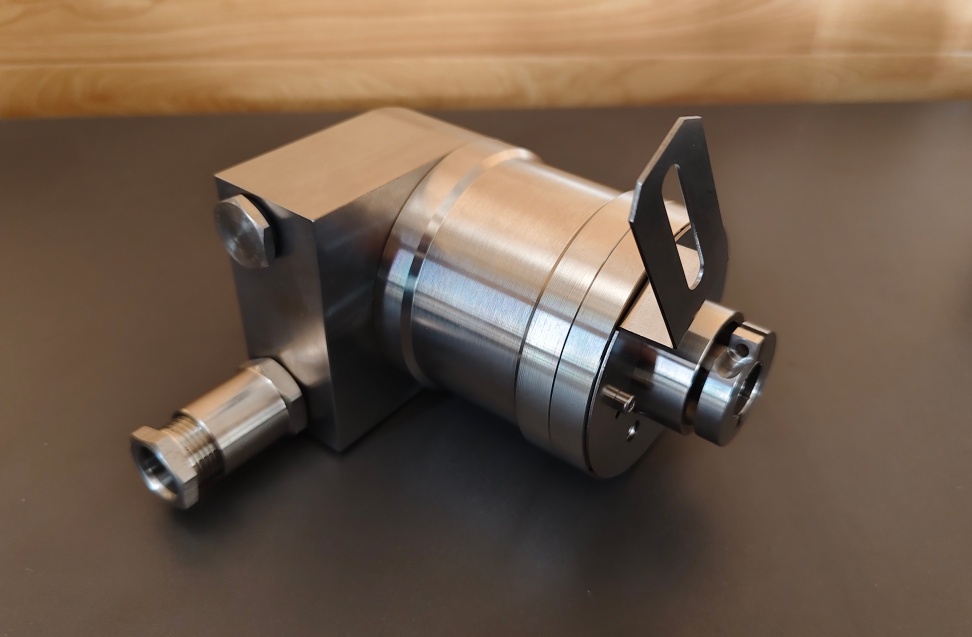
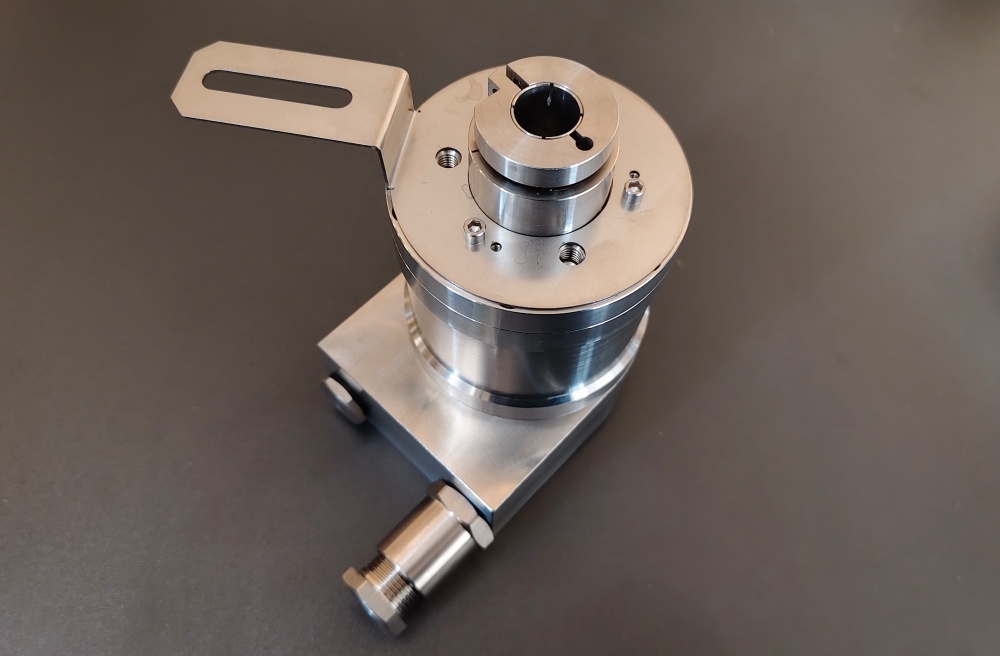
From an integration perspective, communication selection must be evaluated together with controller capability, wiring conditions, transmission distance, and diagnostic requirements. SSI is typically used for stable point-to-point transmission with deterministic timing. PROFIBUS and PROFINET are more suitable for fieldbus and Industrial Ethernet architectures where direct PLC integration is required. CANopen is commonly used in distributed control systems, while RS485 or analog outputs are applied in systems with specific interface limitations or simplified signal requirements.
In practical engineering, the critical factor is not which interface is more advanced, but which interface is compatible with the existing system. In many replacement scenarios, communication matching is more important than nominal performance, as the original control system may already define protocol structure, wiring method, update logic, and controller limitations. A mismatch at the interface level often creates greater integration difficulty than differences in encoder specification.
Mechanical compatibility remains equally important. Even when communication requirements are satisfied, the encoder must match installation conditions. For a 78mm encoder, this includes shaft type, flange structure, mounting pattern, axial space, cable outlet direction, and sealing requirements. In retrofit applications, dimensional consistency often determines whether replacement can be completed without modifying the surrounding mechanical structure.
Environmental and electrical factors also affect long-term performance. Cable shielding, grounding, voltage stability, vibration resistance, and protection level must all be considered. In industrial environments, unstable feedback is frequently caused not by encoder failure, but by improper wiring, insufficient shielding, or incorrect grounding practices.
From a system-level perspective, selecting a 78mm absolute encoder is not a component-level decision, but an integration task. The objective is to ensure consistency between communication interface, mechanical installation, and operating environment. In many applications, a well-matched configuration provides more reliable performance than a higher-specification device that does not fully fit the system.
This article outlines how 78mm absolute encoders are applied across different communication interfaces and highlights the key factors that determine stable integration in industrial systems.