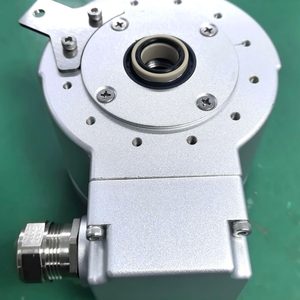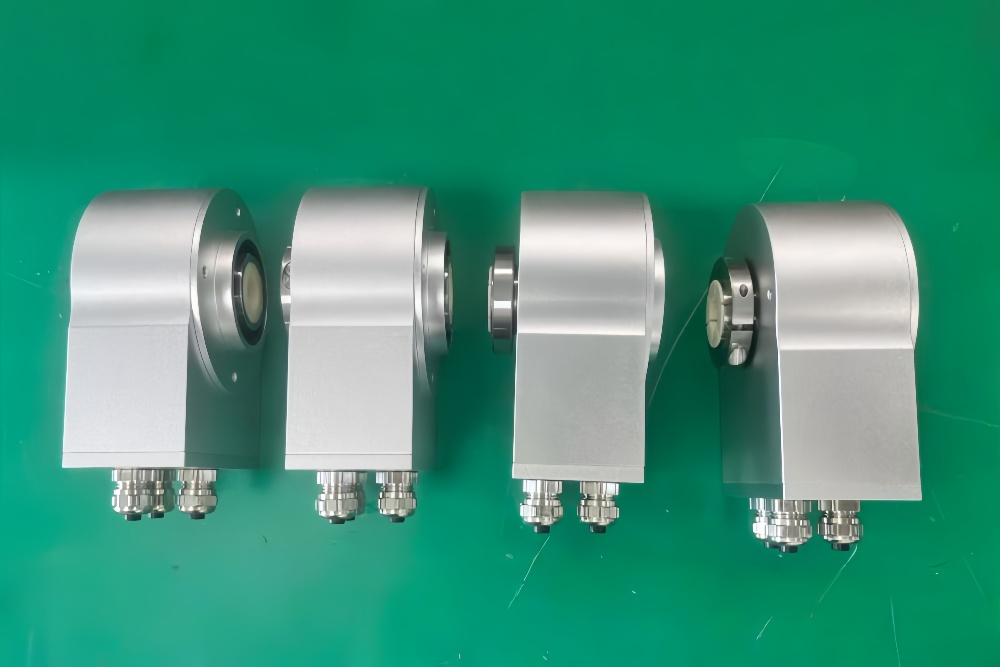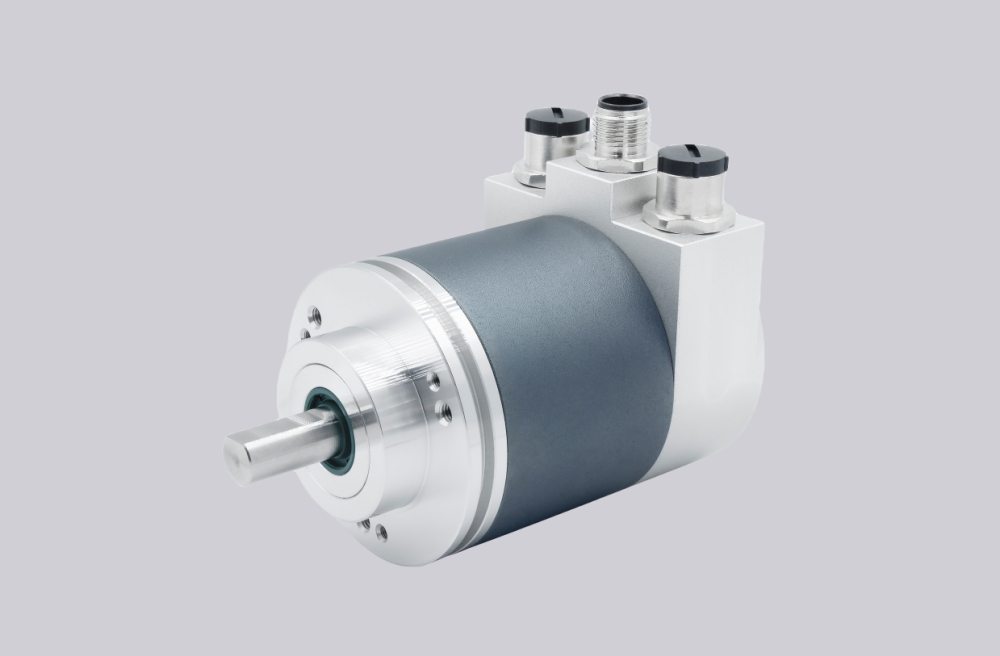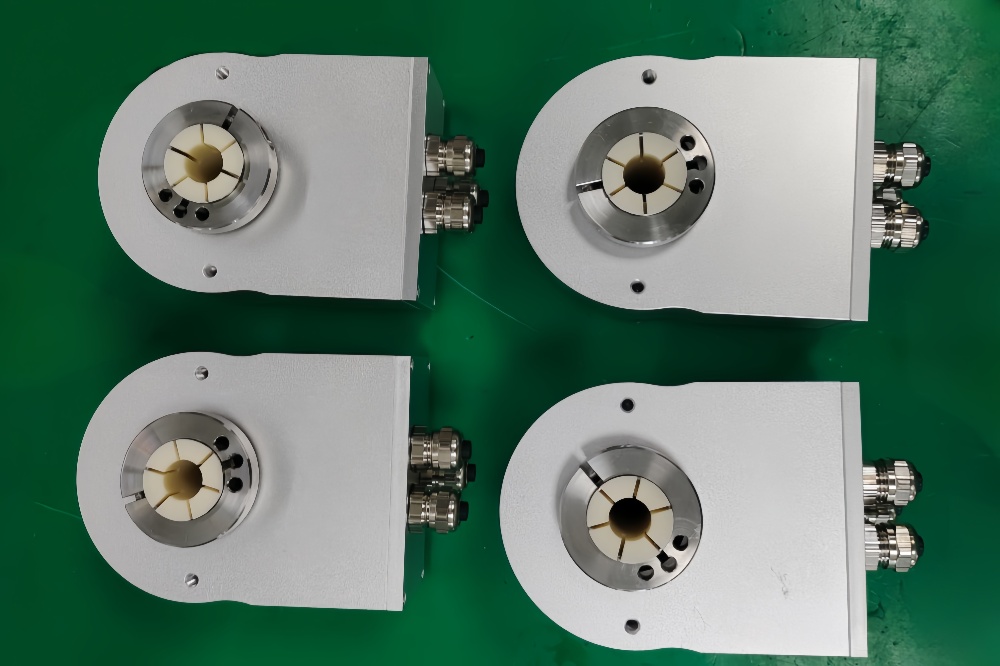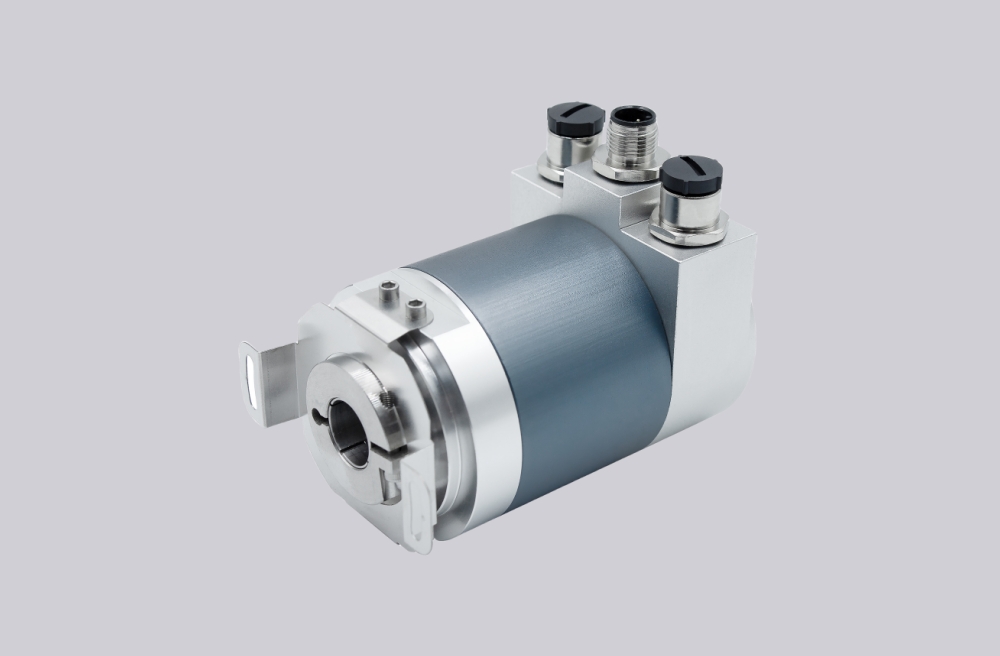




A custom compatible replacement for 14-1436X-300 can be supplied by EncoderWorks with the main check placed on 10–30 V RS422 receiver matching, 300 PPR controller scaling, and ATEX keyed-shaft mechanics. This model should not be treated as a generic low-pulse encoder. The lower pulse count gives more frequency headroom, but scaling, zero-channel use, differential-pair wiring, and shaft load still decide field reliability.
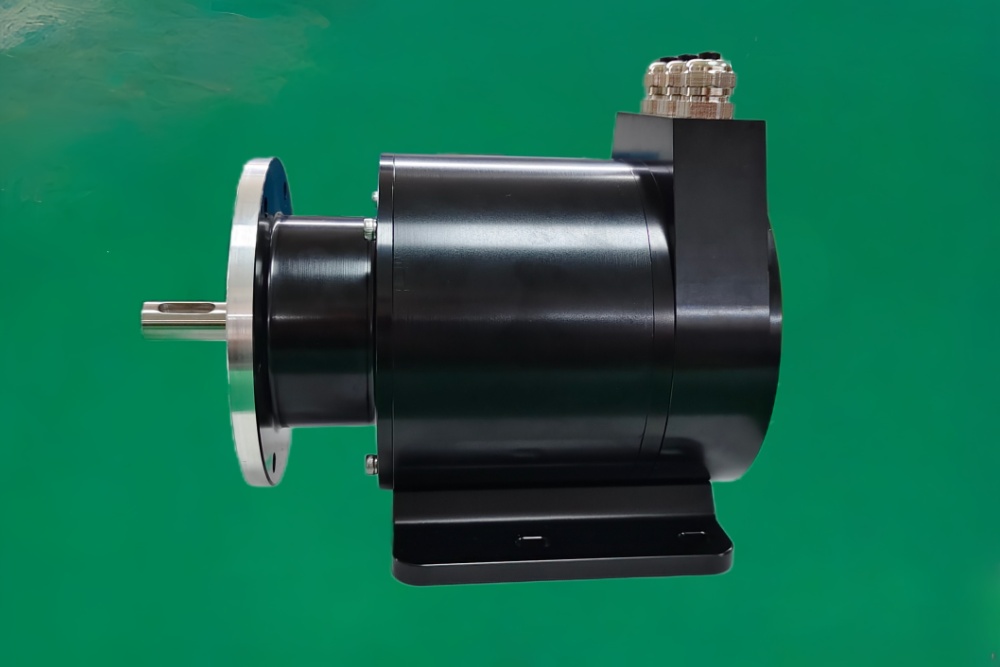
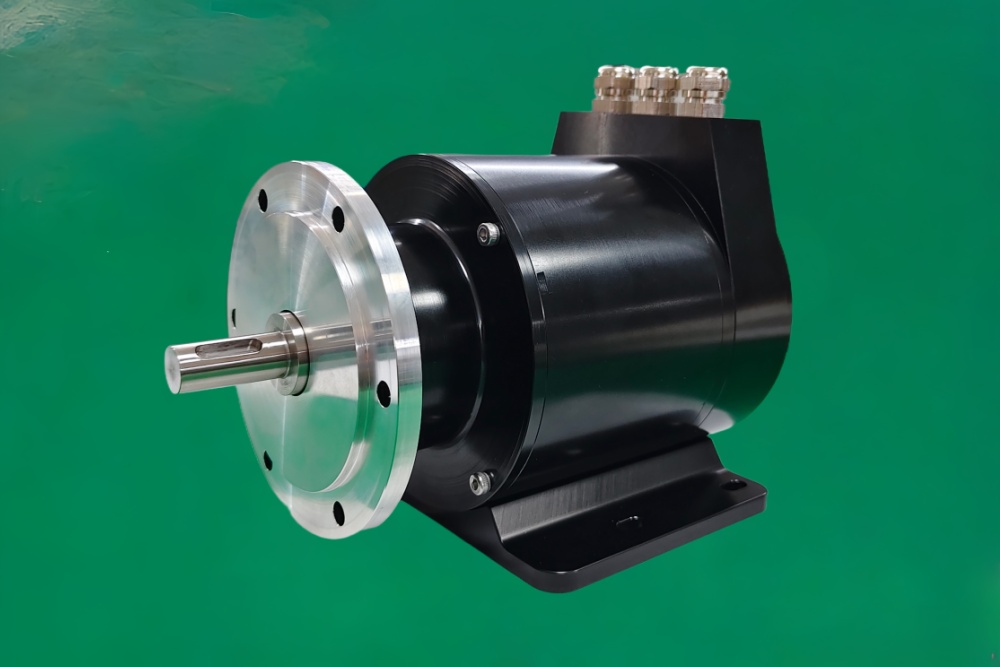
The 14-1436X-300 is an ATEX incremental rotary encoder configuration with photoelectric sampling, 300 PPR, 10–30 V RS422 output switching, A/B/0 plus inverted signal channels, IP66 protection, Ø12 mm keyed shaft, clamping flange, and 9-core 2 m cable connection. At 300 PPR, the 100 kHz output-frequency limit is usually not the first risk; exact controller scaling is.
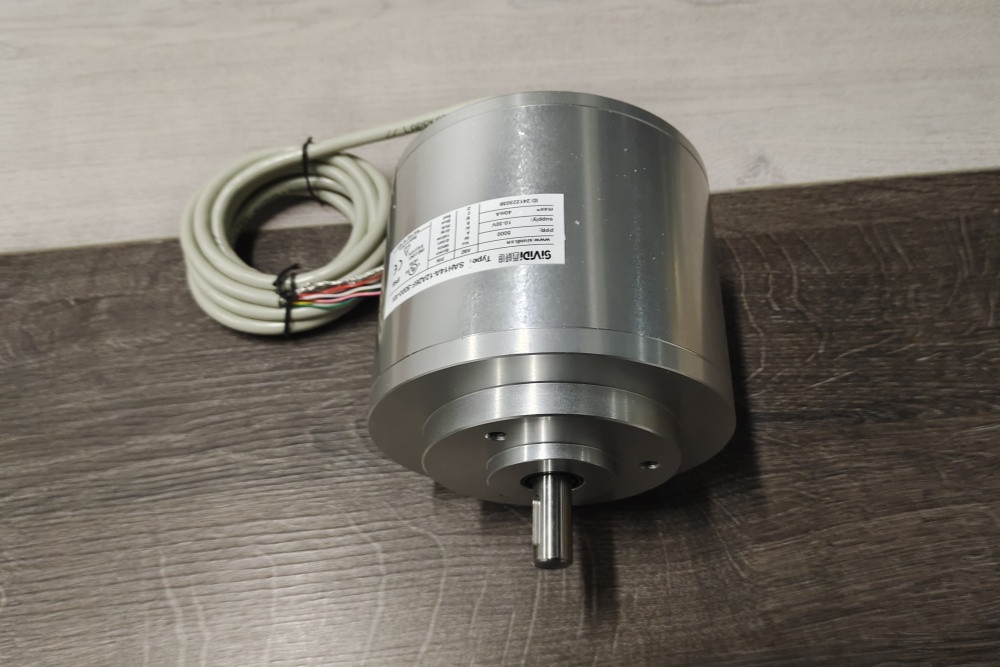
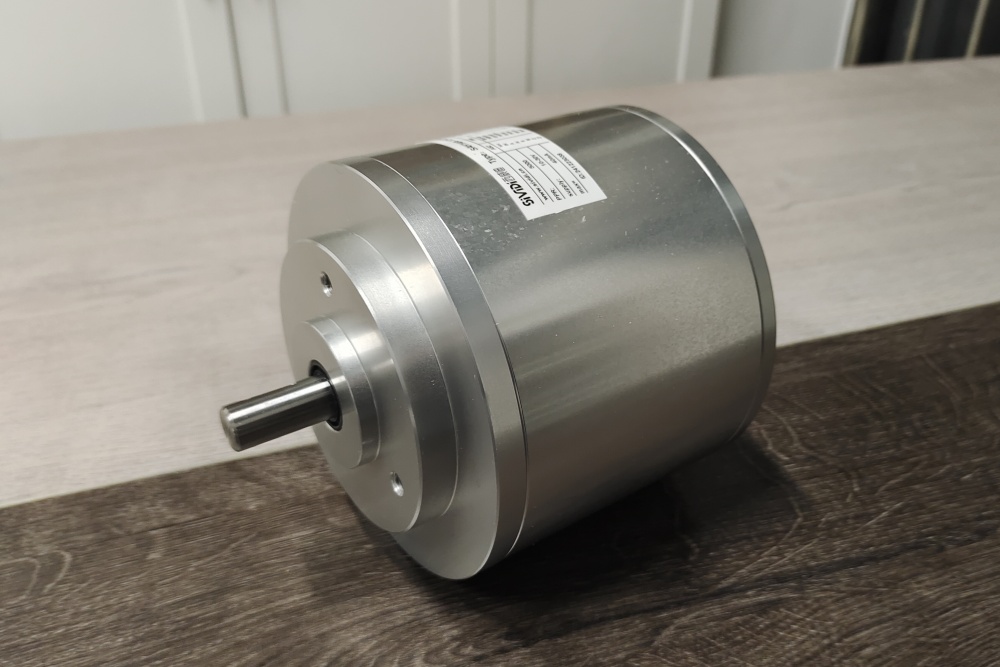
The first failure boundary is motion scaling. If the PLC or drive remains configured for 250, 360, 500, or another pulse count, the encoder can produce clean A/B signals while the calculated speed, length, or angular position is wrong. Quadrature evaluation and 0 reference-pulse use must also match the original machine.
This replacement fails when A/B/0 signals are stable, but the controller calculates the wrong motion value because 300 PPR scaling, quadrature mode, or reference-pulse logic does not match the original encoder. That is a configuration failure, not a sensing failure.
The second boundary is RS422 channel mapping. A/A-, B/B-, and 0/0- must be wired as differential pairs. A crossed inverted channel may allow basic counting, but it can reduce noise immunity, disturb direction validation, or make homing unreliable.
Mechanically, the Ø12 mm keyed shaft and clamping flange must be checked with the coupling, pulley, or measuring wheel. ATEX suitability, PE shield connection, cable routing, and axial/radial shaft-load limits remain part of the replacement decision.
The replacement decision should first confirm ATEX marking, Ø12 mm keyed shaft fit, clamping-flange centering, 300 PPR scaling, 10–30 V RS422 receiver compatibility, A/B/0 plus inverted channel mapping, 100 kHz output-frequency margin, shield grounding, cable route, and shaft load. EncoderWorks treats 14-1436X-300 as an industrial encoder custom compatible solution where RS422 mapping and exact 300 PPR scaling decide field reliability.
Typical production lead time: 15 working days.
Key Data
| Item | Data |
|---|---|
| Model | 14-1436X-300 |
| Encoder type | ATEX incremental rotary encoder |
| Detection type | Photoelectric sampling |
| Pulse count | 300 PPR |
| Output switching | 10–30 V RS422 |
| Signal output | A, B, 0 and inverted A, B, 0 |
| Supply voltage | 10–30 VDC |
| Output frequency | Max. 100 kHz |
| Shaft / flange | Ø12 mm keyed shaft, clamping flange |
| Connection | 9-core cable, 2 m |
| Protection class | IP66 |
| Main engineering anchor | RS422 scaling and keyed shaft |
| Main failure boundary | Wrong scaling, receiver mismatch, inverted-pair error, shaft overload |