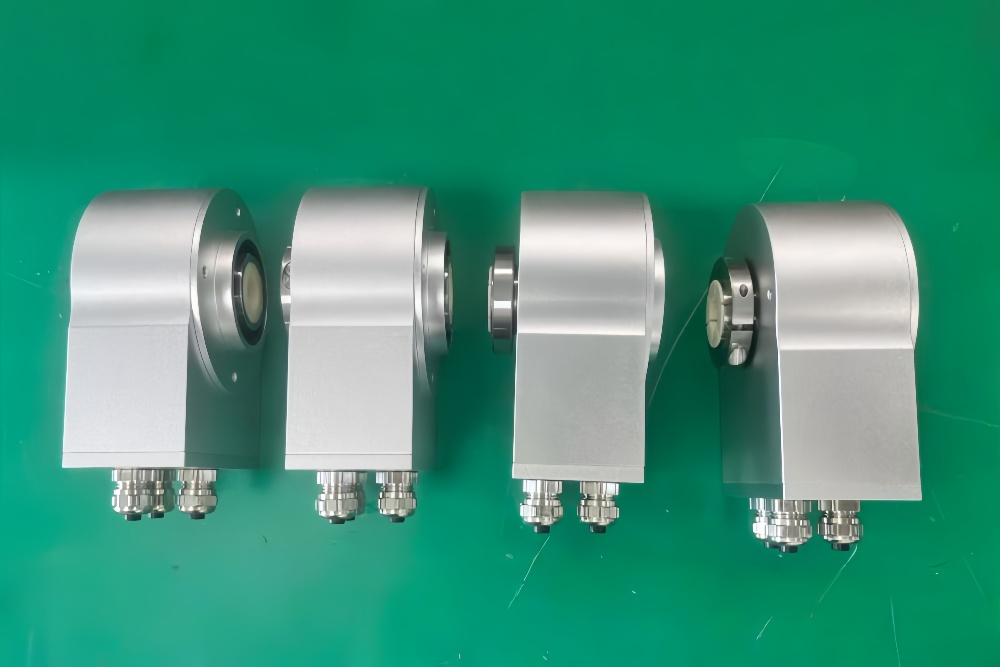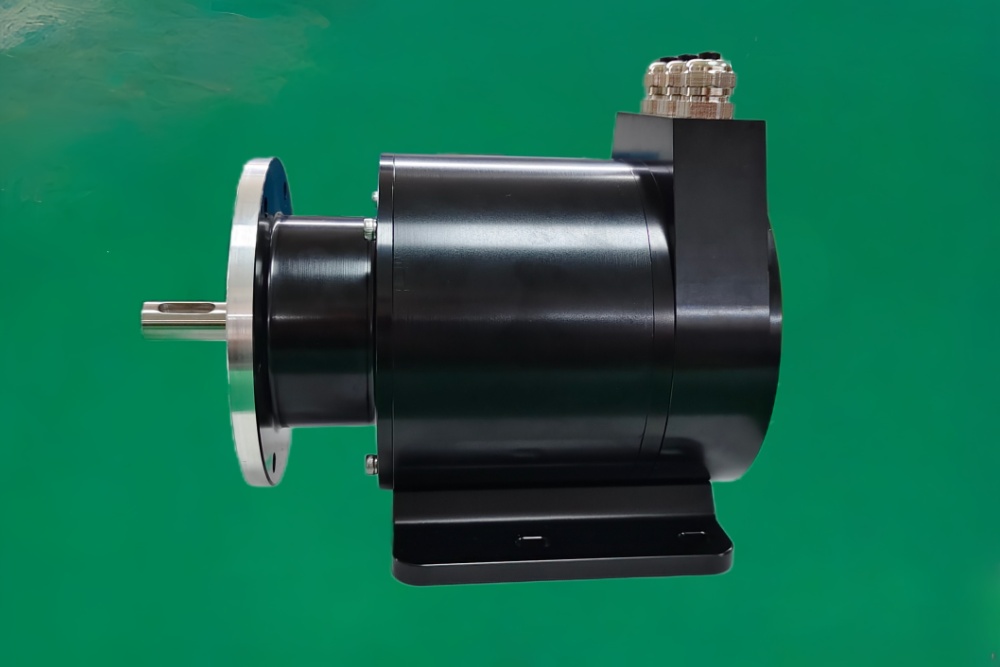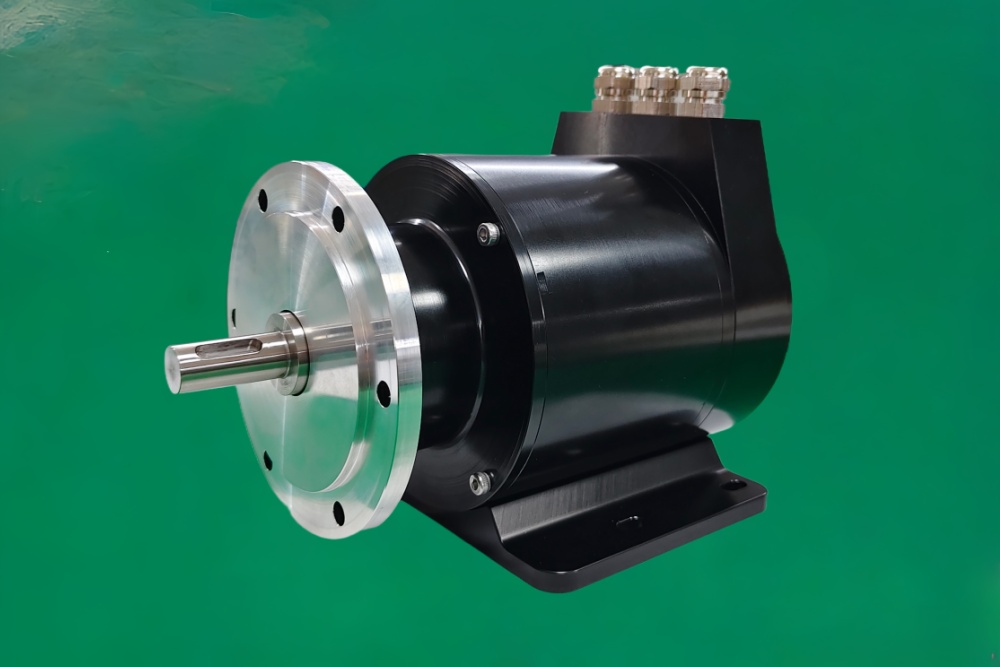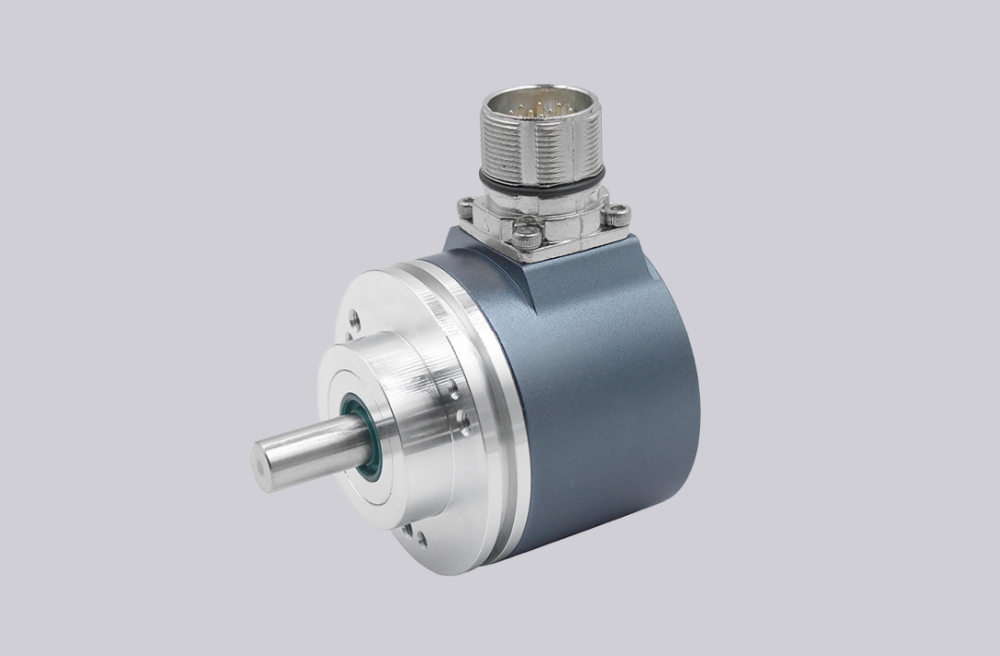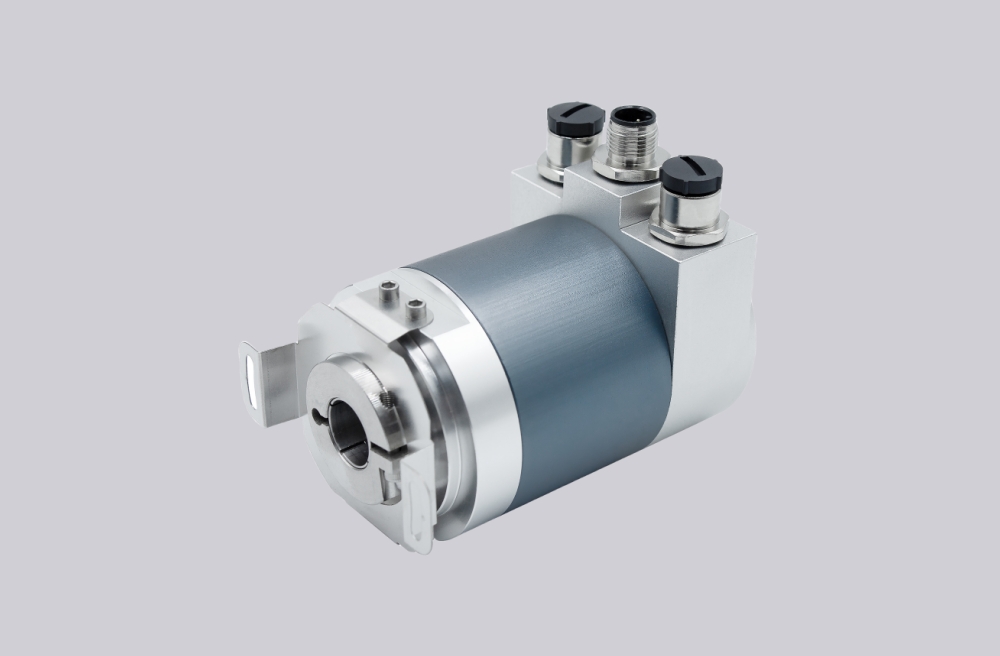




XHI 893 1347503-01 is a heavy-duty incremental encoder designed for demanding industrial applications. For equipment that is still using this model, we can develop a customized product based on the original mechanical installation and signal requirements for maintenance and spare-part replacement.
The key specifications of this model are 1024 PPR, a 16 mm blind hollow shaft, and a radial cable outlet with a 1.5 m cable. For a heavy-duty encoder of this type, replacement selection should not be based on pulse count alone. The bore size, mounting arrangement, and cable outlet direction are equally important.
The mechanical configuration of XHI 893 1347503-01 is centered on its 16 mm blind hollow shaft. The customized product is developed to match the existing shaft-end dimensions and installation conditions while retaining the required 1024 PPR incremental feedback.
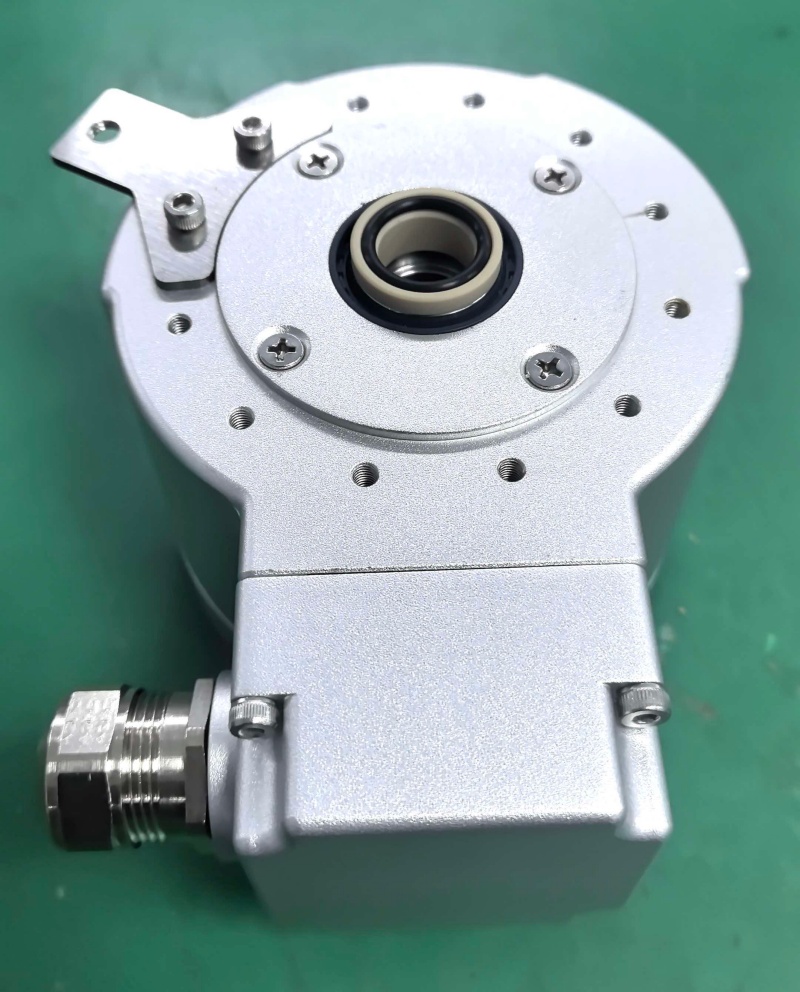
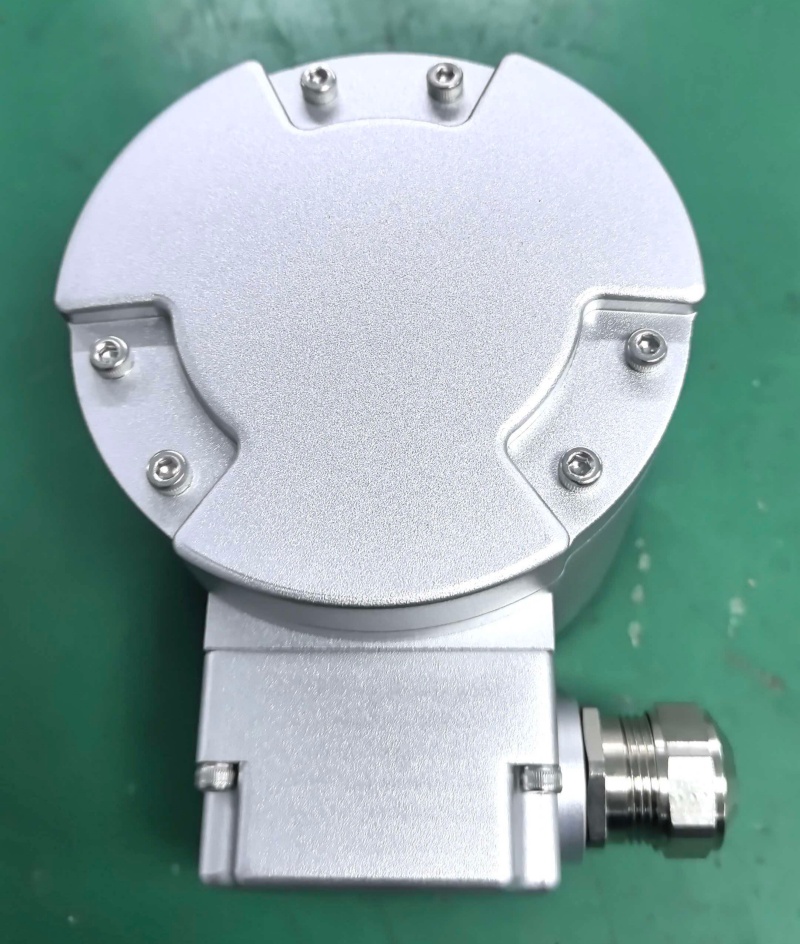
The original model uses a 1.5 m cable with a radial side outlet, so the customized version also takes the existing cable routing and available installation space into account. For machines with fixed cable paths, changing the outlet direction can make installation and maintenance more difficult.
There is also a small difference in the supply voltage range. The original encoder operates from 9–30 VDC, while the customized replacement uses 10–30 VDC. For a typical 24 VDC system, both ranges are generally suitable, but the actual machine supply should still be confirmed before replacement.
Another important point is that the wiring definition of the customized product differs from the original encoder. The mechanical installation and main feedback parameters do not need to be changed, but the replacement must be wired according to the new wiring definition we provide. Once the new terminal or wire assignment is followed, the customized encoder can be used normally.
For XHI 893 1347503-01, the main replacement requirements are 1024 PPR, a 16 mm blind hollow shaft, a radial 1.5 m cable, the 9–30 VDC to 10–30 VDC supply difference, and correct wiring according to the new pinout definition. This allows the customized product to retain the original mechanical and feedback requirements while supporting ongoing equipment maintenance and spare-part replacement.