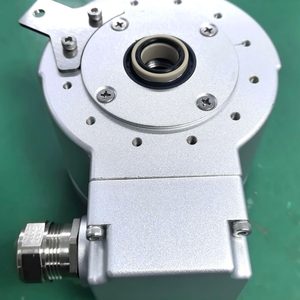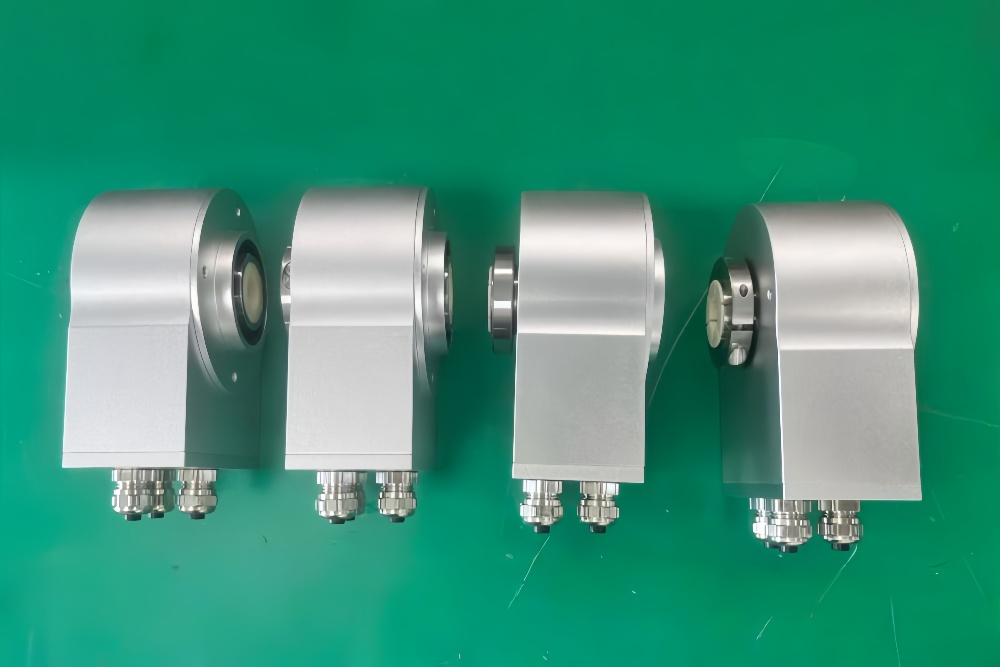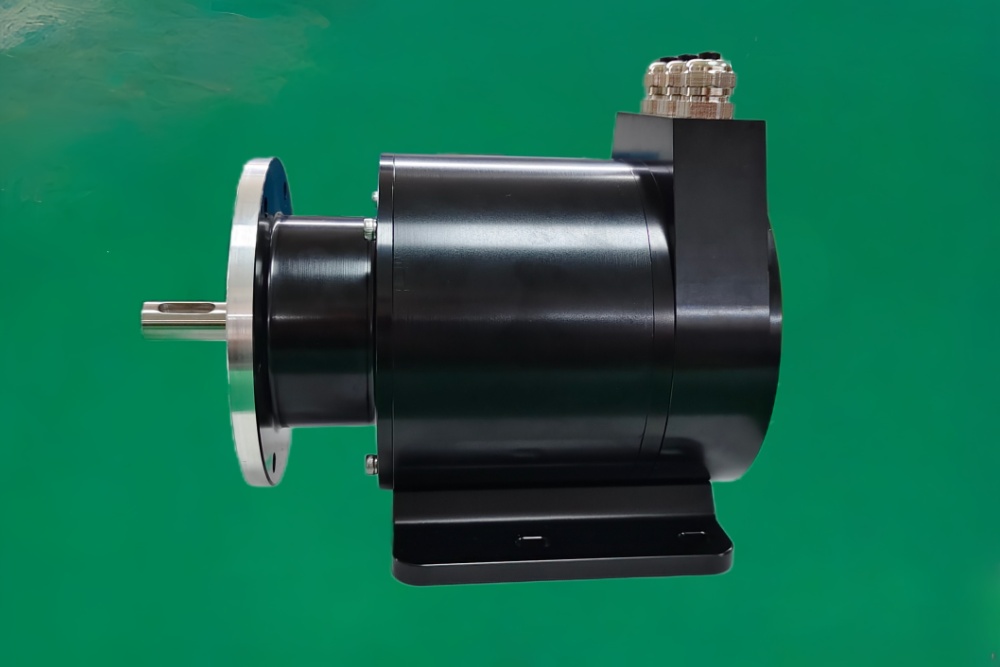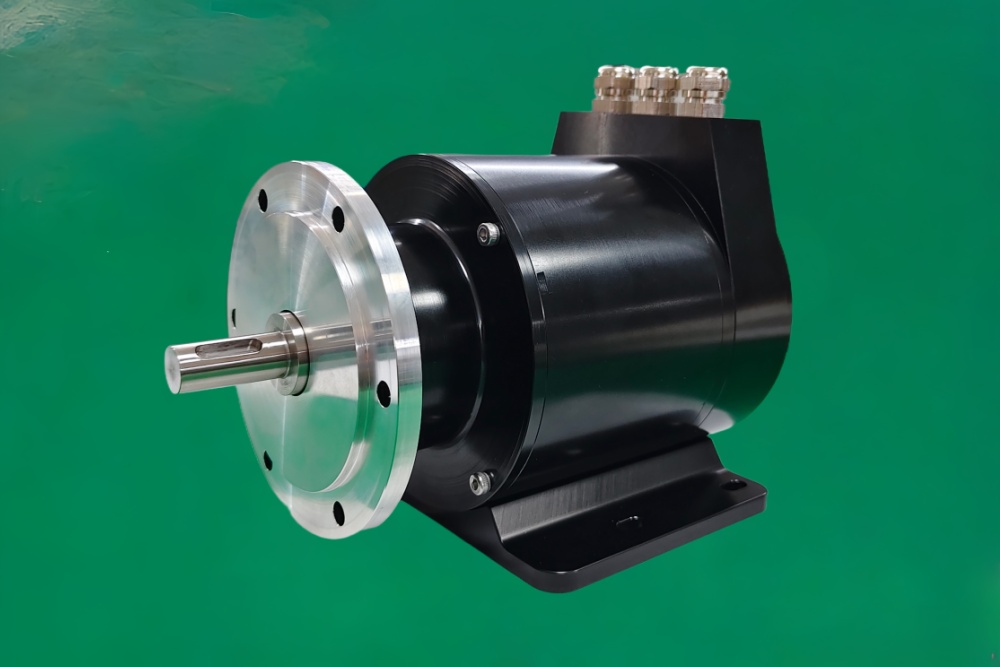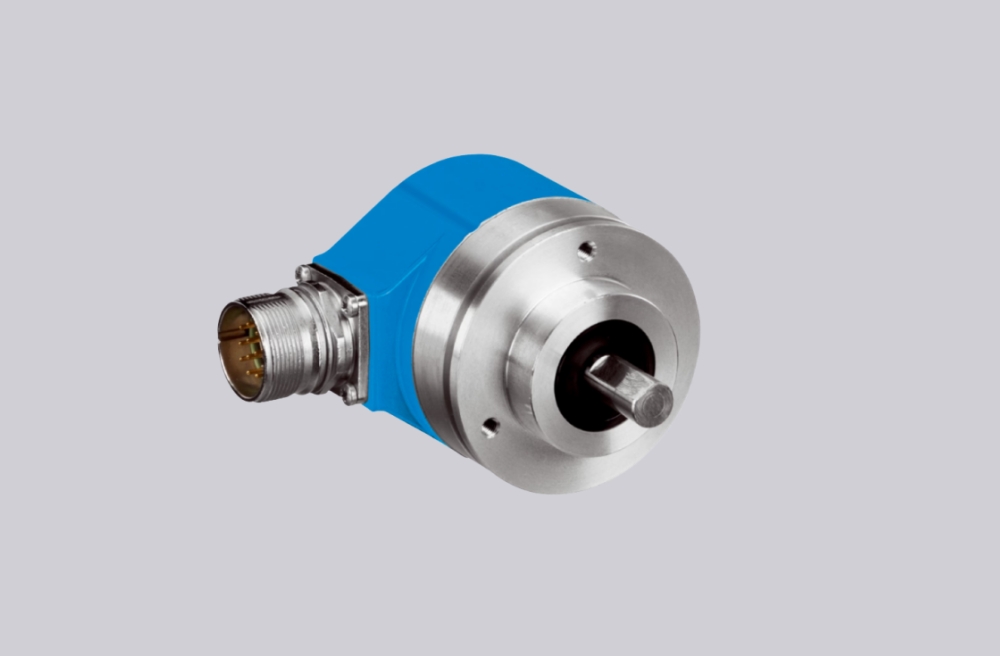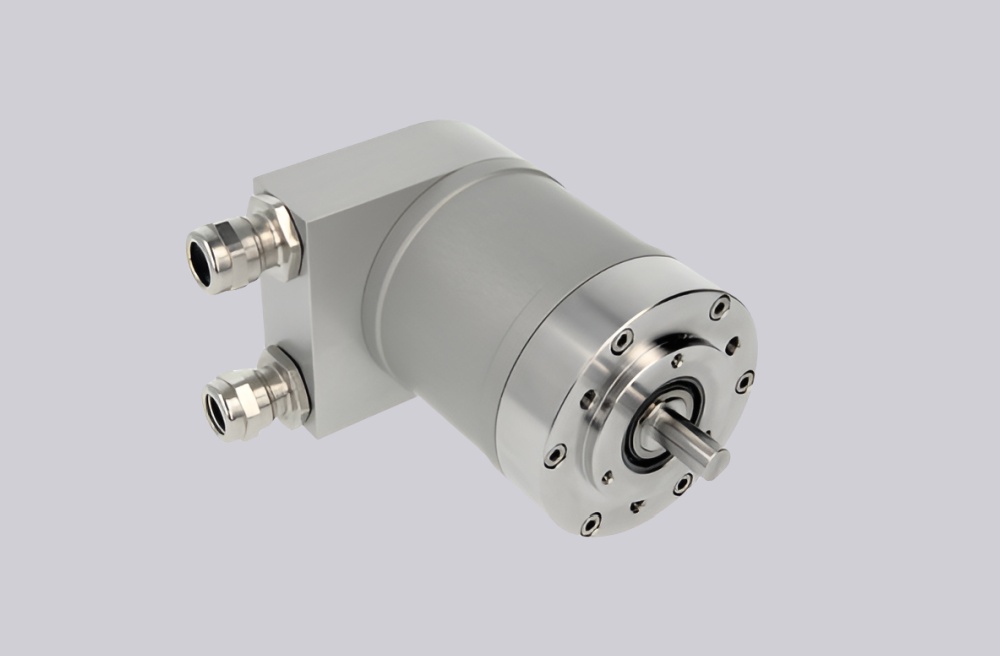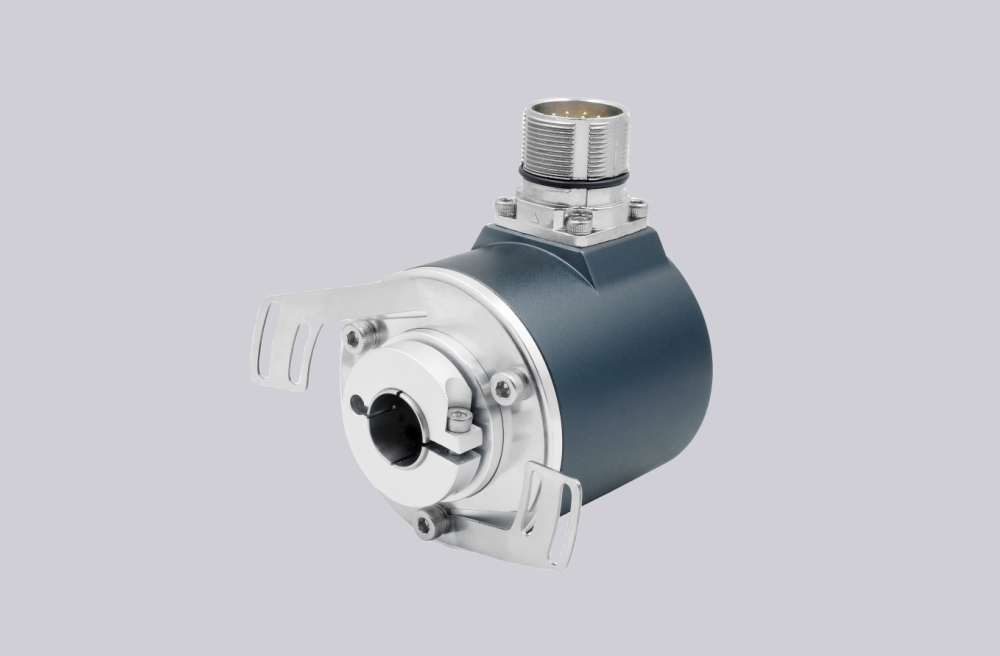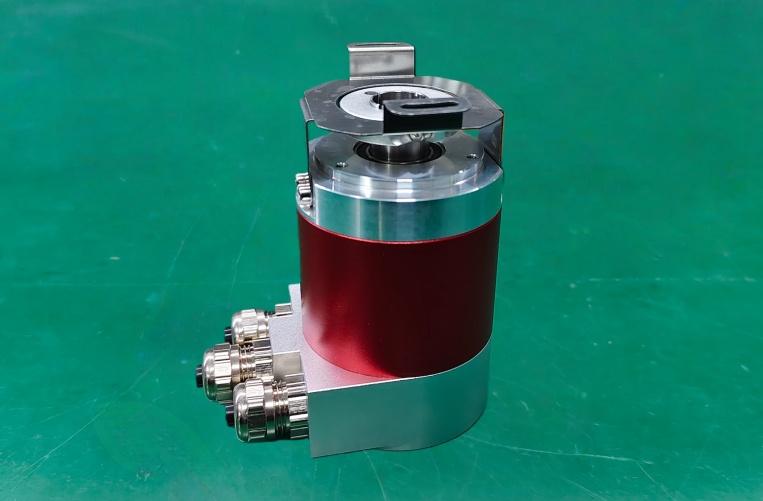




Replacing OCD-EEC1B-0016-B12A-PSM is mainly an EtherNet/IP commissioning and blind-hollow mounting task: the compatible solution must preserve CIP device behavior, DLR network continuity, 16-bit singleturn scaling, IP-address handling, ø12 mm shaft fit, and three-M12 port wiring. EncoderWorks can configure a custom compatible replacement for this model when the PLC project and mechanical installation must remain unchanged. Typical production lead time: 15 working days.
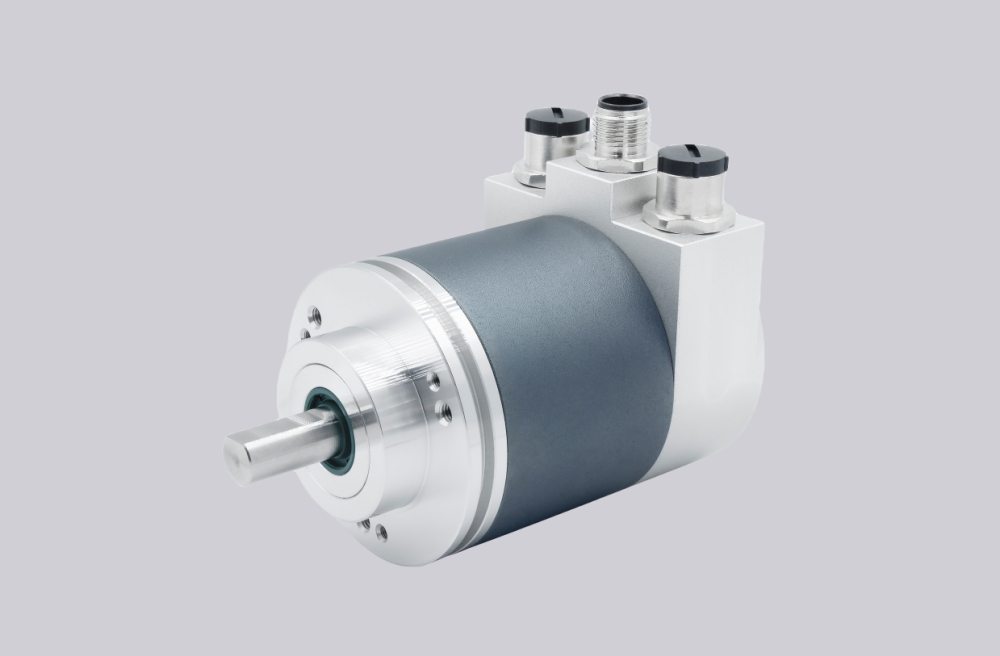
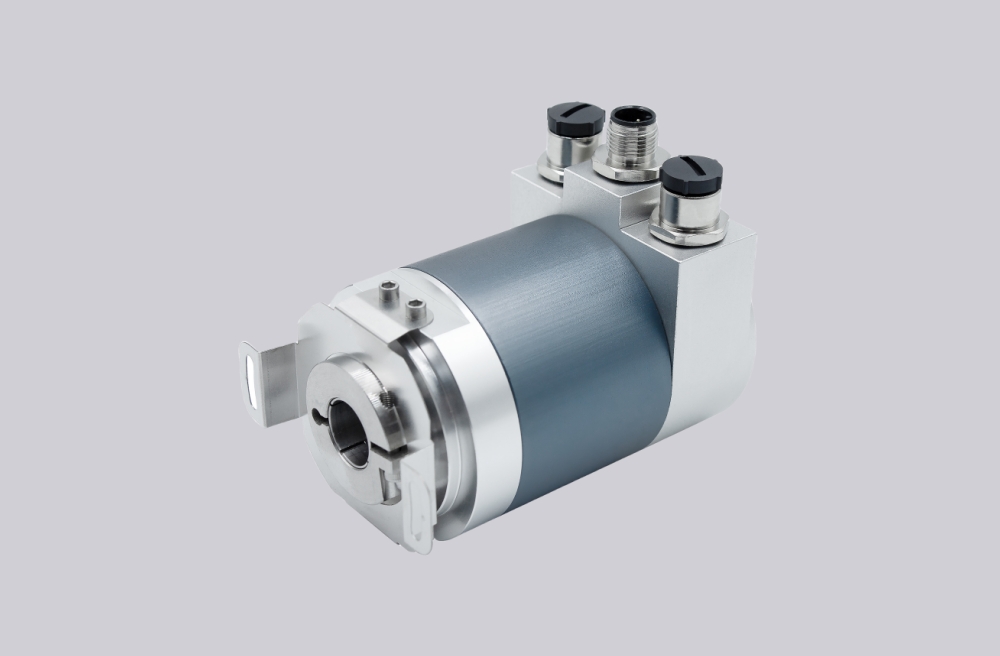
This configuration is used where an absolute singleturn encoder provides binary position data through EtherNet/IP rather than through parallel bits, SSI clock/data, or Profibus telegrams. The encoder combines 16-bit singleturn resolution, optical sensing, CIP communication, DLR support, velocity, acceleration and temperature values, a ø58 mm blind-hollow flange, a ø12 mm blind-hollow shaft, and radial 3×M12 connection with rotary switches. Replacement work should focus on IP address, device identity, assembly data, scaling, preset, counting direction, DLR ring behavior, shield grounding, and hollow-shaft clamping.
System Limits
The first system limit is EtherNet/IP commissioning. The controller must preserve the expected IP address, device identity, CIP profile behavior, assembly data, scaling parameters, time base, velocity filter, preset value, and counting direction. If the encoder appears online but the data layout or scaling differs, the PLC can receive stable network data while converting it into the wrong machine position.
The second limit is network wiring and DLR behavior. This model uses two D-coded Ethernet connectors and one A-coded power connector. Wrong Tx/Rx pair mapping, poor shield continuity, power-ground mismatch, or broken DLR ring behavior can create intermittent diagnostics instead of a simple no-communication fault.
The mechanical limit is the ø12 mm blind-hollow shaft and IP54 housing installation. Shaft insertion depth, clamp force, static and dynamic misalignment, and cable exit clearance must be controlled. A forced fit or housing movement can create repeatability drift even when the EtherNet/IP data remains valid.
Wiring & Installation
Before replacement, record the EtherNet/IP IP address, EDS or project configuration, assembly format, scaling, preset value, counting direction, velocity settings, and diagnostic behavior from the PLC project. Also record the three M12 assignments: Ethernet port 1, power connector, and Ethernet port 3.
During installation, confirm the ø12 mm blind-hollow shaft fit without forcing the clamp. Route Ethernet and power cables away from inverter output wiring, maintain shield continuity through the M12 connectors, and avoid ground loops between the encoder housing, machine frame, and cabinet earth. After startup, verify network recognition, DLR status, actual position value, direction, preset response, diagnostic bits, and repeatability over several machine cycles.
Custom Compatible Solution
EncoderWorks can configure the replacement around the installed EtherNet/IP and mechanical system:
- Match EtherNet/IP CIP communication, IP addressing, DLR behavior, assembly data, diagnostics, scaling, preset, and counting direction
- Preserve 16-bit singleturn binary absolute position behavior with velocity, acceleration, and temperature data handling
- Adapt the ø58 mm blind-hollow flange, ø12 mm blind-hollow shaft, radial 3×M12 connection layout, and rotary-switch access
- Review Tx/Rx pair mapping, shield grounding, cable routing, hollow-shaft clamping, misalignment, and IP54 housing limits
Key Data
| Item | Data |
|---|---|
| Model | OCD-EEC1B-0016-B12A-PSM |
| Encoder type | Absolute singleturn encoder |
| Interface | EtherNet/IP |
| Profile | CIP, with DLR support |
| Resolution | 16-bit singleturn |
| Code | Binary |
| Supply voltage | 10–30 VDC |
| Output driver | Ethernet |
| Flange | Blind Hollow, ø58 mm |
| Shaft | ø12 mm blind hollow shaft, depth 30 mm |
| Connection | Radial, 3×M12 with rotary switches |
| Protection | Shaft IP65, housing IP54 |
| Operating temperature | -40°C to +85°C |
| Approval | CE |