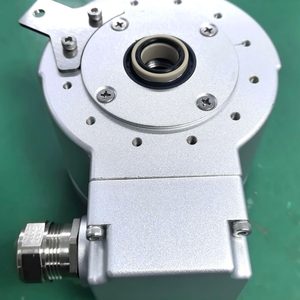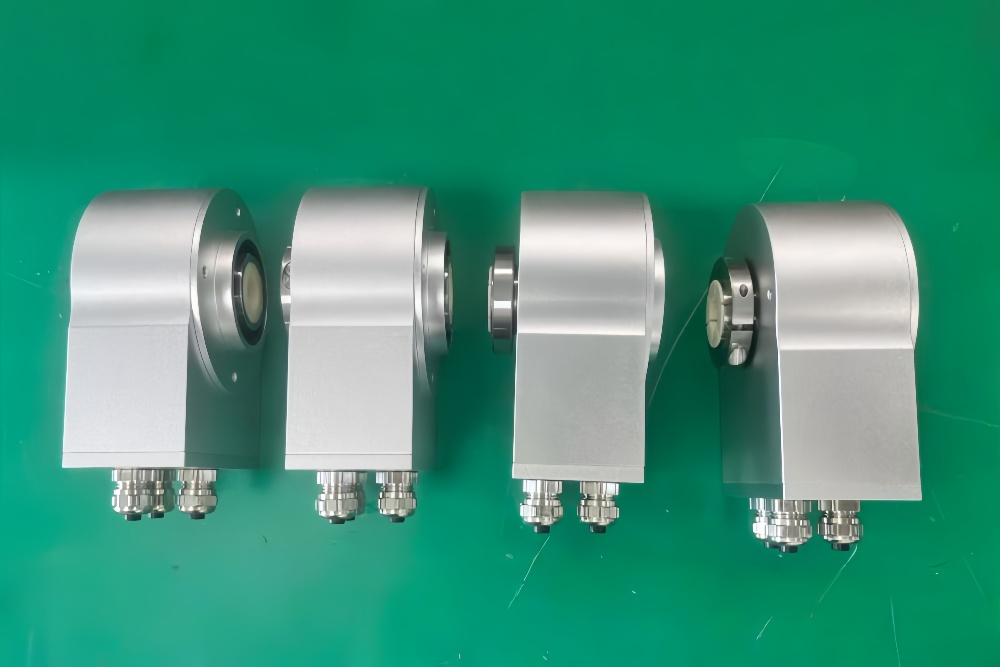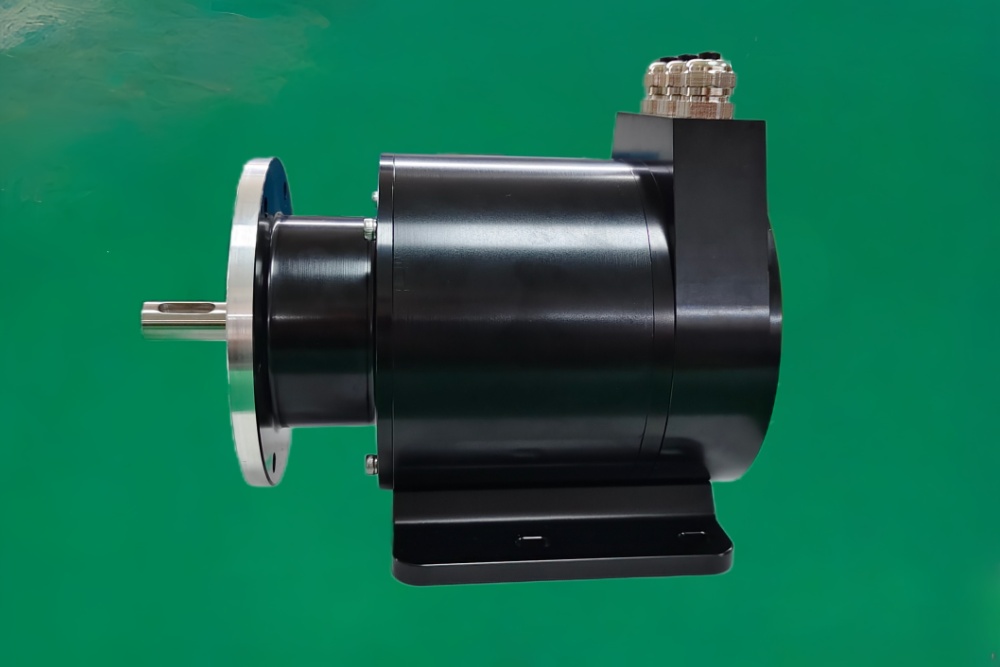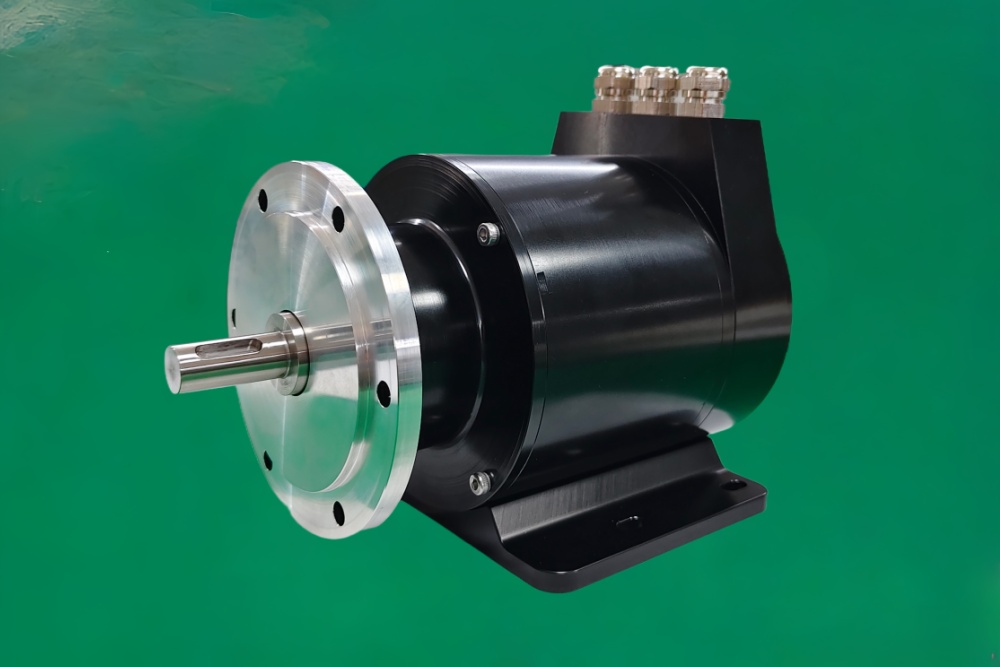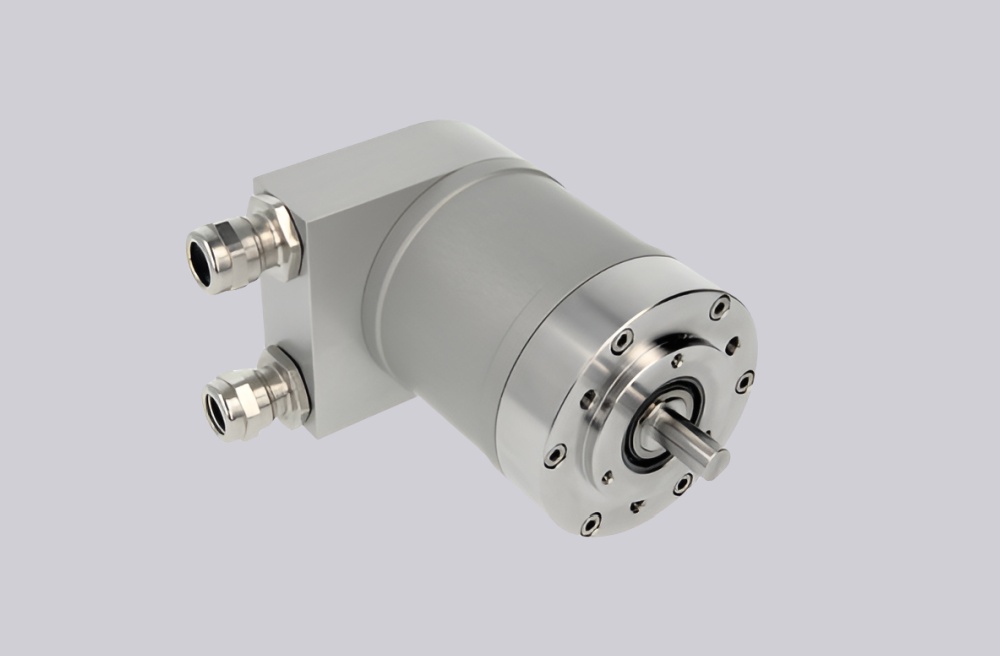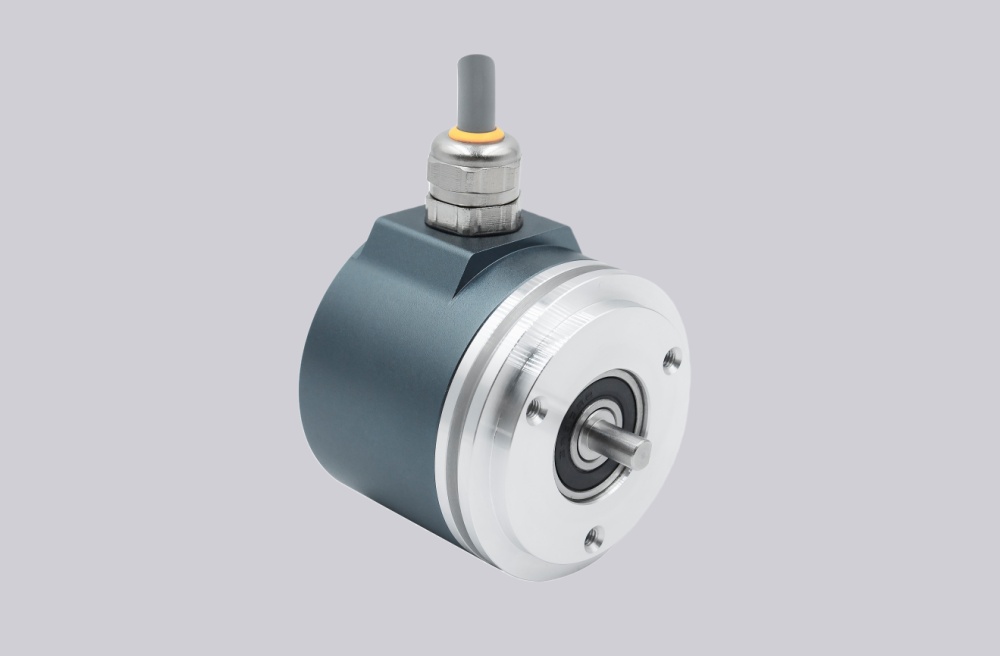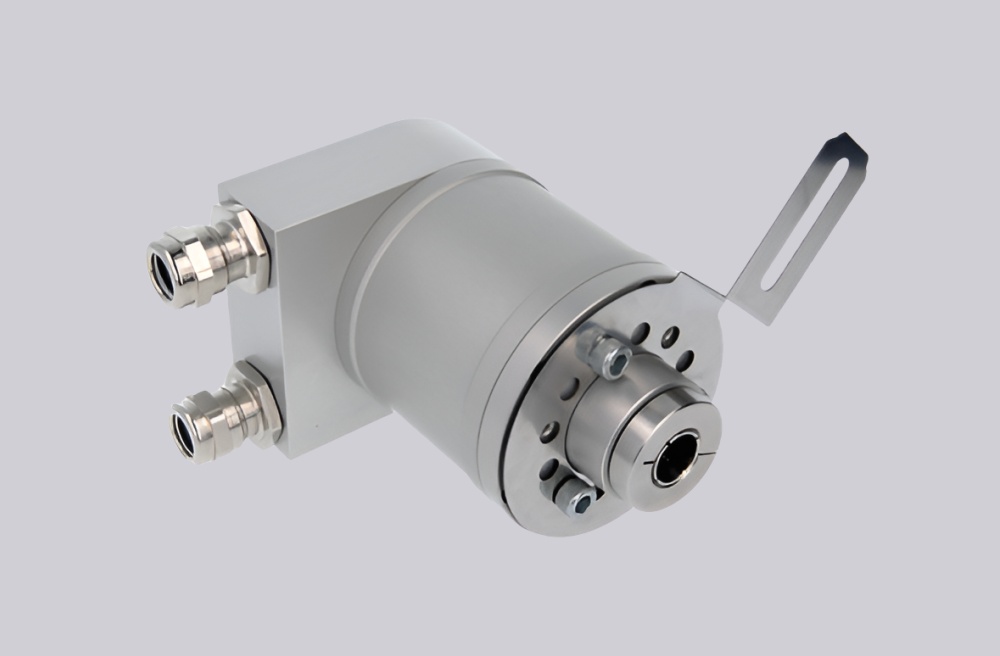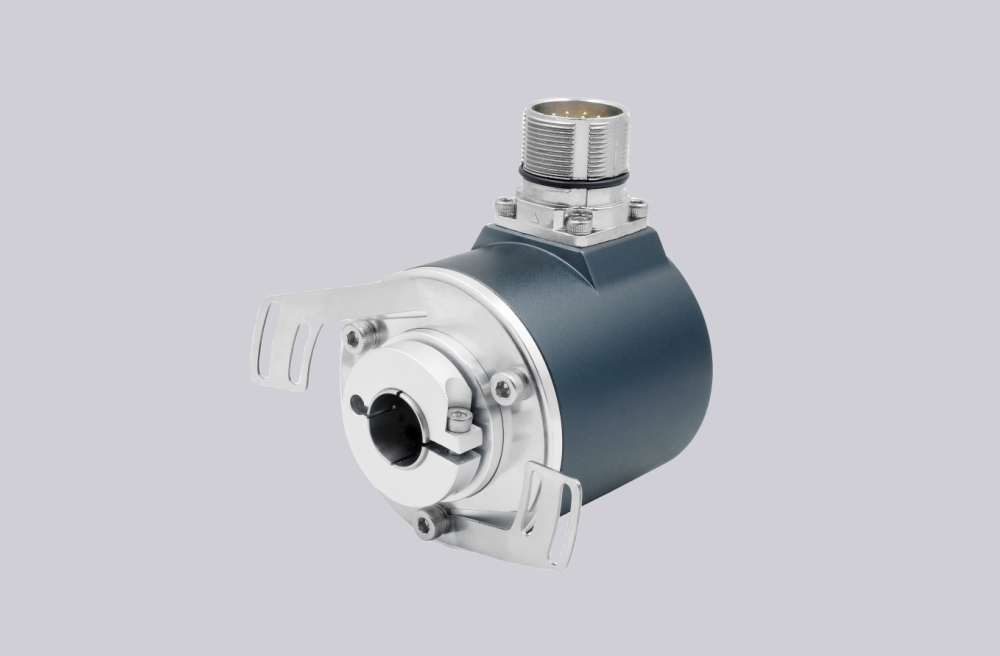




EncoderWorks provides a custom compatible replacement solution for 14-1436X-900 focused on maintaining 10–30 V RS422 receiver compatibility, 900 PPR incremental feedback behavior, and stable differential signal performance in heavy-duty industrial environments. The replacement challenge is not only reproducing the pulse output, but also preserving RS422 signal characteristics, A/B/0 differential channel relationships, and controller-side counting reliability. As pulse density increases, signal margin, receiver response, and cable conditions become important factors affecting feedback stability.
System Limits
The main replacement boundary for 14-1436X-900 is maintaining 10–30 V RS422 differential signal performance between the encoder and the controller. This configuration uses 900 PPR incremental output with A/B/0 channels and complementary signals. The replacement must match differential voltage characteristics, receiver input requirements, quadrature phase sequence, reference pulse behavior, and controller counting parameters because incorrect signal mapping, filtering, or scaling can result in missed counts, direction errors, or position calculation deviation.
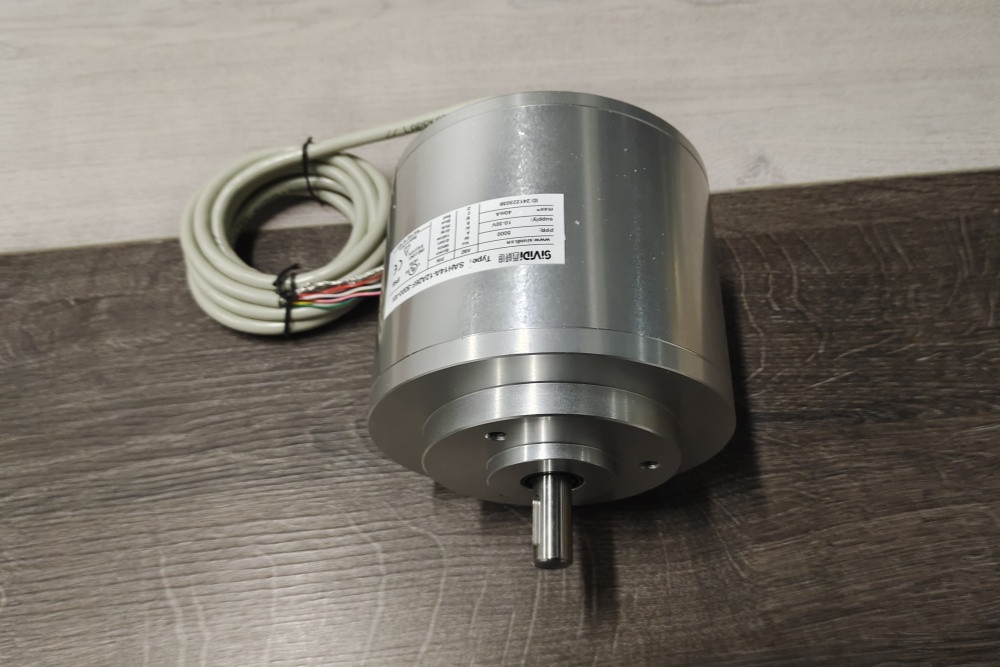
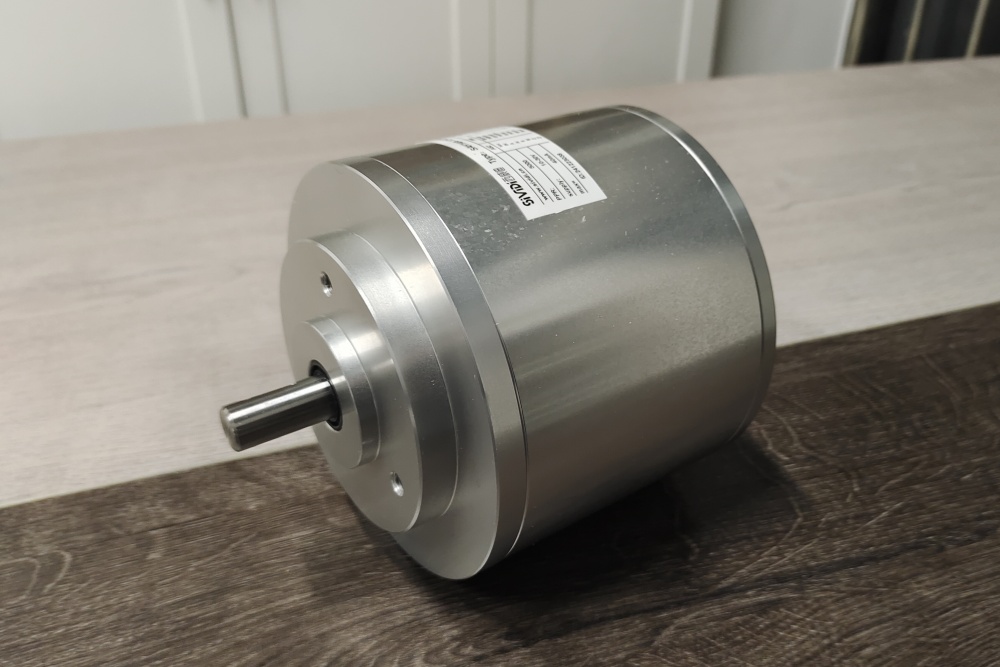
The mechanical integration boundary includes shaft coupling, flange mounting, and industrial environment stability. The 14-1436X-900 uses the heavy-duty series structure with a feather key groove shaft, centering flange design, and reinforced housing for applications with high mechanical demand. Shaft alignment, coupling fixation, vibration resistance, cable routing, shielding, and grounding continuity should be maintained because mechanical stress or electrical interference can affect long-term feedback reliability.
Wiring & Installation
The RS422 interface requires verification of A, A̅, B, B̅, 0, 0̅ differential signal pairs, supply voltage, and protective earth/shield connection. Differential transmission improves noise immunity in industrial systems, but unsuitable receiver input conditions, incorrect signal pairing, poor shielding, or improper grounding may still cause unstable counting or intermittent feedback loss.
During replacement installation, the shaft connection, flange centering, and cable routing should be checked against the existing machine structure. The encoder is designed for demanding industrial applications, so mounting stability, vibration conditions, shaft loading, and electrical installation quality should be evaluated together to maintain reliable incremental feedback performance.
Custom Compatible Solution
- Match 10–30 V RS422 differential output and controller-side receiver requirements.
- Preserve 900 PPR A/B/0 quadrature feedback and reference pulse behavior.
- Adapt heavy-duty shaft, flange, and industrial installation requirements.
- Validate differential signal mapping, receiver compatibility, shielding, and grounding conditions.
Typical production lead time: 15 working days.
Key Data
| Parameter | Specification |
|---|---|
| Model | 14-1436X-900 |
| Encoder Type | Incremental Rotary Encoder |
| Output Interface | 10–30 V RS422 |
| Resolution | 900 PPR |
| Signal Output | A / B / 0 and complementary signals |
| Supply Voltage | 10–30 VDC |
| Connection | 9-core Cable |
| Output Frequency | Max. 100 kHz |
| Shaft / Flange | Heavy-duty keyed shaft with clamping flange |
| Protection | IP66 |
| Main Replacement Focus | RS422 signal margin, 900 PPR scaling, and mechanical adaptation |