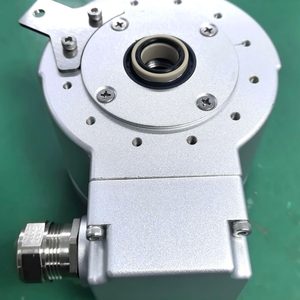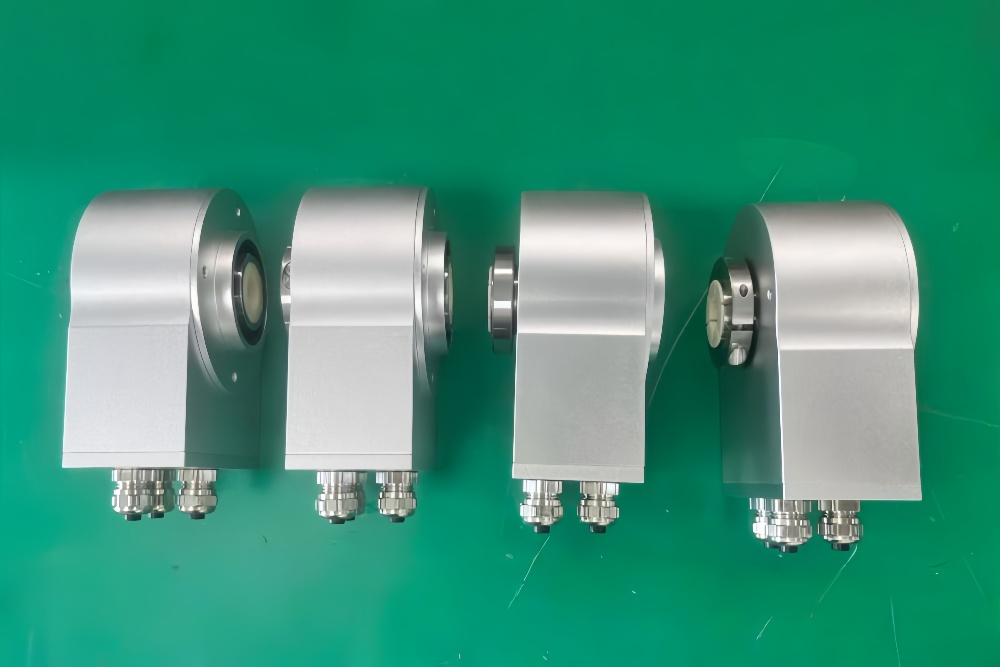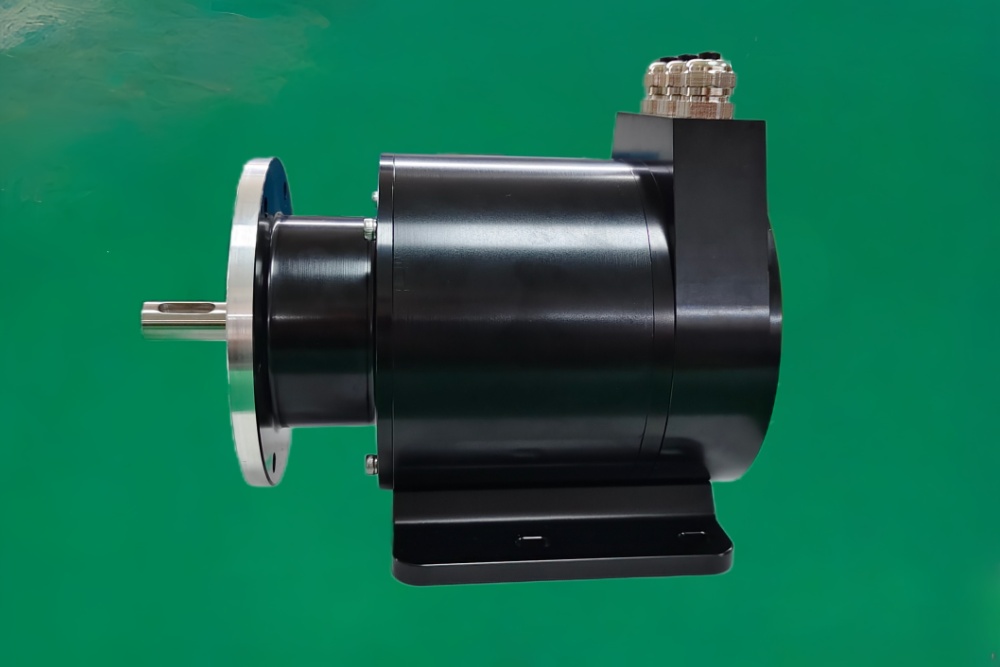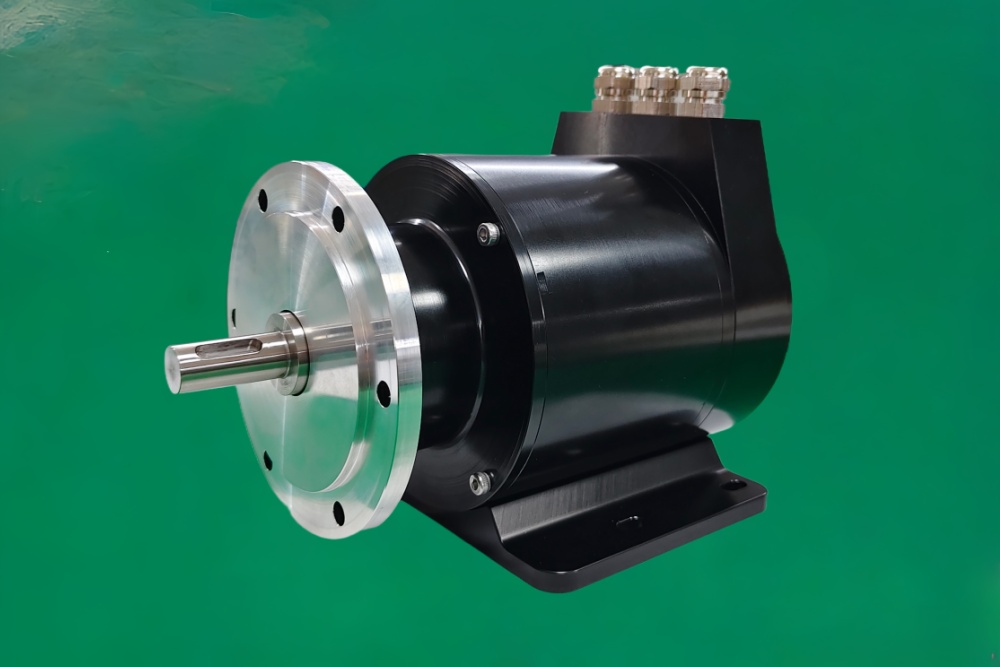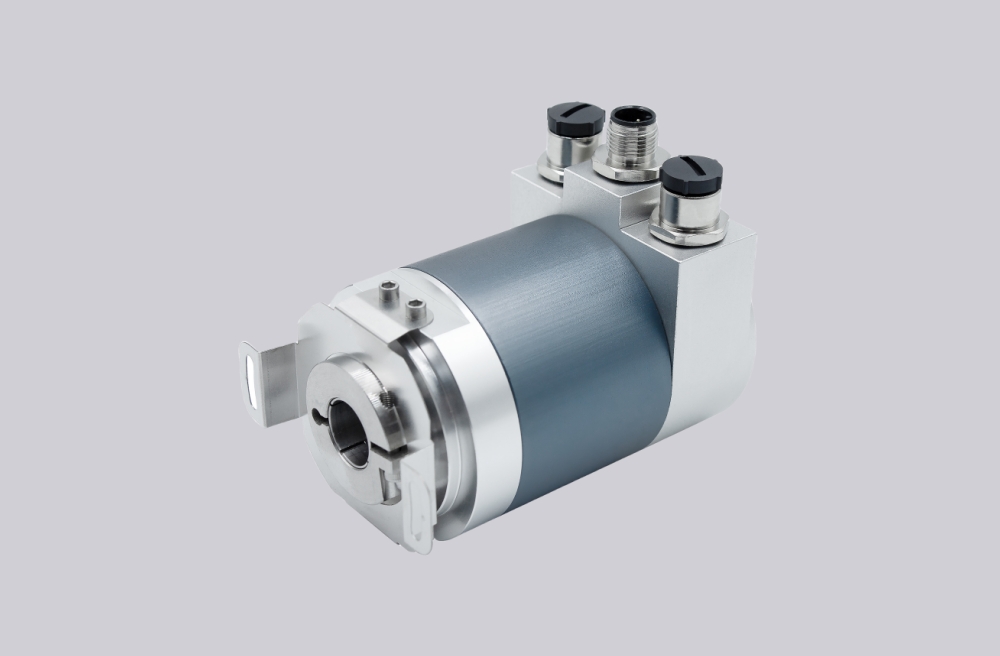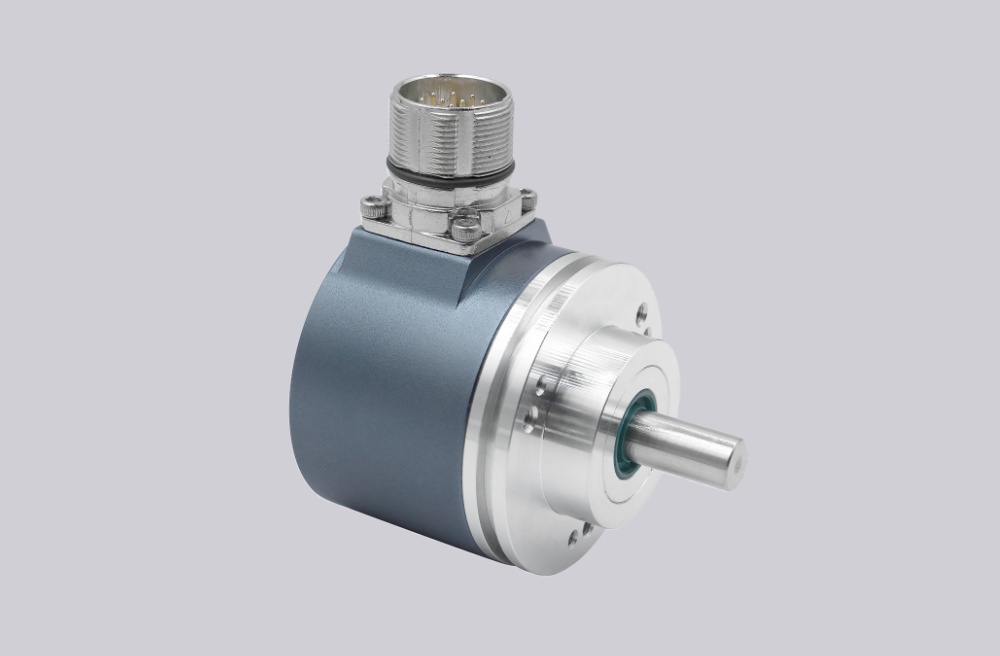




A custom compatible replacement for FGHJ2AK-1024G-90G-NG/12K can be supplied by EncoderWorks with the replacement decision focused on 12K cylindrical bore fit, shield grounding, and NG reference reliability. This model is not a high-risk part because of 1024 PPR alone. The field risk usually appears when a small hollow-shaft bore, terminal-strip wiring, and inverter-side noise are treated as secondary installation details instead of the main replacement boundary.
The FGHJ2AK-1024G-90G-NG/12K is an incremental hollow-shaft encoder with 1024 pulses per revolution, G inverted signals, 90° quadrature, NG reference pulse with inverted signal, AK terminal-strip connection, and a 12K cylindrical hollow-shaft bore. The FG 2 / FGHJ 2 series is intended for standard drives in heavy industry, and the catalog defines FGHJ 2 as the hollow-shaft version with insulated bearings for protection against shaft currents. Its standard electrical platform includes 12–30 VDC supply, HTL output approximately at supply voltage, and 200 kHz maximum frequency.
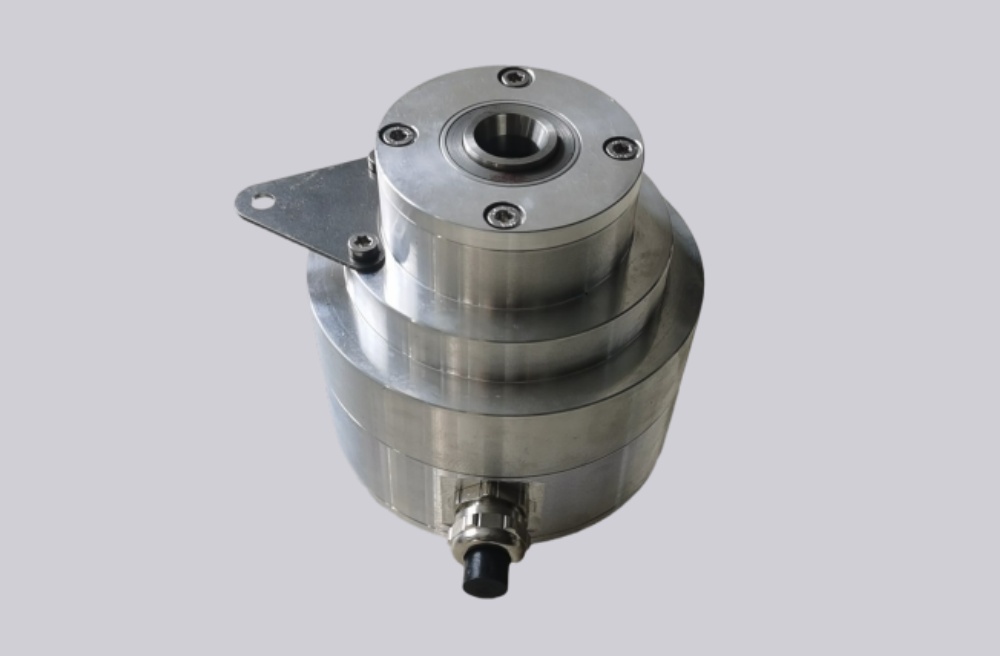
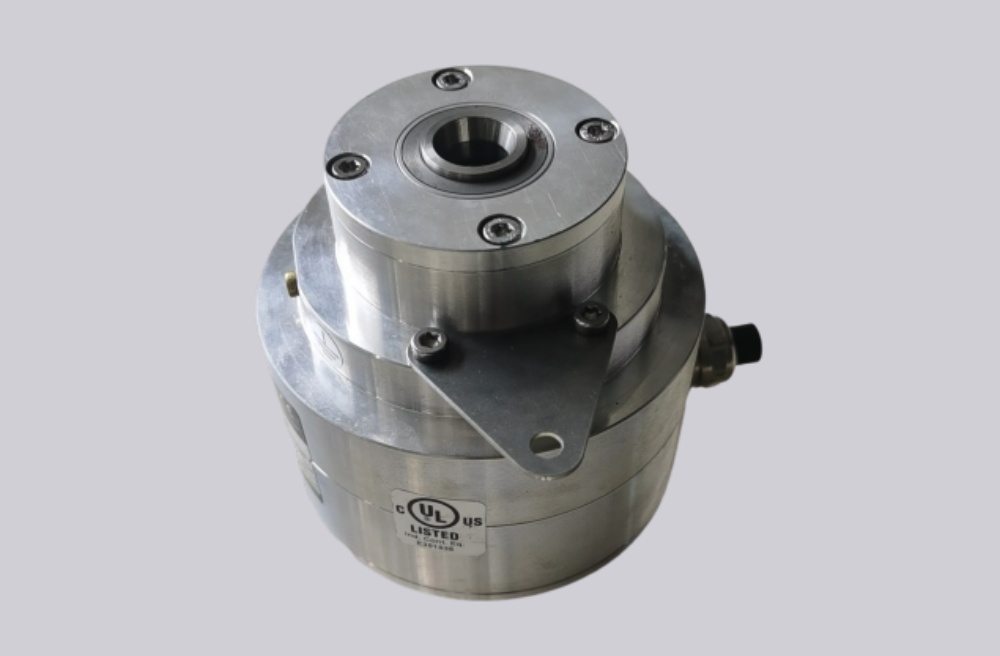
The first failure boundary is the 12K shaft fit. A smaller cylindrical bore gives less tolerance for burrs, shaft damage, paint, corrosion, or slight eccentricity. If the encoder is forced onto the shaft or aligned by tightening the torque bracket, the hollow-shaft bearing system may carry load that should have been removed during preparation. The bore must fit cleanly before the torque bracket is secured.
This replacement fails when the 12K bore slides on only after force is applied, or when the torque bracket is used to correct shaft position. The encoder may output normal pulses during commissioning, but bearing stress, vibration, or unstable edge timing can appear after the machine reaches operating temperature.
The second boundary is shield grounding. The AK terminal strip gives direct wiring access, but it also exposes workmanship problems. The 0° channel, 90° channel, NG pulse, inverted signals, supply, 0 V, and shield must be assigned by signal name. A cable that worked on the old unit is not automatically safe if the shield drain, pair twisting, or cabinet grounding has changed during replacement. In a VFD environment, shield current can narrow the real HTL input margin before the signal disappears completely.
The NG reference pulse should be verified as part of the control sequence. Many machines use NG only for homing, restart validation, or counter reset, so a wrong NG terminal may not appear during a short speed test. NG and inverted NG should be checked together with A/B direction at low speed before enabling closed-loop operation.
The 1024 PPR signal normally gives reasonable frequency headroom, but the counter still depends on clean HTL transitions. Long cable routing, weak grounding, or excessive input filtering can cause missed counts even when the encoder output itself is healthy. The replacement should therefore be checked at the receiving device, not only at the encoder terminal box.
The replacement decision should first confirm 12K cylindrical shaft fit, torque-bracket freedom, insulated-bearing continuity, shield bonding, NG assignment, and A/B phase order. EncoderWorks treats FGHJ2AK-1024G-90G-NG/12K as an industrial encoder custom compatible solution where the safest result comes from controlling the small-bore mechanical interface and the grounding path together.
Typical production lead time: 15 working days.
Key Data
| Item | Data |
|---|---|
| Model | FGHJ2AK-1024G-90G-NG/12K |
| Encoder type | Incremental hollow-shaft encoder |
| Series | FGHJ 2 |
| Bearing execution | Insulated hollow-shaft bearing design |
| Pulse rate | 1024 PPR |
| Signal format | G output with 90° quadrature |
| Reference pulse | NG, with inverted signal |
| Output type | HTL, approx. as supply voltage |
| Supply voltage | 12–30 VDC |
| Max frequency | 200 kHz |
| Connection | AK terminal strip |
| Hollow shaft | 12K cylindrical bore |
| Main engineering anchor | Cylindrical bore fit and shield grounding |
| Main failure boundary | Forced shaft fit, bracket preload, weak shield bonding |