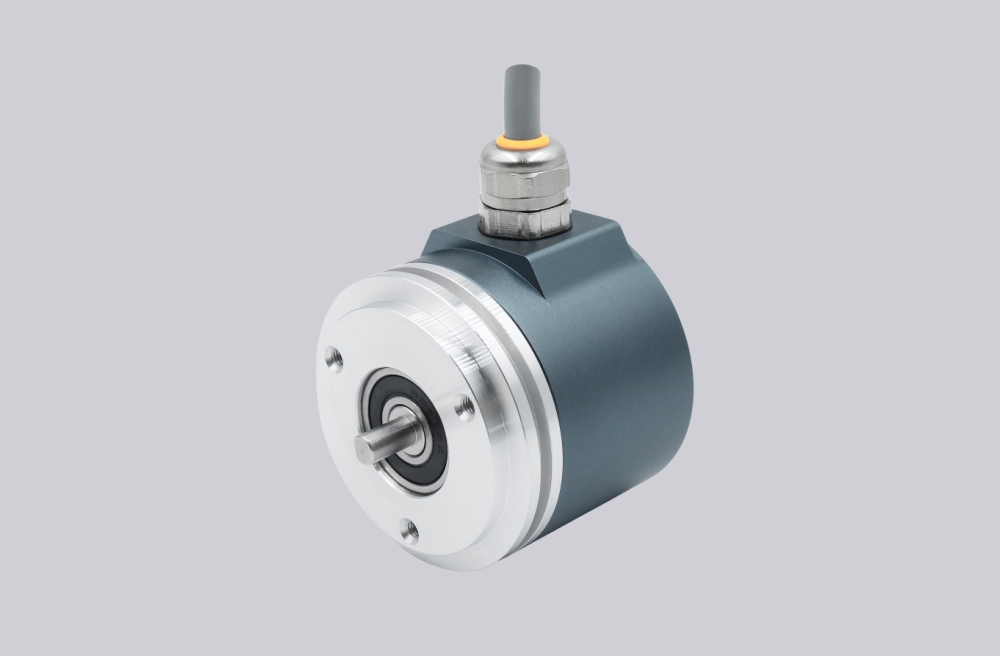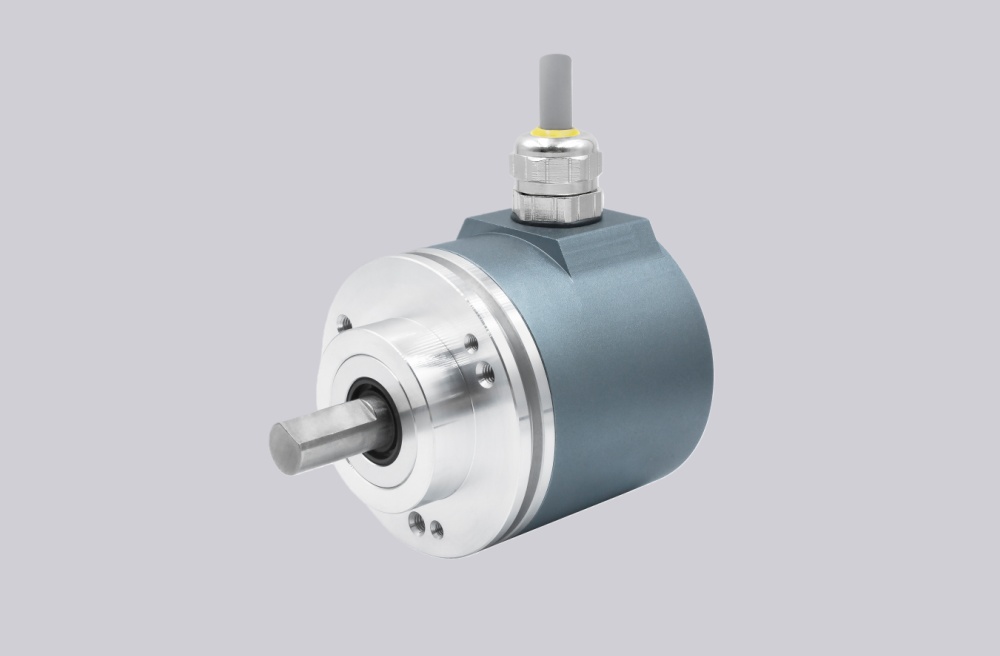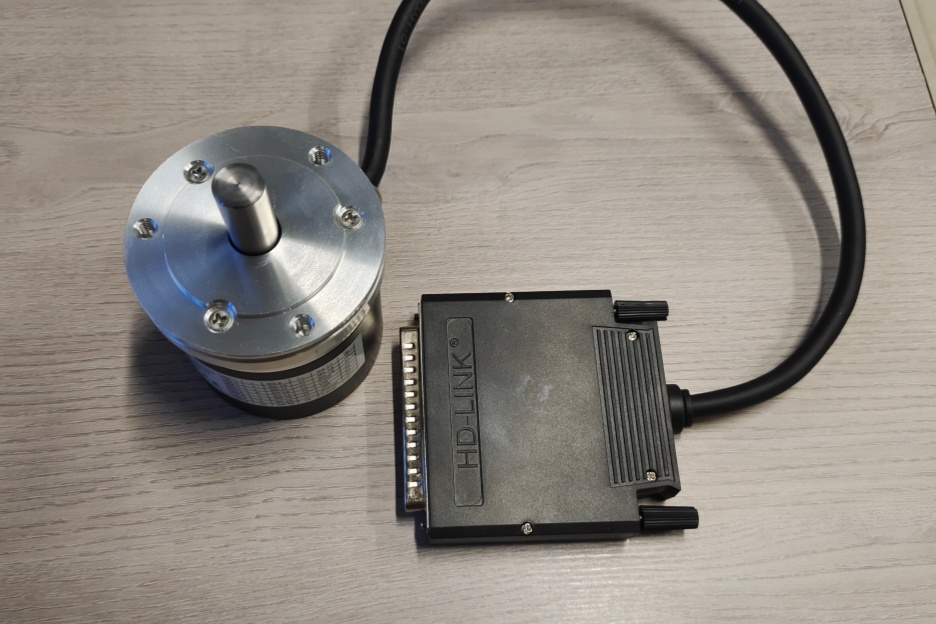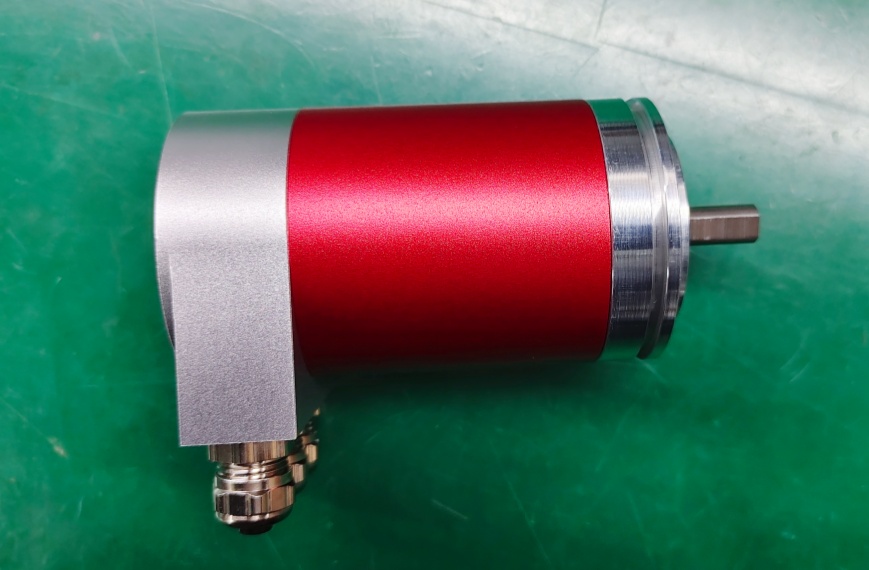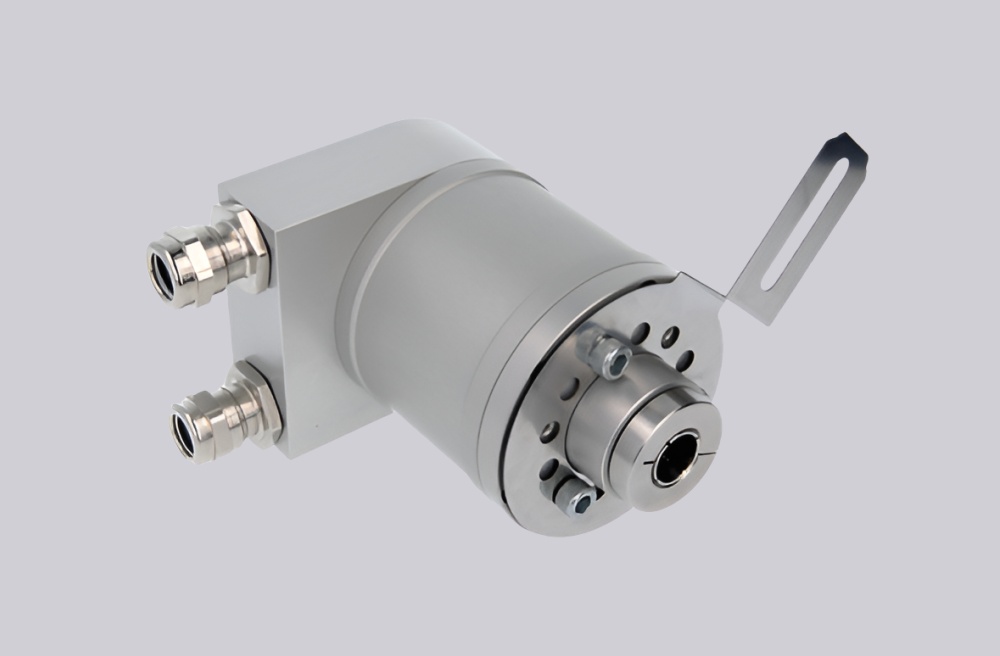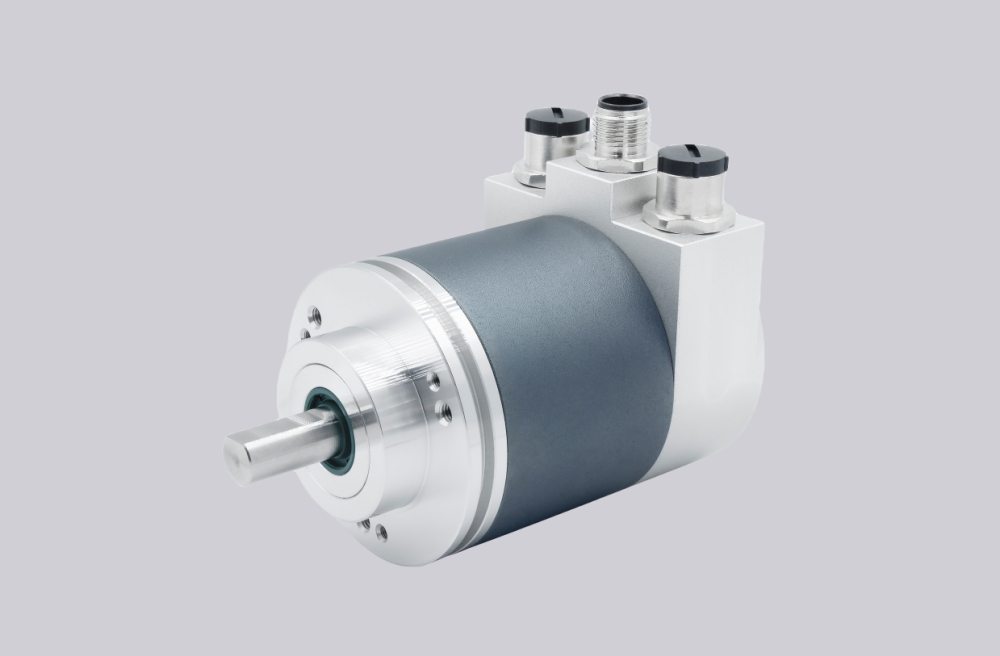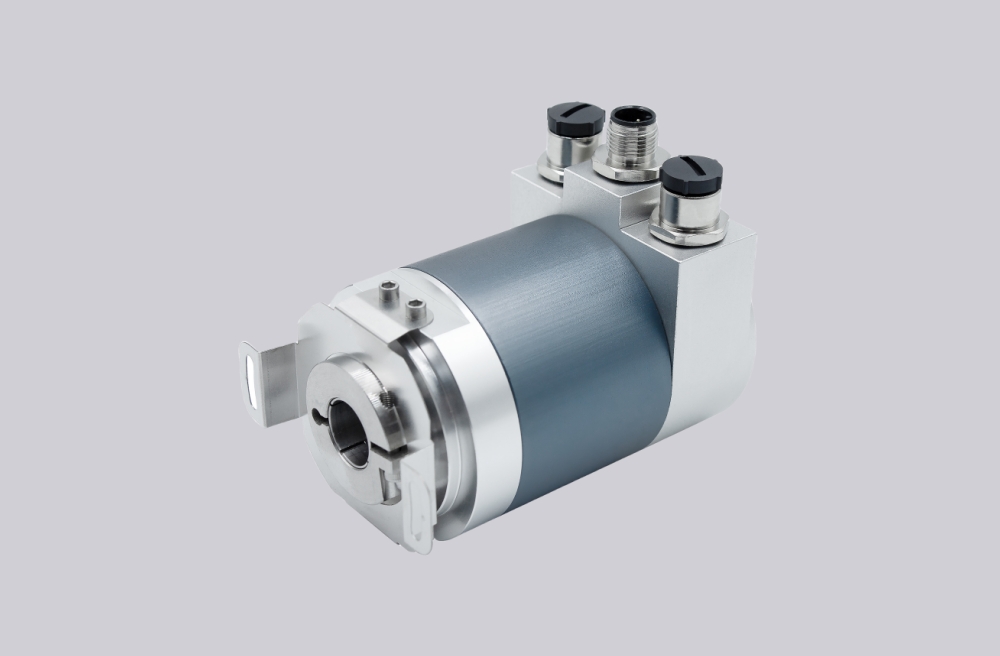




We have developed a custom solution for model OCD-PPA1G-0710-C060-CRW, built around a compact 58 mm clamping-flange platform with a Ø6 mm solid shaft and a parallel push-pull multiturn output structure. This configuration is intended for systems that still use direct bit-level position acquisition rather than SSI or fieldbus communication, while requiring multiturn absolute feedback in a compact shaft-mounted package. The platform provides 10-bit singleturn + 7-bit multiturn Gray-code output with a radial cable outlet, making it suitable for control architectures that prefer direct parallel acquisition without protocol-side complexity. Typical production lead time: 15 working days.
Technical Key Parameters
- Interface: Parallel (push-pull)
- Resolution: 10 bit singleturn + 7 bit multiturn
- Mounting: Ø58 mm clamping flange
- Shaft: Ø6 mm solid shaft, 10 mm length
- Supply voltage: 10–30 VDC
Custom Solution Photos
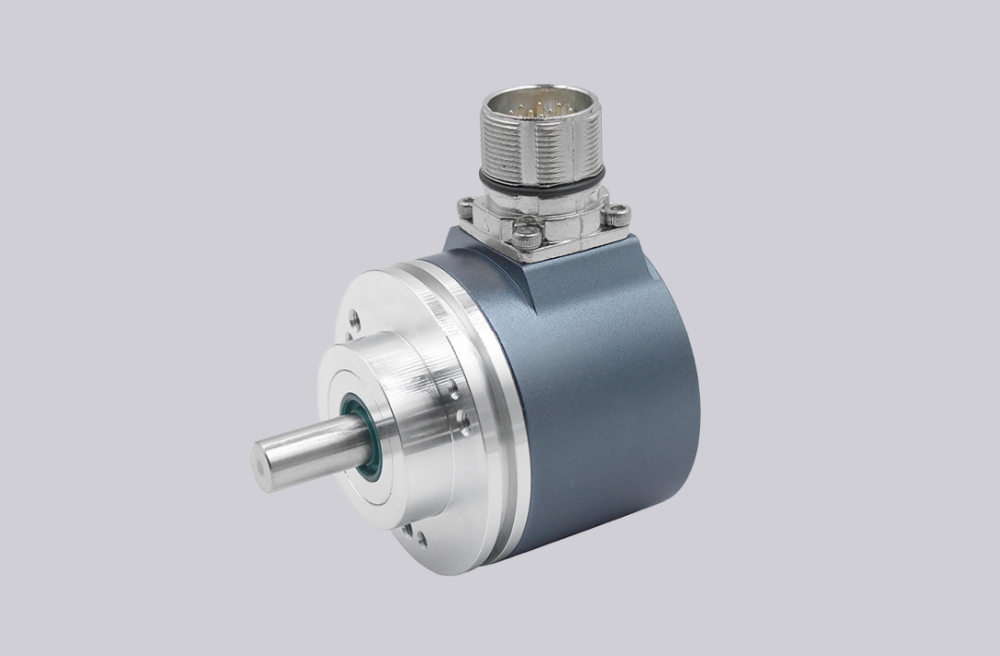
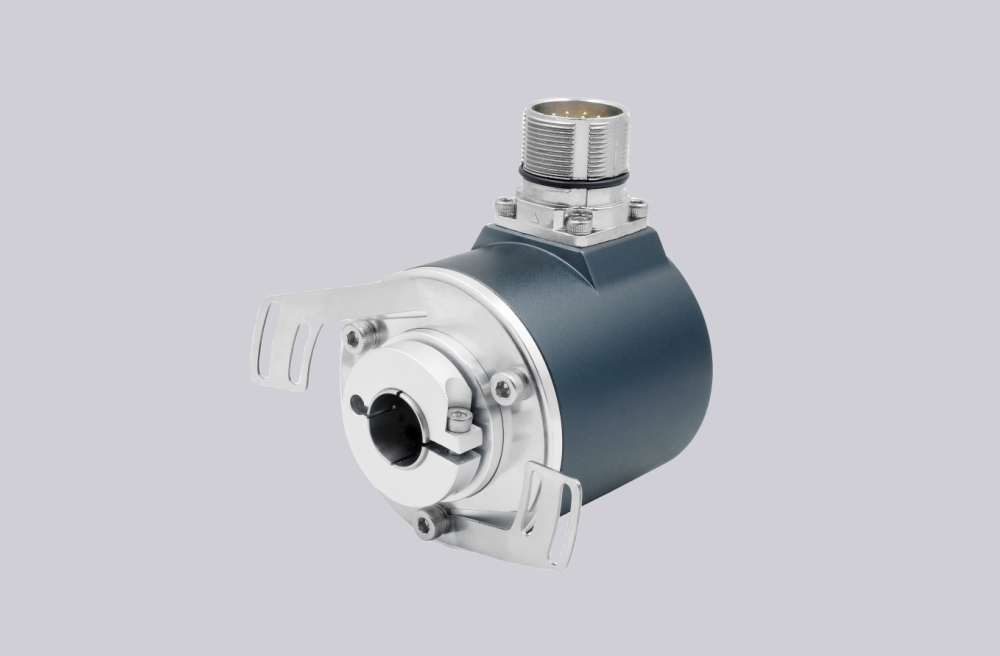
The configuration reflects a compact shaft-type encoder structure with radial cable outlet and direct parallel bit output for controller-side multiturn position acquisition.
Wiring and Installation Notes
This model uses a parallel push-pull output, so long-term stability depends more on wiring discipline across multiple conductors than on protocol settings. In practice, stable but incorrect position values are more often caused by bit-order mistakes, undefined control lines, or inconsistent ground reference than by encoder failure. The connection plan includes the position bits plus Latch, DIR, Power Supply, and GND, so commissioning should verify signal assignment before controller-side scaling or logic is finalized. On this type of interface, incorrect direction behavior often looks like a counting or gearing problem, so the DIR function should be checked first whenever the position value changes in the wrong sense.
The encoder uses a 1 m radial PVC cable, and cable routing should be planned before the shaft is fixed in place. In compact cabinets, side-entry cable stress and forced bends near the housing are more likely to create long-term instability than the sensing element itself. Mechanically, the Ø6 mm shaft and 10 mm shaft length require accurate alignment and controlled coupling fit. This is a compact platform with moderate shaft-load capability, so coupling mismatch usually becomes a long-term issue earlier than the electronics do.
Application and Integration Notes
This configuration is typically used in compact automation modules, positioning units, and controller architectures that still rely on direct parallel absolute inputs instead of serial communication. Its practical value lies in combining multiturn Gray-code output with a small 6 mm shaft interface, allowing compact integration without adding bus or SSI-side configuration work.
Compared with SSI or fieldbus encoders, this model reduces communication complexity but increases the importance of cable-side wiring accuracy and I/O discipline. In practice, it is selected when the control hardware already supports direct parallel position acquisition and where a compact shaft-mounted encoder is preferred over a serial or networked alternative.
Custom Encoder Solution
- Compact 58 mm clamping-flange structure for limited installation space
- 10 + 7 bit multiturn Gray-code output for direct controller-side position acquisition
- Ø6 mm solid shaft for very small-drive mechanical integration
- Radial cable outlet for side-entry routing in restricted mounting layouts
Lead Time and Custom Development
This model is configured based on confirmed shaft geometry, multiturn output requirements, and parallel integration logic. Typical production lead time: 15 working days.
Key Technical Data
| Item | Specification |
|---|---|
| Interface | Parallel, push-pull |
| Resolution | 10 bit + 7 bit |
| Supply voltage | 10–30 VDC |
| Mounting | Ø58 mm clamping flange |
| Shaft | Ø6 mm solid shaft, 10 mm length |
| Connection | Radial cable, 1 m PVC |
| Max speed | 12000 rpm |
| Protection | IP65 |
Technical Summary
The engineering value of OCD-PPA1G-0710-C060-CRW lies in its combination of a compact 58 mm clamping-flange structure, Ø6 mm shaft, and multiturn parallel absolute output on a simple electrical architecture. It is best suited for installations where direct controller-side position acquisition is required across multiple revolutions, but serial communication would add unnecessary integration overhead. In practical applications, the main success factors are correct bit assignment, stable direction logic, controlled radial cable routing, and accurate small-shaft alignment.