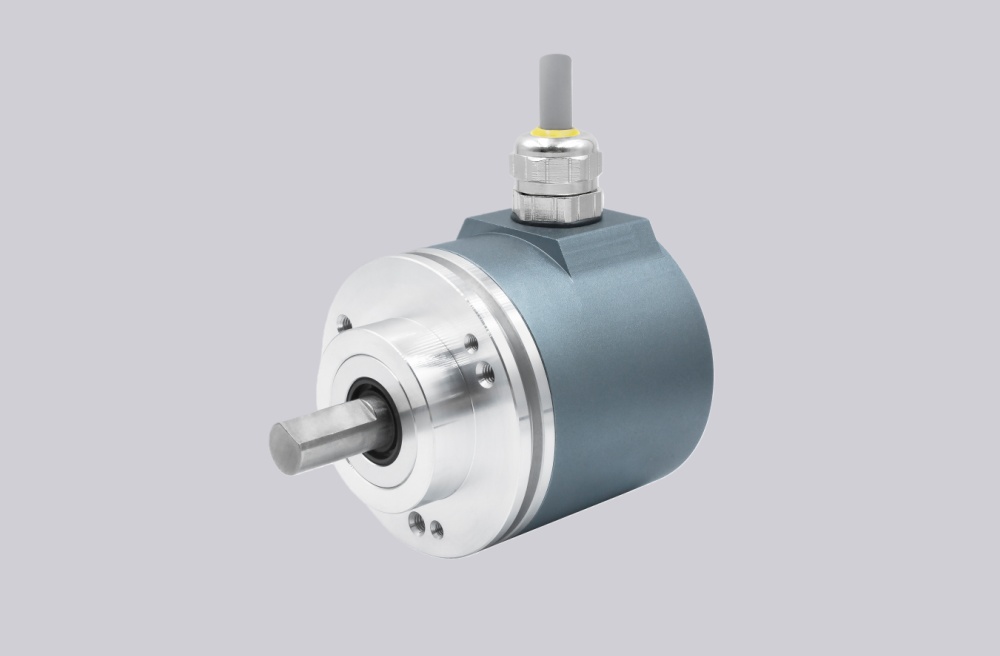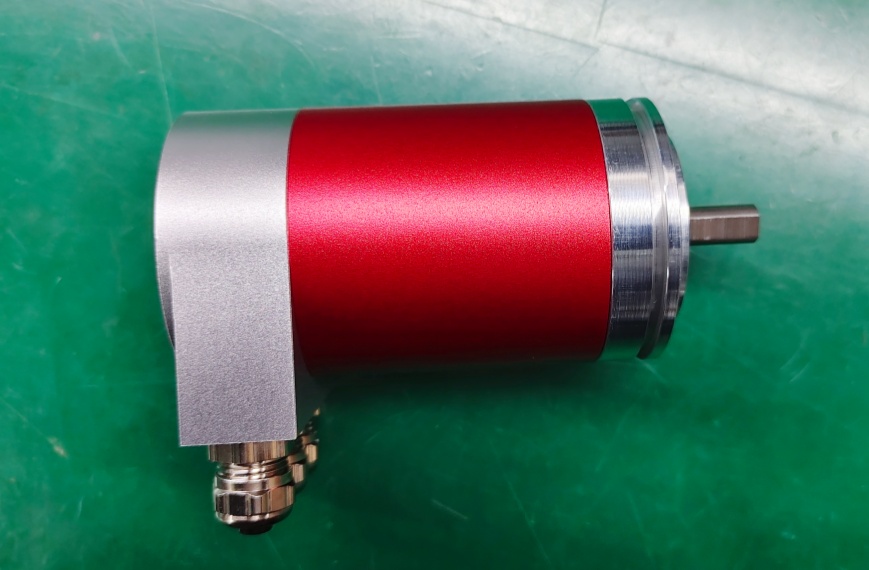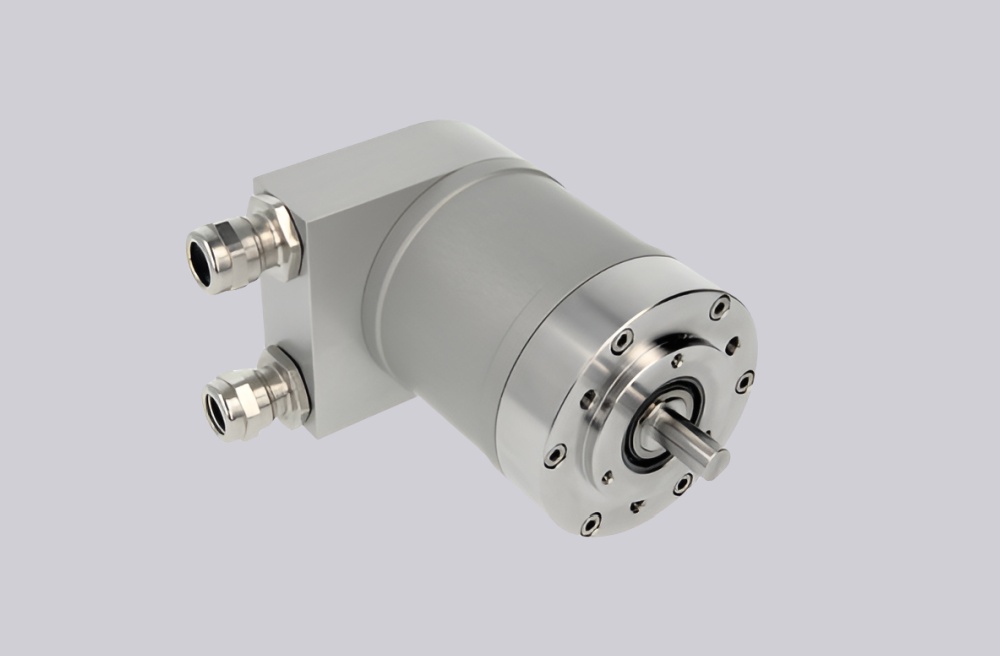




EncoderWorks develops a concise custom compatible solution for OCF-DPC1B-1413-CA30-H3E, focused on preserving the original Profibus DP feedback behavior in a Zone 2 / Zone 22 encoder installation. The replacement fails when the mechanical shaft and flange match, but the controller does not receive the same node address, terminal-resistor state, bus-in / bus-out wiring, or ATEX-area connection behavior. Typical production lead time: 15 working days.
Where the System Fails First
The controller reads OCF-DPC1B-1413-CA30-H3E as a Profibus DP absolute encoder with DPV0, DPV1, and DPV2 Class 2 profile behavior. The interface supports address selector switching from 0–99, terminal resistor control through the connection cap, transmission rate up to 12 Mbaud, and programmable functions including resolution, gearing factor, preset, counting direction, node number, teach-in, diagnostics, and limit switches.
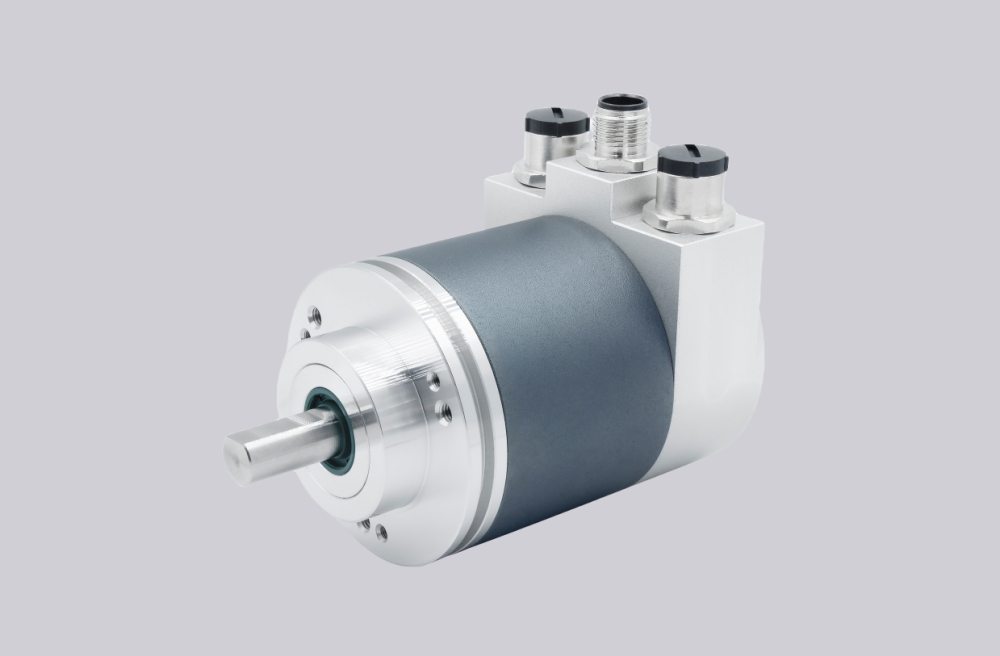
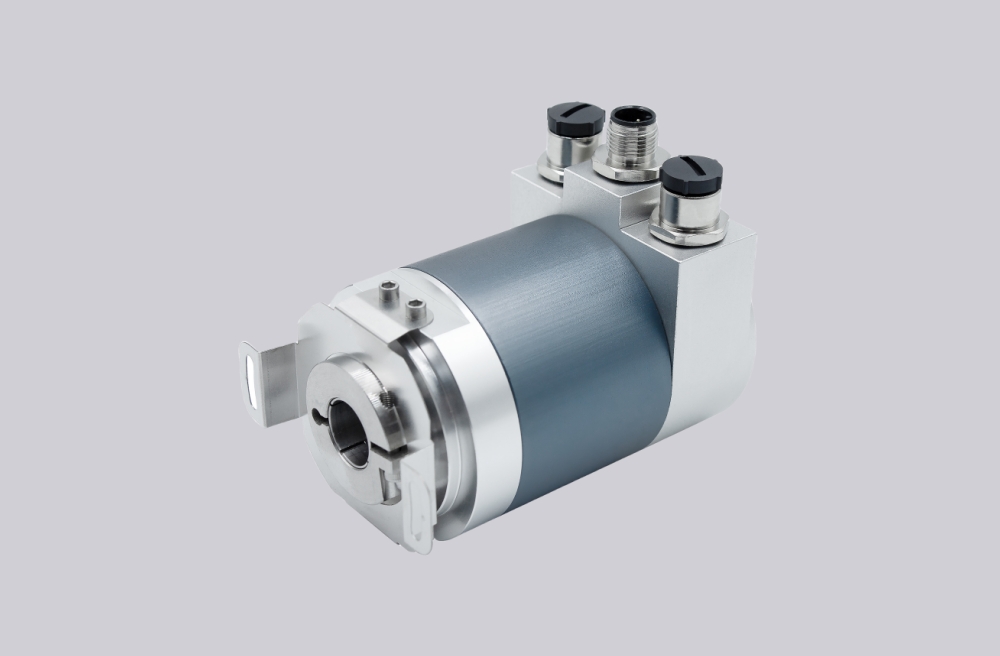
This replacement fails when the encoder is mounted correctly but the PLC sees a different Profibus node condition after replacement.
The practical fault chain is direct: the node address must match the original setting, Bus line A / Bus line B must remain correct for both bus-in and bus-out, and the terminal resistor state must match the actual end-of-line position. Because this model uses a removable radial connection cap, a wiring error inside the cap can look like encoder failure even when the sensing core is healthy.
A stable replacement must first reproduce the original Profibus address, terminal-resistor behavior, bus topology, and Zone 2 / Zone 22 connection boundary before mechanical fit can be accepted.
Zone-Rated Connection and Mechanical Boundary
This model uses a clamp flange, 58 mm housing format, 10 mm solid shaft with single flat and female keyway, and radial connection through 3 × Zone 2 + 22 cable glands. The connection cap is part of the replacement boundary because it carries the bus-in, bus-out, supply, shielding, and terminal resistor behavior in one area.
The environmental and mechanical boundary is also stricter than a standard cabinet encoder. The page specifies IP65 shaft and housing protection, -40 °C to +85 °C operating range, steel housing, aluminium connection cap, and CE + ATEX Zone 2 & 22 approval. A replacement that ignores the hazardous-area connection style or cable-gland layout can pass basic electrical checks but fail the installation requirement.
Installation Notes
- Keep the model format as OCF-DPC1B-1413-CA30-H3E
- Restore the original Profibus node address before startup
- Confirm terminal resistor state in the connection cap
- Wire Bus line A / Bus line B exactly for bus-in and bus-out
- Preserve radial 3-cable-gland routing and shield continuity
- Confirm DPV0 / DPV1 / DPV2 Class 2 controller compatibility
- Check preset, counting direction, and teach-in settings before commissioning
- Do not treat the Zone 2 / Zone 22 connection boundary as a standard encoder hood
Key Data
- Model: OCF-DPC1B-1413-CA30-H3E
- Type: Absolute rotary encoder
- Interface: Profibus DP
- Profile: DPV0, DPV1, DPV2 Class 2
- Resolution: 13-bit singleturn
- Multiturn range: 14-bit multiturn
- Code: Binary
- Supply voltage: 10–30 VDC
- Current consumption: ≤230 mA @ 10 VDC / ≤100 mA @ 24 VDC
- Transmission rate: ≤12 Mbaud
- Interface cycle time: ≥1 ms
- Technology: Optical
- Multiturn technology: Mechanical gearing, no battery
- Flange: Clamp, Ø58 mm
- Shaft: Solid, 10 mm, single flat, female keyway
- Connection: 3 × cable gland, Zone 2 + 22
- Connection orientation: Radial
- Protection: IP65 shaft / IP65 housing
- Operating temperature: -40 °C to +85 °C
- Approval: CE + ATEX Zone 2 & 22
- Product life cycle: Established