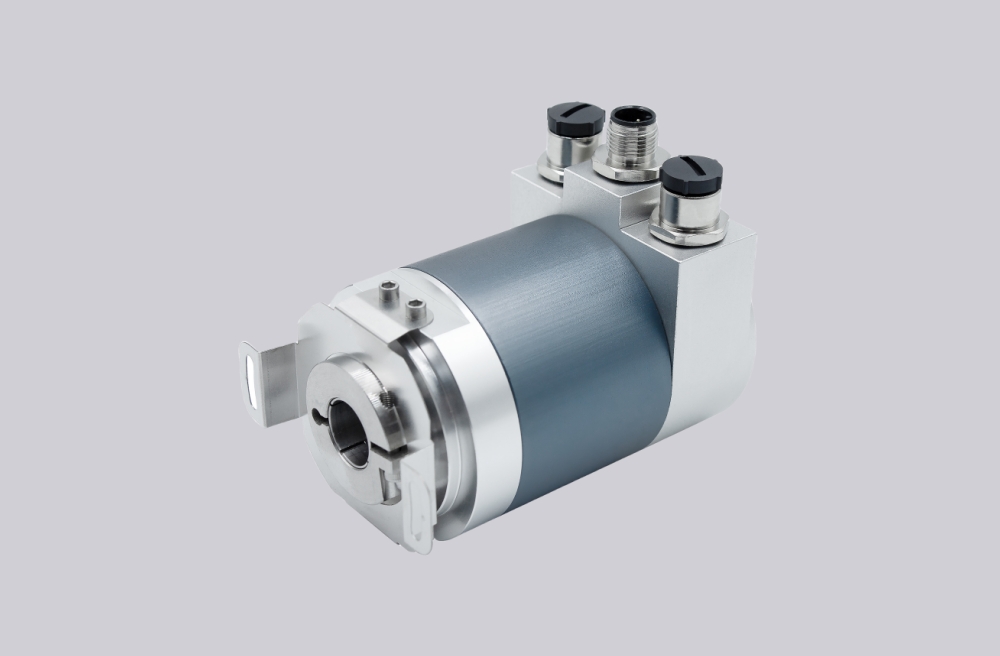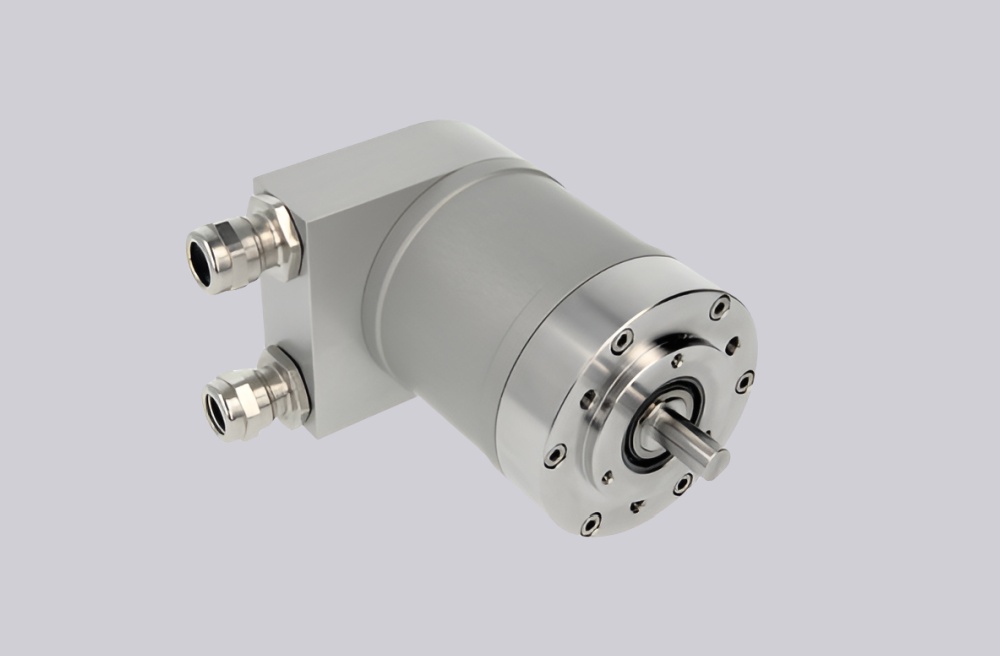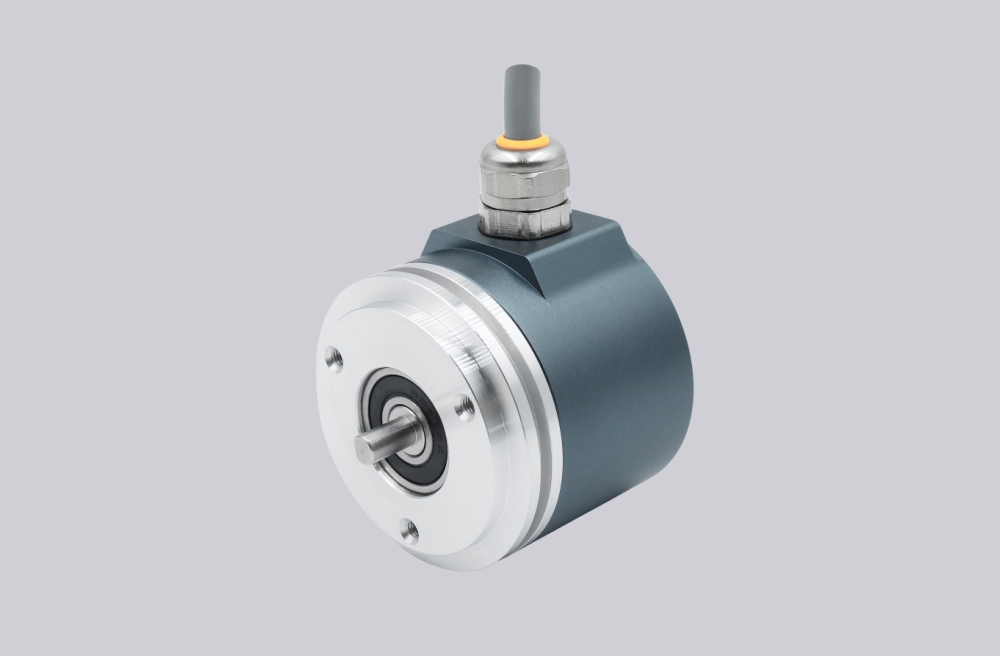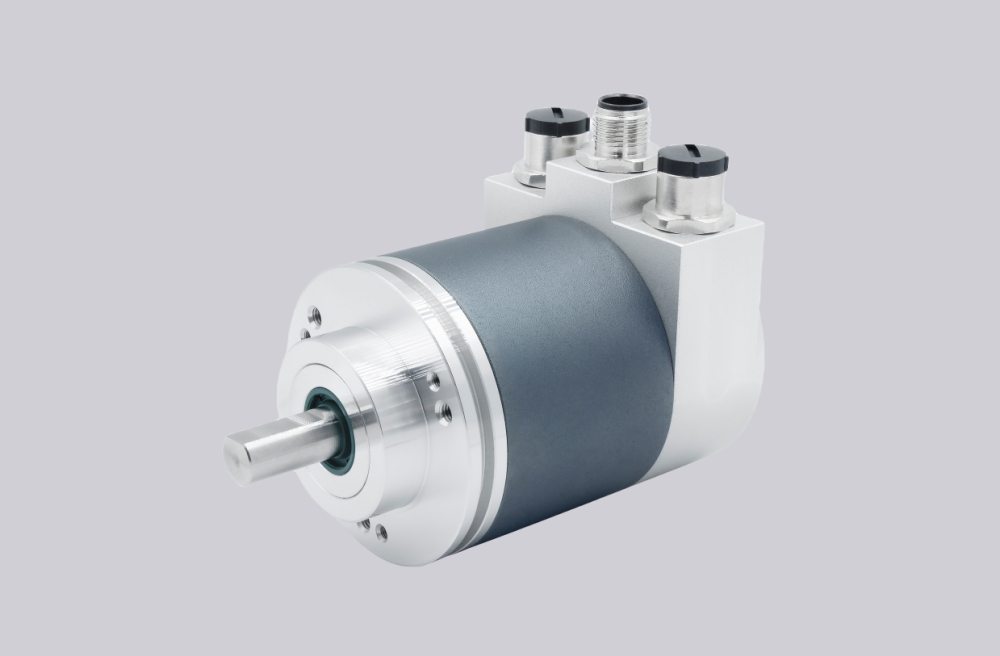




We have developed a custom solution for model OCF-DPC1B-0013-B12V-H3E, built around a compact 58 mm blind hollow-shaft platform with a Ø12 mm shaft bore and Profibus Class 2 communication. This configuration is intended for installations that need singleturn absolute feedback with fieldbus-side parameter handling, while also requiring direct hollow-shaft mounting in a classified-area mechanical layout. The platform uses 13-bit singleturn resolution with optical sensing and a radial Zone 2 & 22 cable-gland connection structure, making it suitable for hazardous-area field installations where bus integration is still required. Typical production lead time: 15 working days.
Technical Key Parameters
- Interface: Profibus DPV0 / DPV1 / DPV2 Class 2
- Resolution: 13 bit singleturn
- Mounting: Ø58 mm blind hollow shaft
- Shaft type: Ø12 mm blind hollow shaft, 30 mm depth
- Supply voltage: 10–30 VDC
Custom Solution Photos
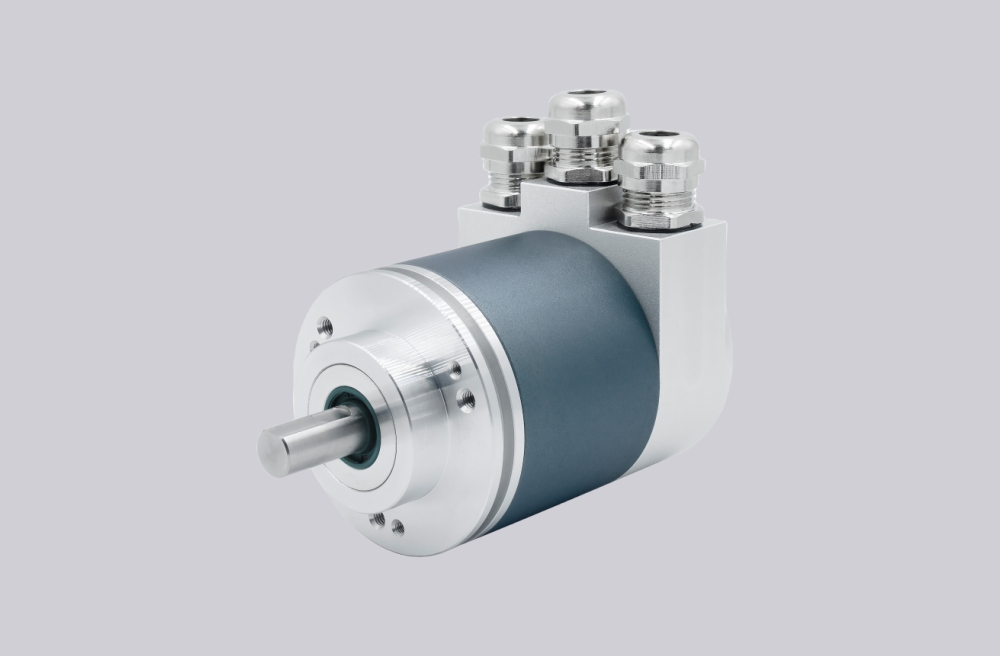
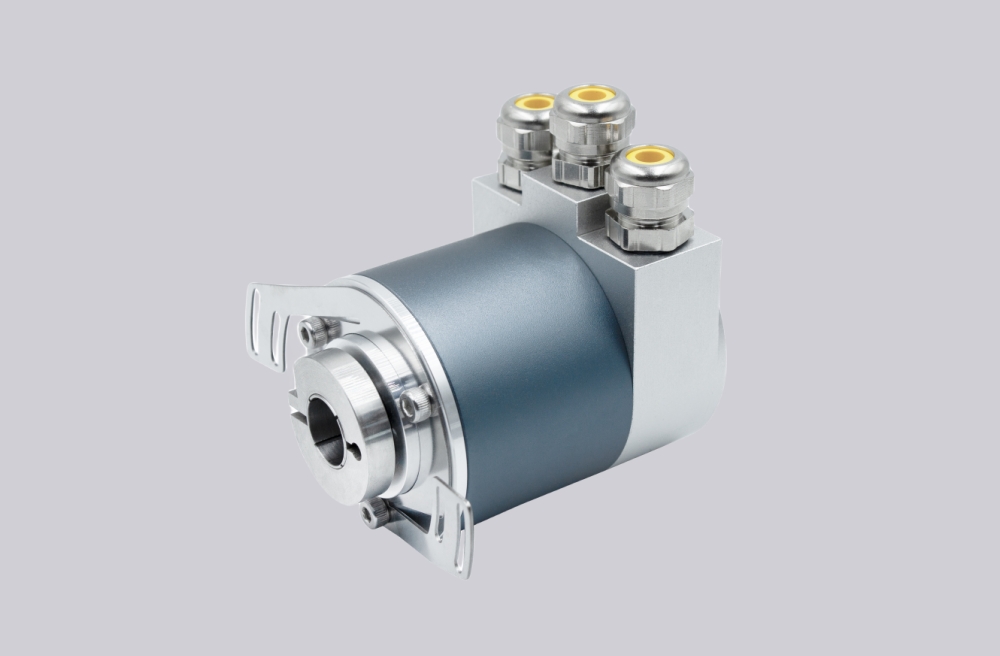
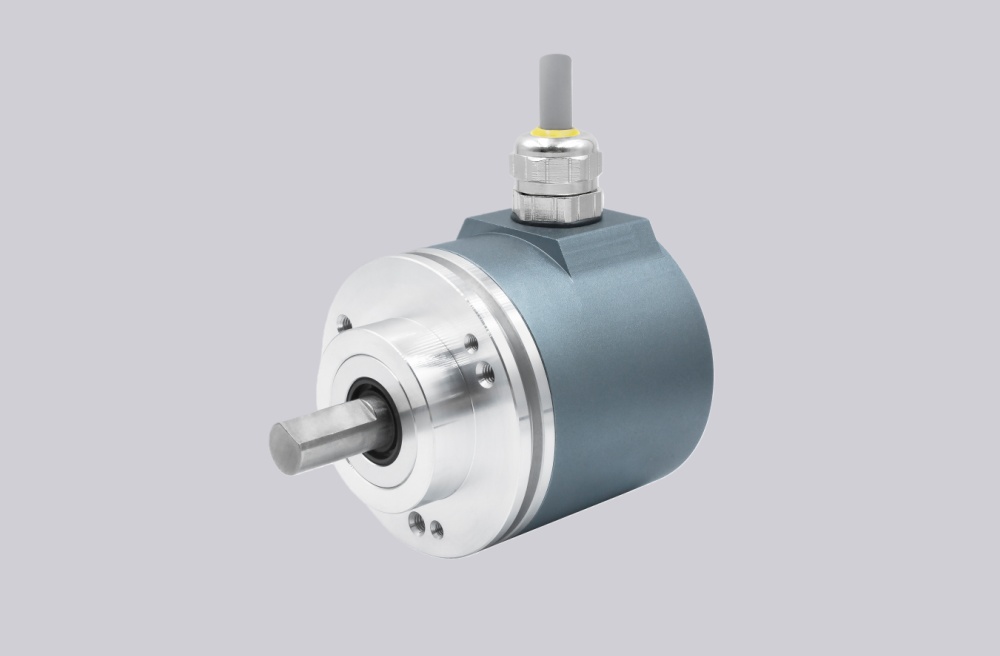
The configuration reflects a compact hollow-shaft encoder structure with hazardous-area cable-gland layout for separated power and bus routing.
Wiring and Installation Notes
This model uses a Profibus interface with optical isolation, so long-term stability depends more on bus layout discipline than on the encoder body itself. In practice, communication faults on this type of encoder are more often caused by address conflicts, inconsistent termination, or cable-gland side routing errors than by hardware failure. The platform supports manual address selection and termination resistor switching, so commissioning should confirm node logic and bus end conditions before preset, scaling, or filter functions are adjusted. It also supports programmable resolution-related functions, preset, counting direction, speed filtering, node handling, and diagnostics, which is useful in retrofit work but also makes incorrect parameter inheritance a common source of stable communication with incorrect position behavior.
The radial connection structure uses a hazardous-area cable-gland layout with separate terminals for bus in, bus out, power, and ground. That arrangement is practical for field wiring, but it also means shield quality, cable preparation, and routing discipline matter more than in compact plug-only versions. Mechanically, the Ø12 mm blind hollow shaft simplifies shaft mounting, but installation quality still depends on correct shaft seating and controlled clamping. Excessive radial stress, uneven support, or over-tight fastening can reduce bearing life and affect signal consistency. In practical classified-area installations, shaft alignment and sealing discipline are usually just as important as bus commissioning.
Application and Integration Notes
This configuration is typically used in compact Profibus-based motion systems, classified-area installations, and shaft-mounted drive assemblies where singleturn absolute feedback is sufficient and direct hollow-shaft mounting simplifies the mechanics. Its practical value lies in combining fieldbus-side configurability with hazardous-area installation capability in a relatively compact 58 mm housing.
Compared with simple point-to-point interfaces, this model reduces controller-side interpretation work because position is transferred directly through Profibus. Compared with larger hazardous-duty fieldbus encoders, it is better suited where a Ø12 mm hollow shaft and 58 mm housing are mechanically more appropriate. In practice, this type of encoder is selected when a compact hazardous-area package is required, but a simple parallel or incremental solution would remove too much bus-level flexibility.
Custom Encoder Solution
- Compact 58 mm Profibus singleturn structure for classified-area installations
- Ø12 mm blind hollow shaft for direct shaft-mounted mechanical integration
- Zone 2 & 22 radial cable-gland layout for organized hazardous-area field wiring
- Suitable for projects requiring preset, direction, filtering, node handling, and diagnostics at the encoder level
Lead Time and Custom Development
This model is configured based on confirmed Profibus communication requirements, hollow-shaft geometry, and hazardous-area installation constraints. Typical production lead time: 15 working days.
Key Technical Data
| Item | Specification |
|---|---|
| Interface | Profibus DPV0 / DPV1 / DPV2 Class 2 |
| Resolution | 13 bit singleturn |
| Supply voltage | 10–30 VDC |
| Mounting | Ø58 mm blind hollow shaft |
| Shaft type | Ø12 mm blind hollow shaft, 30 mm depth |
| Connection | Radial, cable gland layout |
| Max speed | 3000 rpm |
| Protection / approval | IP66 / IP67, Zone 2 & 22 |
Technical Summary
The engineering value of OCF-DPC1B-0013-B12V-H3E lies in its combination of a compact 58 mm hollow-shaft structure, Profibus singleturn feedback, and a hazardous-area radial cable-gland layout. It is best suited for installations where direct shaft mounting and bus-level configurability are both required, but multiturn feedback is not necessary. In practical applications, this type of encoder is selected when a simpler interface would reduce integration flexibility, while a larger hazardous-duty bus encoder would add unnecessary mechanical size.