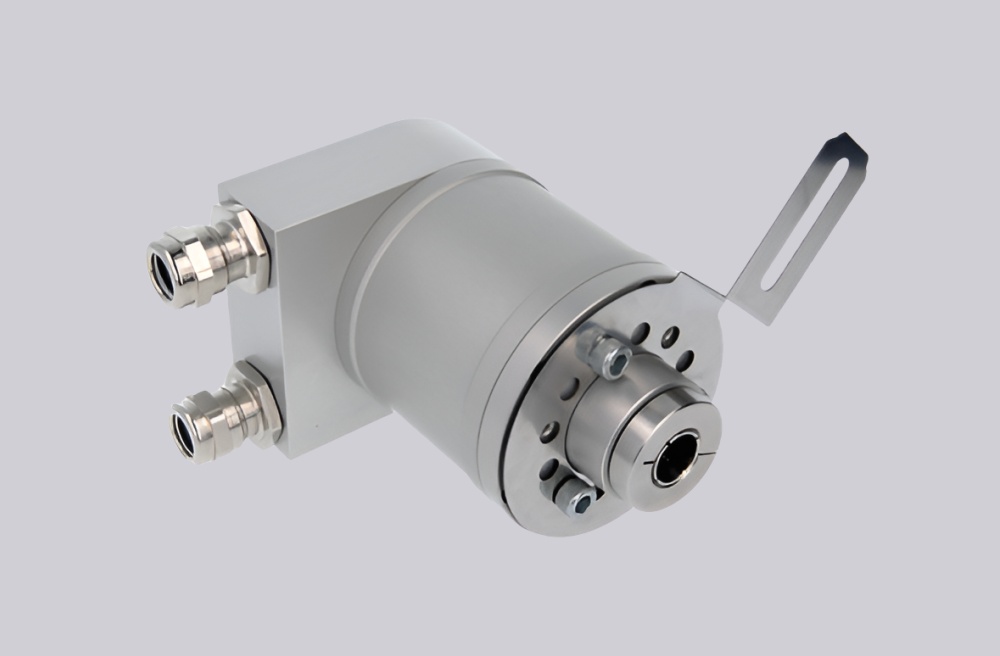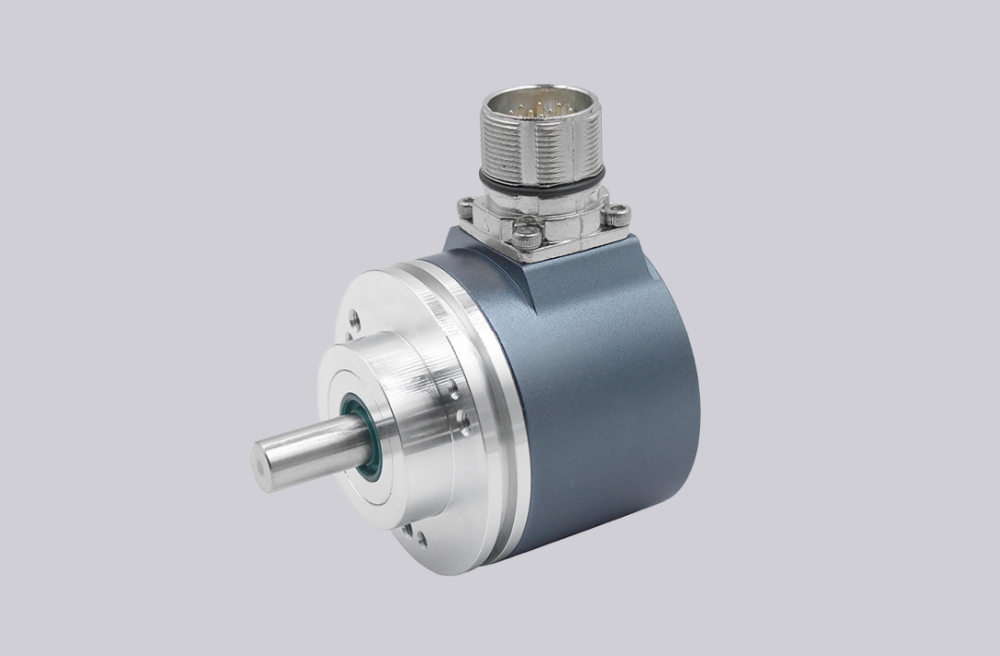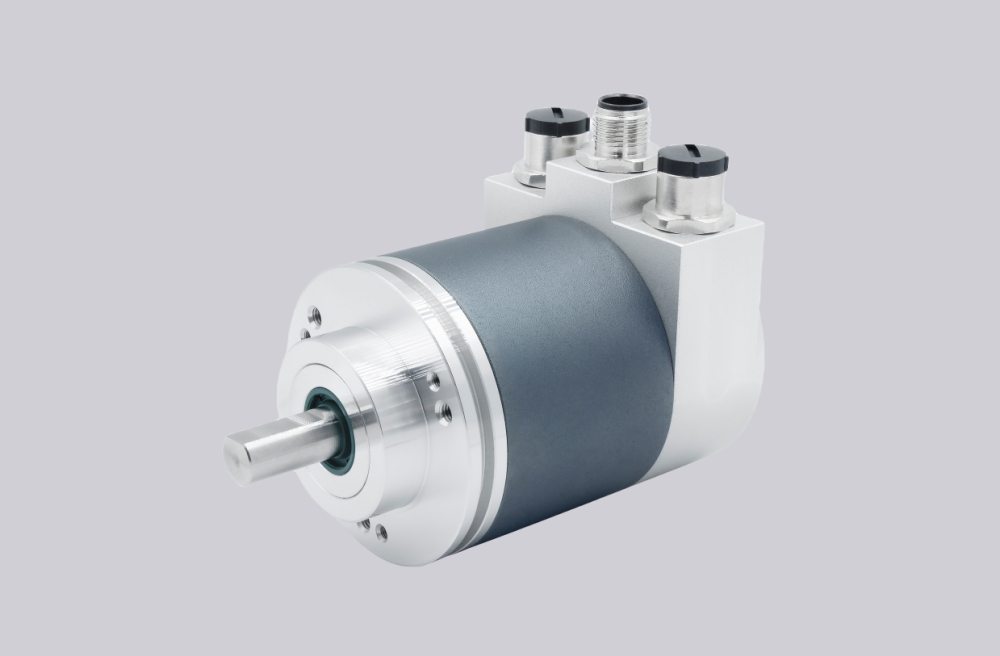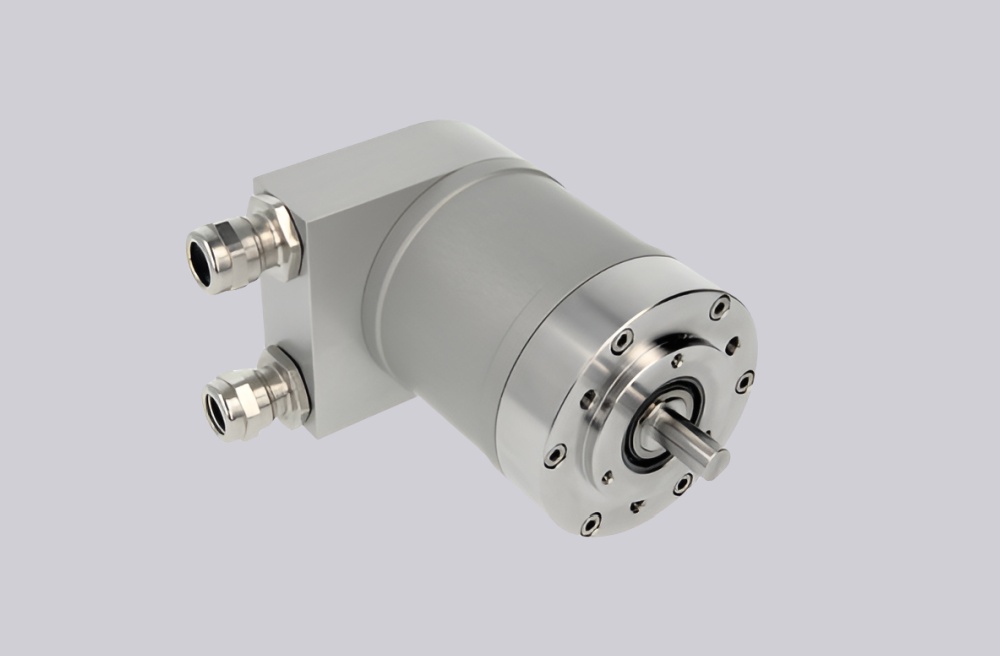




We have developed a custom solution for model UCM-AV002-0013-E14W-HFZ, based on a Zone 1 & 21 encoder platform with 0–10 V analog output, an ATEX Ø78 mm blind hollow-shaft flange, and a Ø14 mm shaft bore. This configuration is intended for classified-area installations where absolute position is required through a simple analog signal rather than a bus or SSI interface. The platform provides 13-bit singleturn sensing with programmable start and end positions through control inputs, making it suitable for hazardous-area applications that prioritize straightforward analog integration. Typical production lead time: 15 working days.
Technical Key Parameters
- Interface: Analog voltage output (0–10 V)
- Resolution: 13 bit singleturn
- Mounting: Ø78 mm ATEX blind hollow shaft
- Shaft type: Ø14 mm blind hollow shaft, 30 mm depth
- Supply voltage: 8–32 VDC
Custom Solution Photos
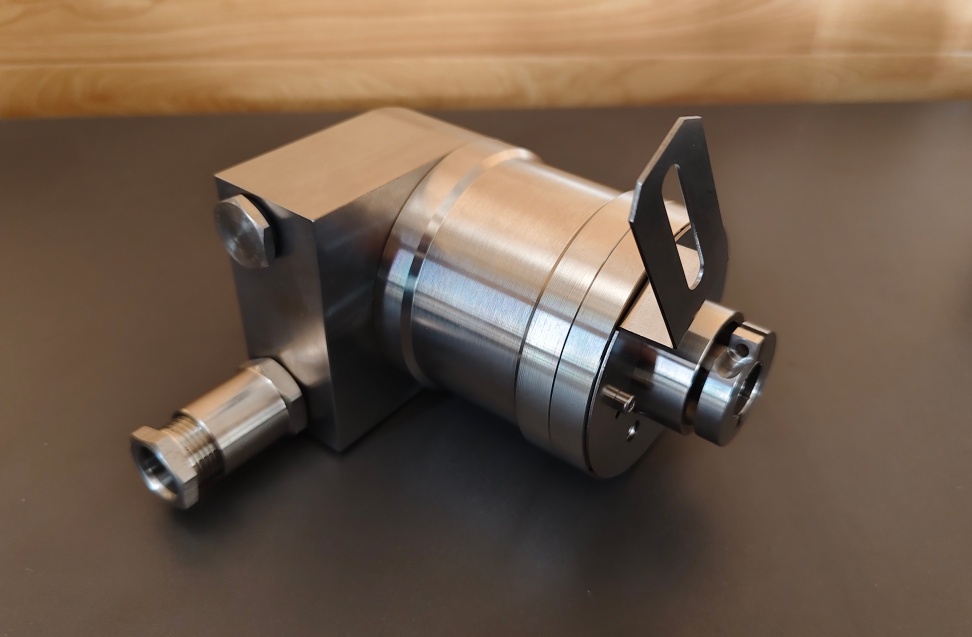
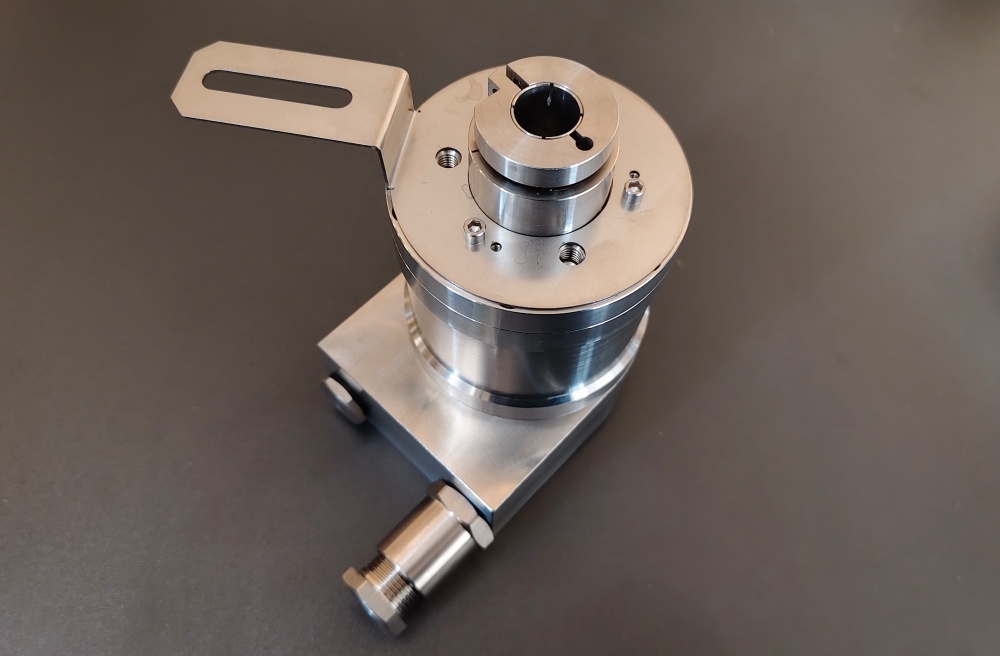
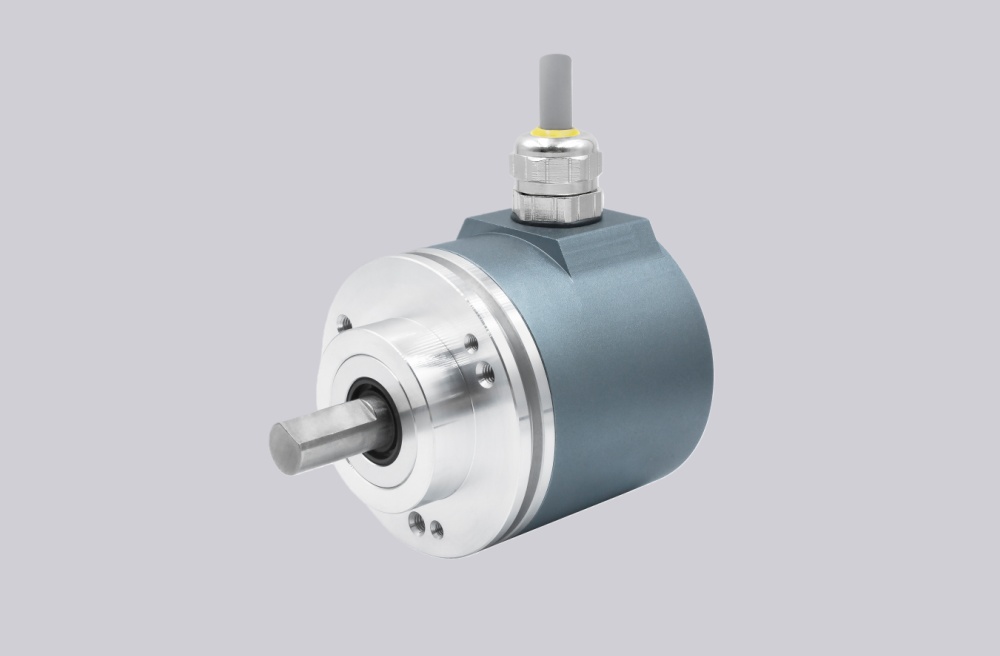
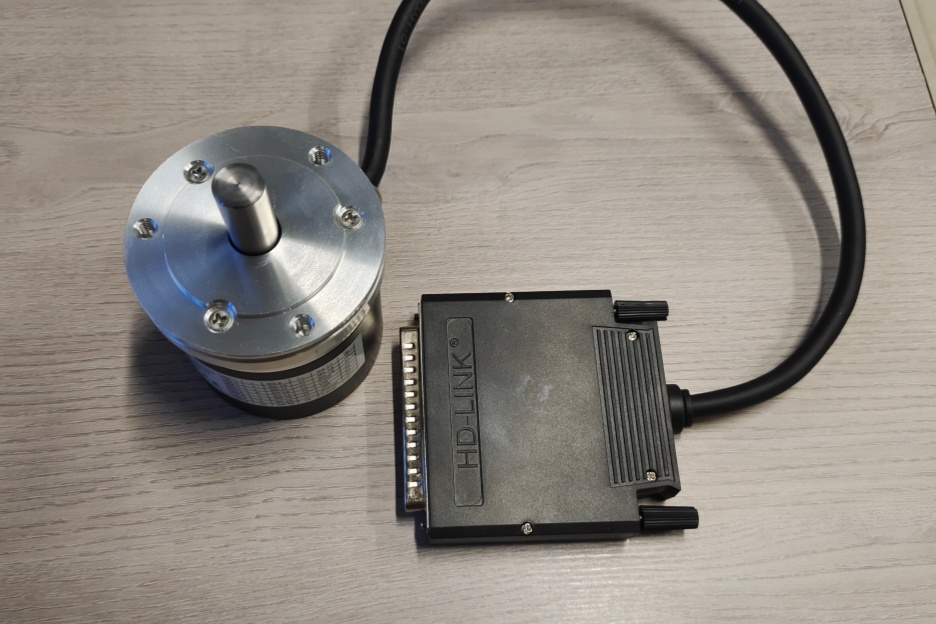
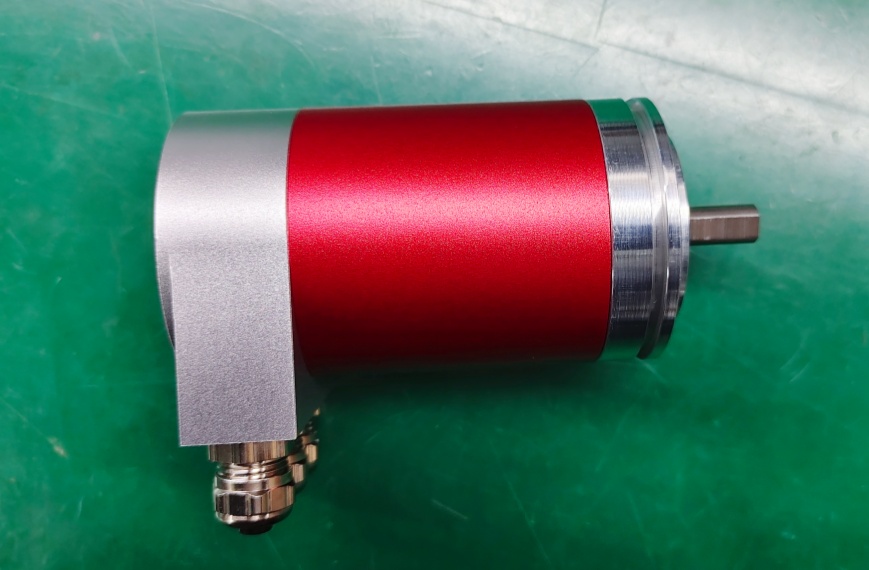
The configuration reflects a heavy hazardous-area encoder structure with stainless housing, blind hollow shaft, and radial terminal layout for analog output wiring.
Wiring and Installation Notes
This model uses a 0–10 V analog output, so integration stability depends more on grounding quality and load conditions than on protocol configuration. In practice, offset errors and unstable readings are more often caused by poor reference grounding, excessive cable influence, or incorrect load resistance than by sensor faults. The minimum load resistance is specified at 5 kΩ, and the connection plan includes Power Supply, GND, Analog Output, Set1/Direction, and Set2/Zero Set terminals. That means commissioning should verify the analog reference path and control-input behavior before any mechanical recalibration is attempted.
Mechanically, this is a heavy hazardous-area stainless platform, not a light compact encoder. Even so, the Ø14 mm blind hollow shaft still requires controlled seating and alignment. The published offset limits are relatively tight, so uneven shaft support or excessive clamping force can affect long-term stability before the electronics become the limiting factor. In practical classified-area installations, shielding, sealing, and shaft alignment usually matter as much as the analog scaling itself.
Application and Integration Notes
This configuration is typically used in hazardous-area automation systems, mining-related installations, and shaft-mounted process equipment where absolute position must be represented as a simple analog voltage rather than a fieldbus or serial data value. Its practical value lies in combining Zone 1 & 21 capability, blind hollow-shaft mounting, and 0–10 V output in a single platform.
Compared with SSI or Ethernet-based encoders, this model reduces protocol complexity but shifts the integration focus to scaling, grounding, and analog load behavior. In practice, it is selected when the control side already prefers analog position input and when a hazardous-area approved electrical interface is required without adding network or serial configuration overhead.
Custom Encoder Solution
- Zone 1 & 21 analog encoder platform for hazardous-area position feedback
- 0–10 V singleturn output for simple controller-side analog acquisition
- Ø14 mm blind hollow shaft for direct shaft-mounted installation
- Suitable for projects requiring analog scaling, zero set, and direction control at the device level
Lead Time and Custom Development
This model is configured based on confirmed analog output requirements, hazardous-area constraints, and hollow-shaft geometry. Typical production lead time: 15 working days.
Key Technical Data
| Item | Specification |
|---|---|
| Interface | Analog voltage, 0–10 V |
| Resolution | 13 bit singleturn |
| Supply voltage | 8–32 VDC |
| Mounting | Ø78 mm ATEX blind hollow shaft |
| Shaft type | Ø14 mm blind hollow shaft, 30 mm depth |
| Connection | Radial terminals |
| Max speed | 3000 rpm |
| Protection / approval | IP67, Zone 1 & 21 |
Technical Summary
The engineering value of UCM-AV002-0013-E14W-HFZ lies in its combination of a hazardous-area analog output platform, stainless blind hollow-shaft structure, and simple 0–10 V position transmission. It is best suited for classified environments where analog integration is preferred and where bus or serial interfaces would add unnecessary system complexity.