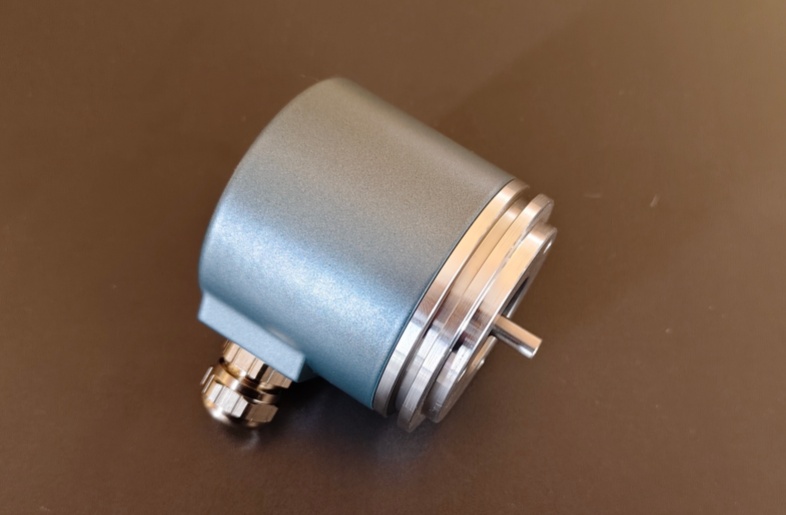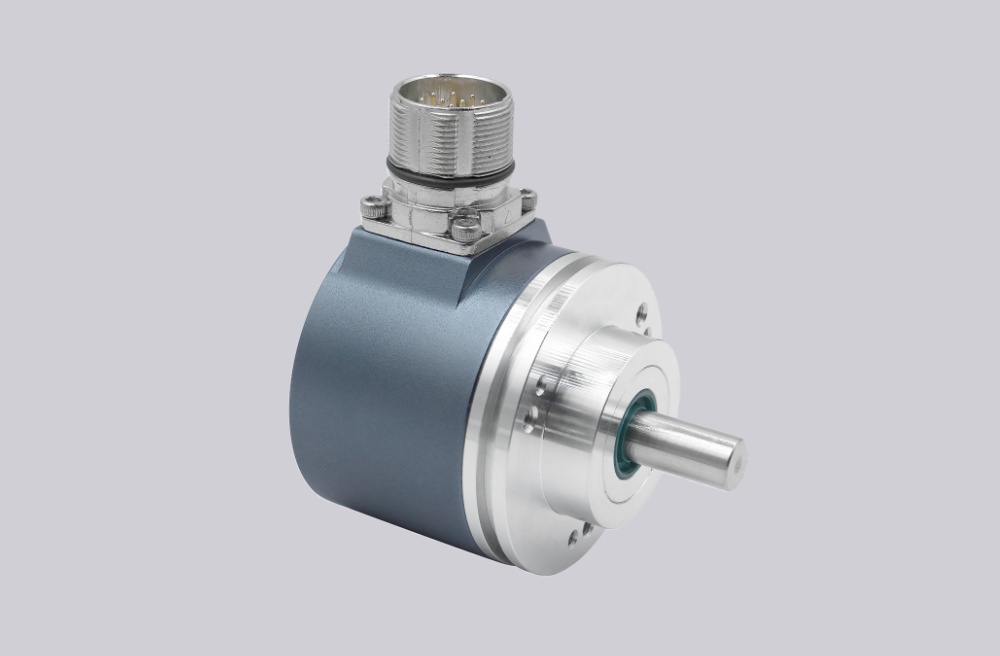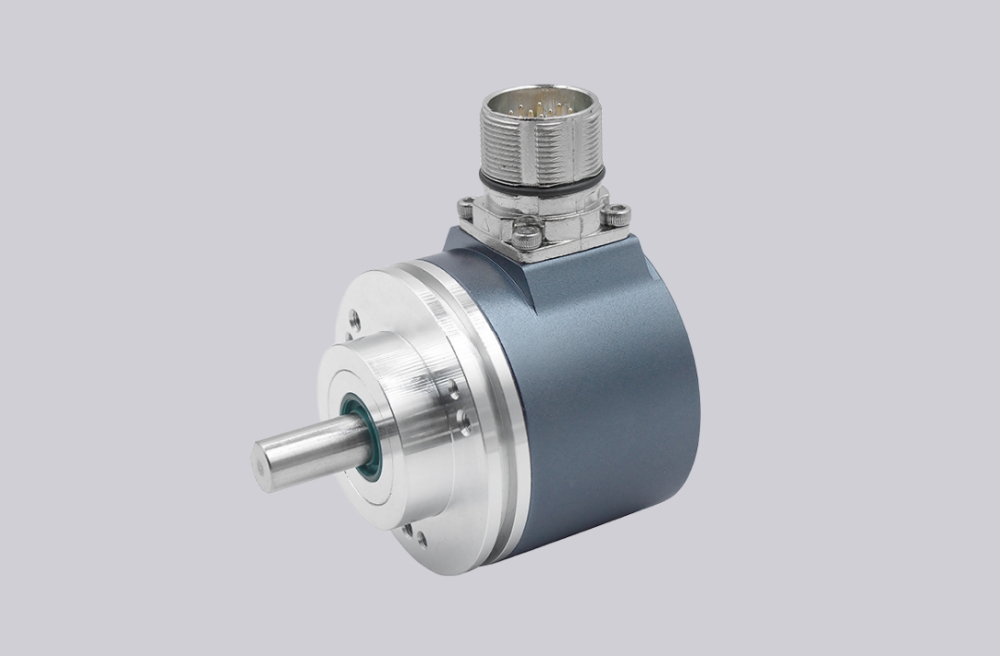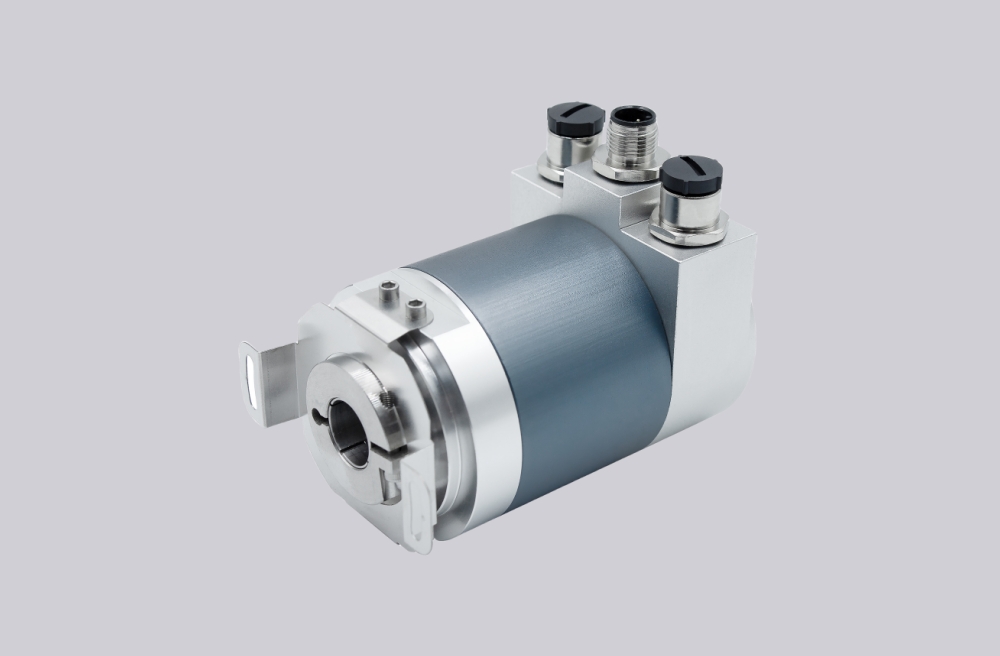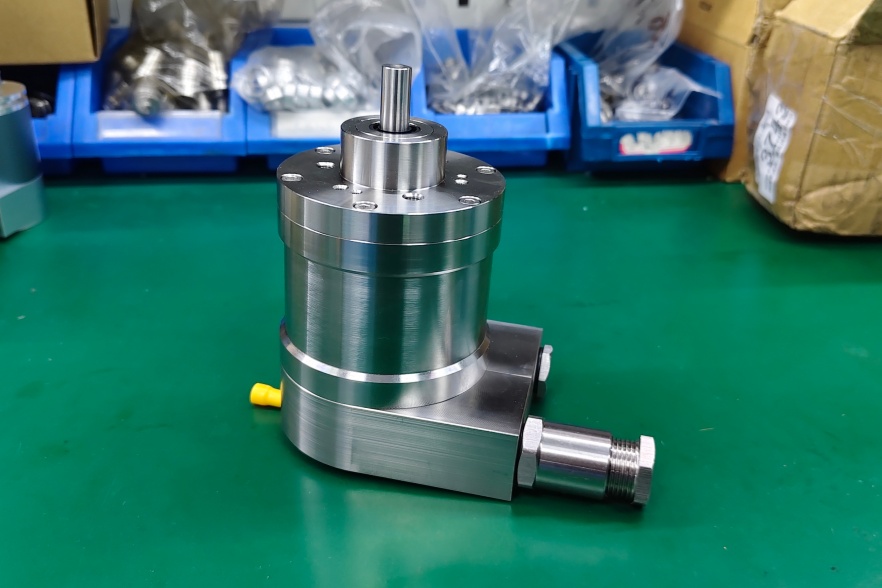




A custom compatible replacement for FSM58N-F2AK2R3BN-1213 can be supplied by EncoderWorks, with the first risk placed on binary cable mapping, LATCH timing, and Ø12 mm recessed hollow-shaft fit. This model is not difficult because it is a 25-bit multiturn absolute encoder. It becomes difficult when the controller samples a binary parallel word while the shaft is moving, or when the K2 cable conductors are copied by color instead of by signal function.
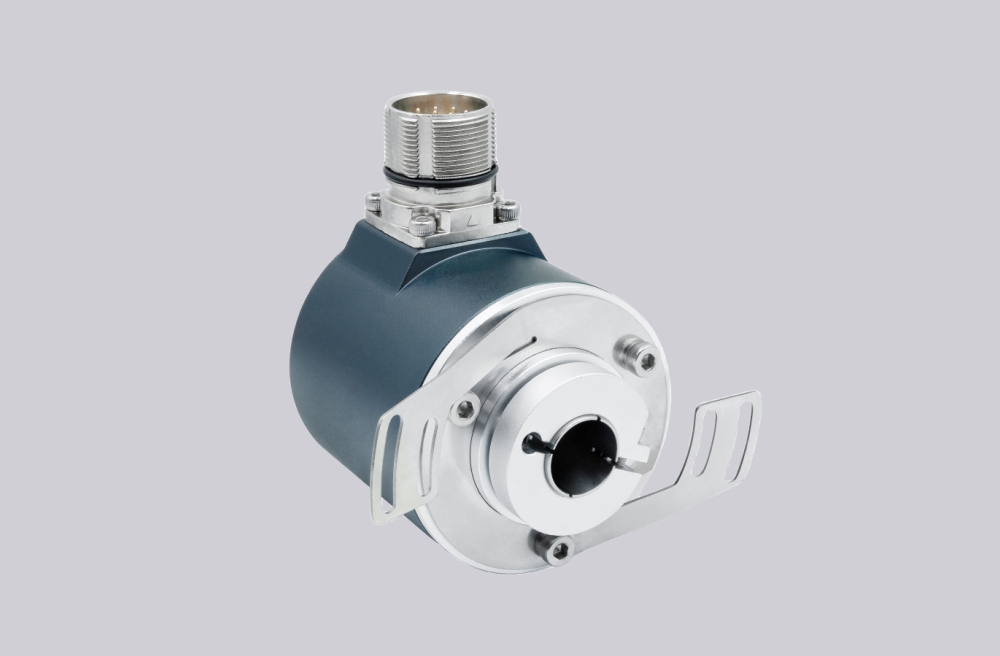
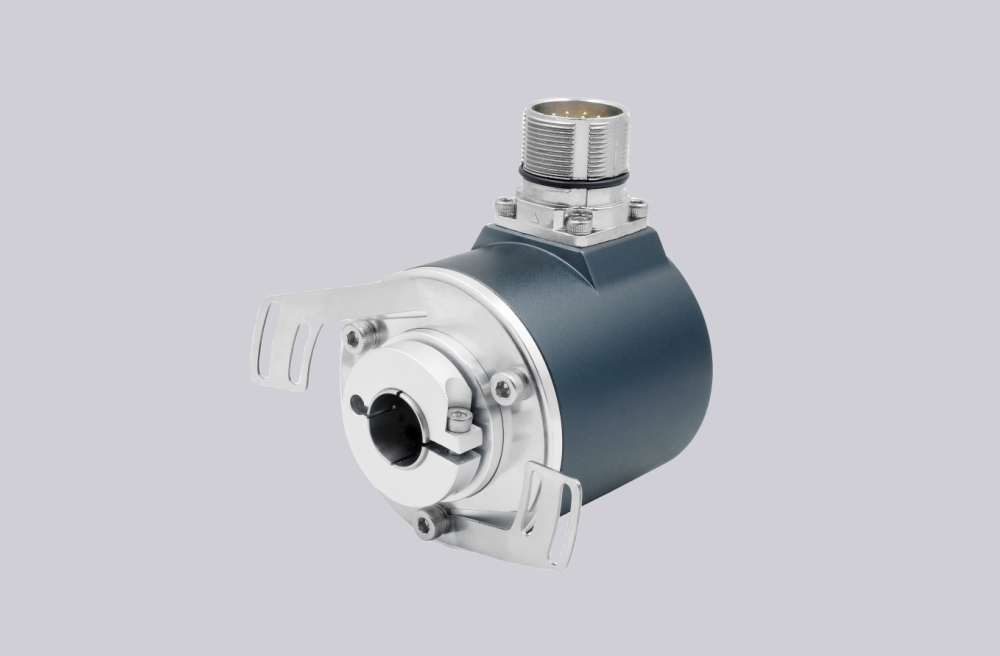
The FSM58N-F2AK2R3BN-1213 is a multiturn absolute encoder with fast parallel push-pull output, aluminum housing, F2A Ø12 mm recessed hollow shaft, K2 cable connection, radial exit direction, binary output code, and V/R, LATCH, PRESET inputs. The FSM58 platform uses direct position data transfer, 25-bit multiturn output, short-circuit-protected push-pull interface, and code change frequency up to 400 kHz.
The first failure boundary is binary bit stability. Binary code can change several bits at the same transition, so the controller must not read a moving word at the wrong instant. If LATCH is not used the same way as the original installation, one read cycle can contain mixed old and new bit states. That creates a wrong absolute value even though every output conductor is switching.
This replacement fails when all 25 parallel outputs are electrically active, but the PLC reads unstable or shifted position values because the binary bit order, LATCH timing, or cable mapping does not match the original machine. The encoder is producing data; the cabinet is not reading the same stable word.
The second boundary is K2 cable identification. Data bit 1 through Data bit 25, Ub, GND, V/R, LATCH, and PRESET must be verified by function. Previous junction-box repairs or cable extensions can make conductor color unreliable. The FSM58 documentation separates direction selection, LATCH, and PRESET from the data outputs, so these lines should never be treated as spare conductors.
V/R controls counting direction, while PRESET sets the encoder value to zero. A wrong V/R state reverses machine position logic; a wrong PRESET state can create a false zero. Both faults may look like software scaling errors, but they are wiring and input-state problems.
Mechanically, the Ø12 mm recessed hollow shaft should mount without force. The torque rest should stop housing rotation without pulling the encoder into alignment. If the shaft fit or torque-rest geometry is loaded, vibration can make the parallel data appear unstable even when the electrical interface is correct.
The replacement decision should first confirm F2A Ø12 mm shaft fit, torque-rest freedom, K2 radial cable mapping, 25-bit binary data order, LATCH pulse timing, V/R direction logic, PRESET behavior, supply voltage, shielding, and controller input thresholds. EncoderWorks treats FSM58N-F2AK2R3BN-1213 as an industrial encoder custom compatible solution where binary read timing and cable assignment decide field reliability.
Typical production lead time: 15 working days.
Key Data
| Item | Data |
|---|---|
| Model | FSM58N-F2AK2R3BN-1213 |
| Encoder type | Multiturn absolute encoder |
| Interface | Fast parallel push-pull |
| Housing | Ø58 mm aluminum housing |
| Shaft type | Recessed hollow shaft |
| Shaft size | F2A, Ø12 mm x 30 mm |
| Connection | K2 Ø9 mm cable |
| Exit direction | Radial |
| Output code | Binary |
| Resolution | 13-bit singleturn + 12-bit multiturn / 25 bit total |
| Operating voltage | 10–30 VDC |
| Code change frequency | Up to 400 kHz |
| Inputs | V/R, LATCH, PRESET |
| Main engineering anchor | Binary cable mapping and Ø12 shaft fit |
| Main failure boundary | Mixed binary read, wrong cable mapping, PRESET error, torque-rest preload |