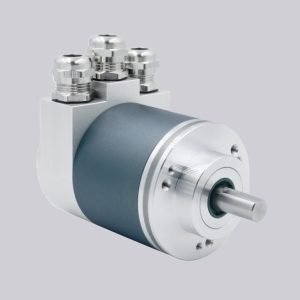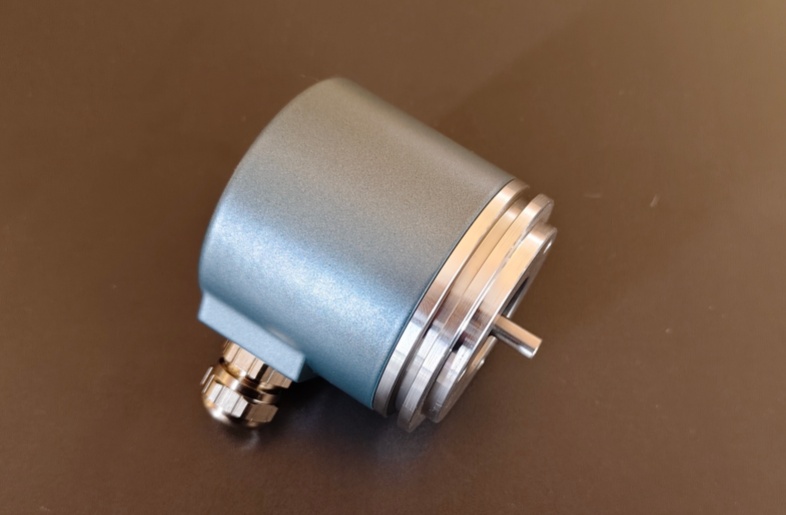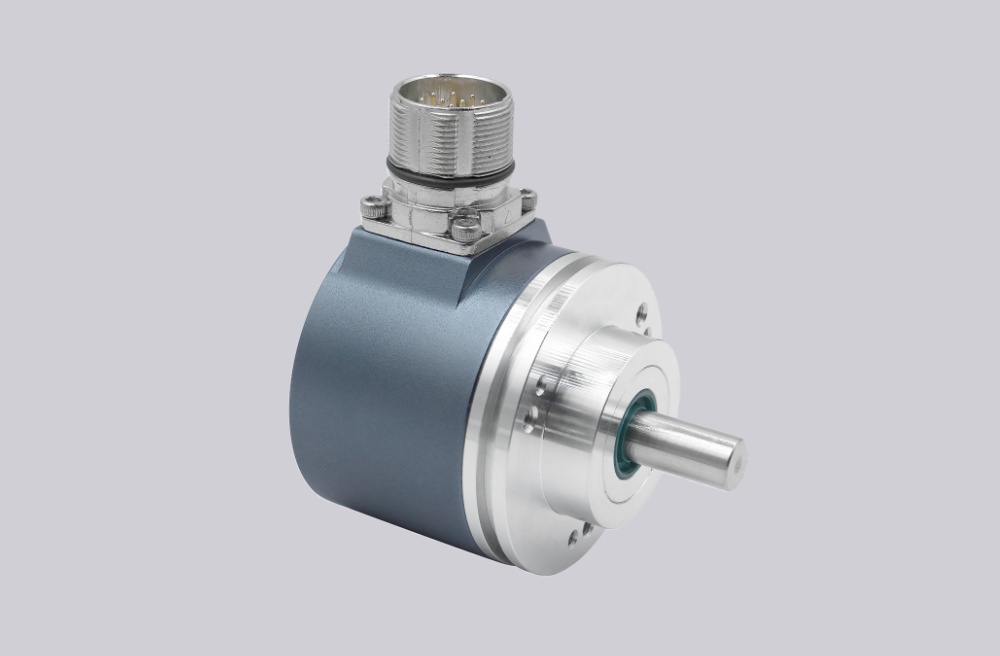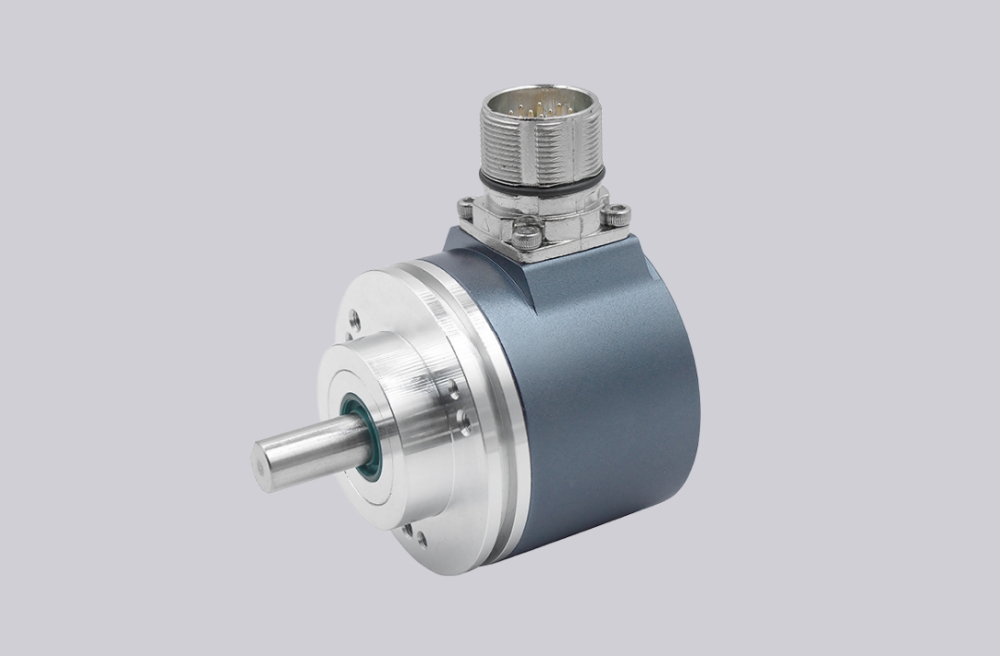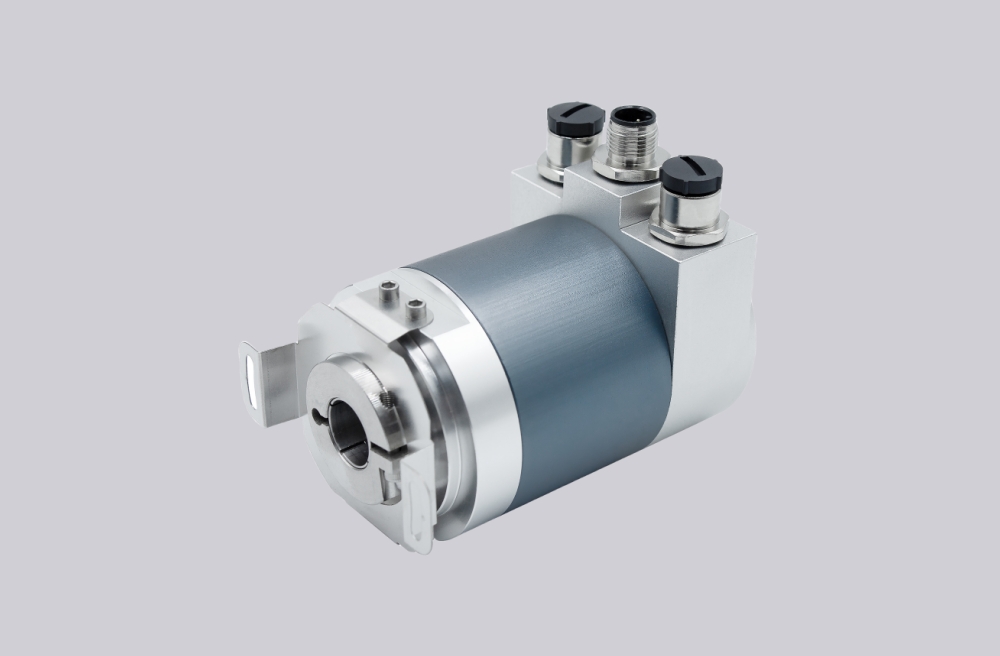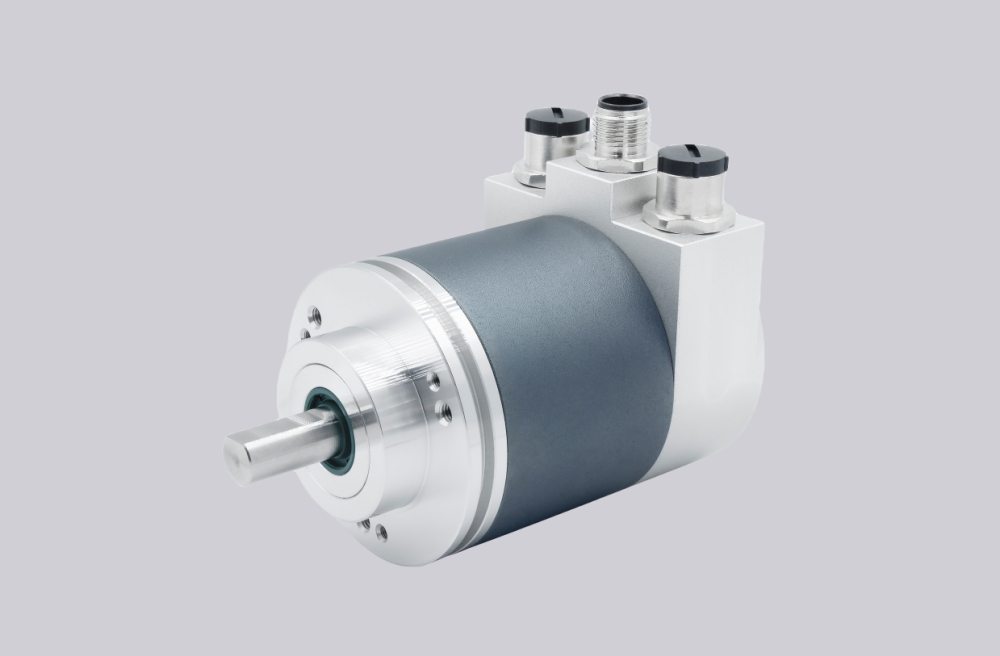




For FSS58N-F2AADR3BN-0013, EncoderWorks can provide a custom compatible replacement focused on 13-bit parallel data stability, LATCH timing, and Ø12 mm recessed hollow-shaft fit. This model should not be treated as a simple singleturn absolute encoder swap. The field risk is that the controller reads all 13 data bits, but the data word changes during sampling because LATCH, bit mapping, code type, or torque-rest installation does not match the original machine.
The FSS58N-F2AADR3BN-0013 is a singleturn absolute encoder with fast parallel push-pull output, 13-bit resolution, binary output code, aluminum housing, F2A Ø12 mm recessed hollow shaft, AD 19-pin connector, radial exit direction, and V/R, LATCH, PRESET inputs. The FSS58 platform is designed for rapid data transfer, reading position data directly from the code disc, with code change frequency up to 400 kHz and short-circuit-protected push-pull outputs.
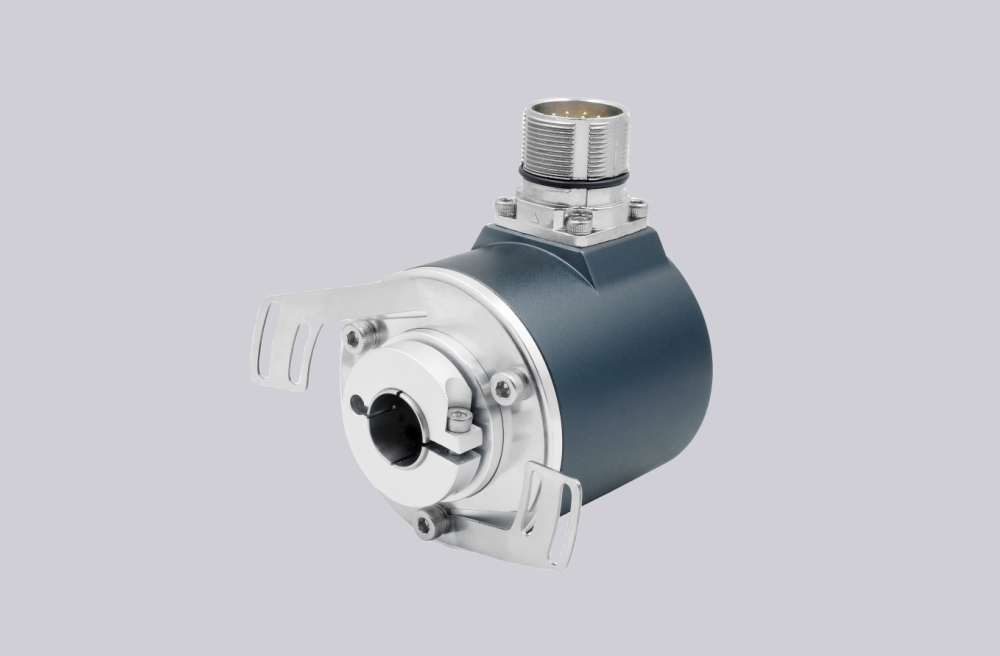
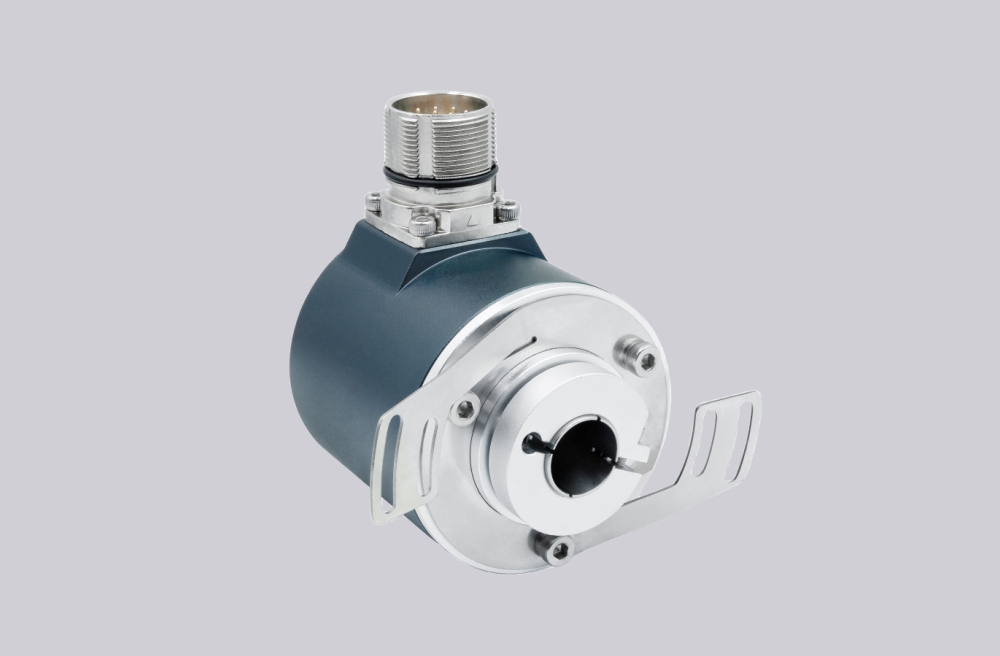
The first failure boundary is parallel bit reading. A 13-bit absolute word is not the same as an incremental pulse train. The controller expects each output bit to appear at the correct pin and with the correct logic code. If the replacement changes binary/Gray code interpretation, bit order, connector assignment, or signal common reference, the machine may receive a stable but wrong position value.
This replacement fails when the 13 data outputs are electrically active, but the controller reads a mixed or shifted position word because LATCH timing or pin assignment was copied by cable color instead of signal function. That fault is harder to diagnose than a dead output because the data looks alive but does not represent the real shaft angle.
The second boundary is LATCH timing. The datasheet explains that when LATCH is active, the parallel position data is frozen so the controller can accept the word without data changing during the read process. The required pulse duration is above 100 µs. If the controller expects latched data but the input is left free-running, binary read errors can appear near bit transitions, especially at higher speed.
V/R and PRESET must also be checked. V/R changes the counting direction; unused input defaults to rising code value with clockwise rotation. PRESET electronically sets the output word to zero when active. If either input is wired incorrectly, the encoder may appear functional but the machine zero, direction logic, or reference position will not match the original setup.
The Ø12 mm recessed hollow shaft and torque rest are the mechanical checkpoints. The shaft hub connection is integrated into the encoder, and the housing is held by a torque rest. The encoder should slide onto the shaft cleanly, and the torque rest should prevent rotation without pulling the housing into alignment. Mechanical preload can show up later as unstable position behavior rather than immediate electrical failure.
The replacement decision should first confirm F2A Ø12 mm shaft fit, torque-rest freedom, AD 19-pin connector mapping, 13-bit binary data order, V/R direction logic, LATCH pulse timing, PRESET behavior, supply voltage, and controller input thresholds. EncoderWorks treats FSS58N-F2AADR3BN-0013 as an industrial encoder custom compatible solution where parallel data timing and hollow-shaft mechanics must be verified together.
Typical production lead time: 15 working days.
Key Data
| Item | Data |
|---|---|
| Model | FSS58N-F2AADR3BN-0013 |
| Encoder type | Singleturn absolute encoder |
| Interface | Fast parallel push-pull |
| Housing | Ø58 mm aluminum housing |
| Shaft type | Recessed hollow shaft |
| Shaft size | F2A, Ø12 mm x 30 mm |
| Connection | AD 19-pin connector |
| Exit direction | Radial |
| Output code | Binary |
| Resolution | 13-bit singleturn / 8192 steps |
| Operating voltage | 10–30 VDC |
| Code change frequency | Up to 400 kHz |
| Inputs | V/R, LATCH, PRESET |
| Main engineering anchor | 13-bit parallel LATCH timing and Ø12 shaft fit |
| Main failure boundary | Wrong bit mapping, unstable LATCH timing, torque-rest preload |