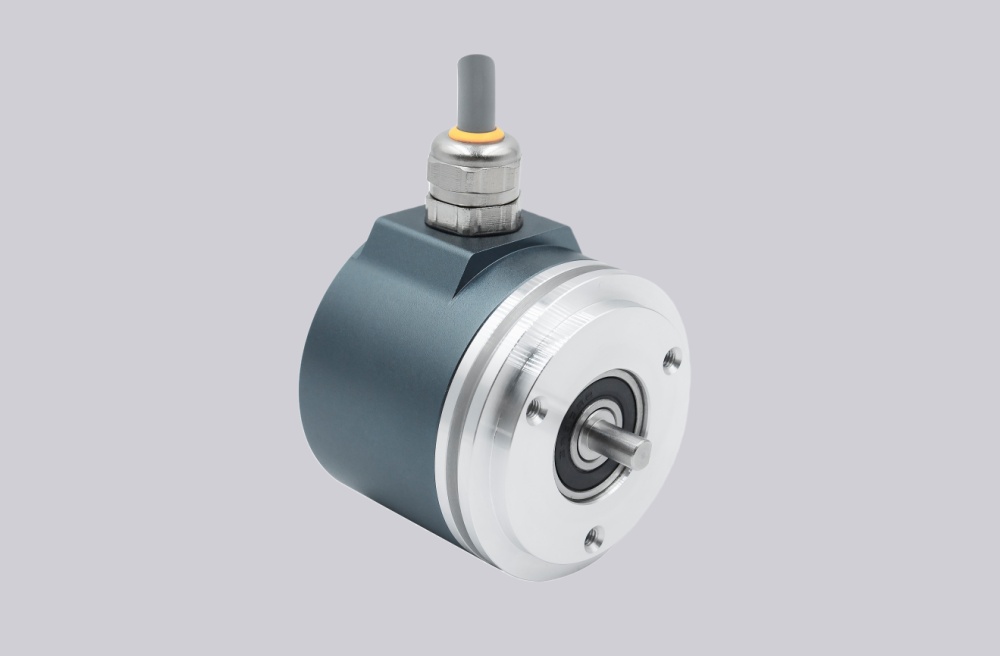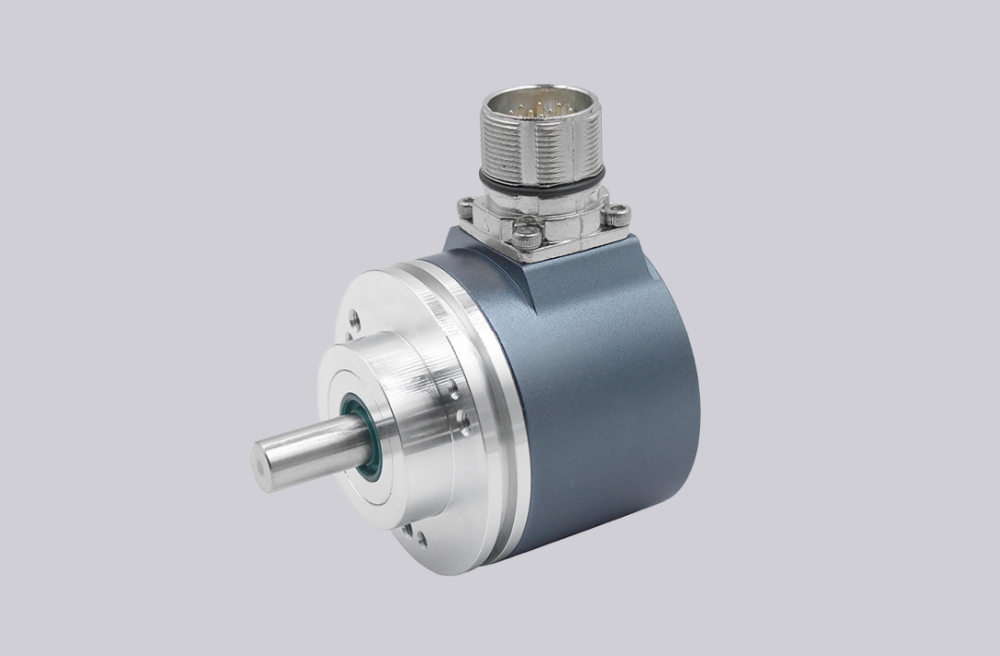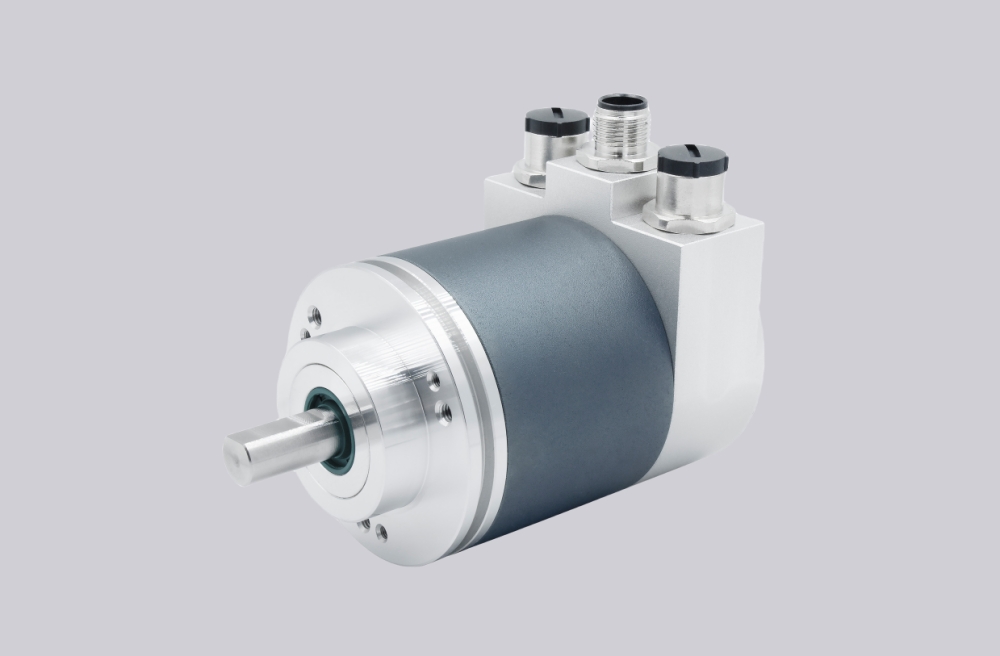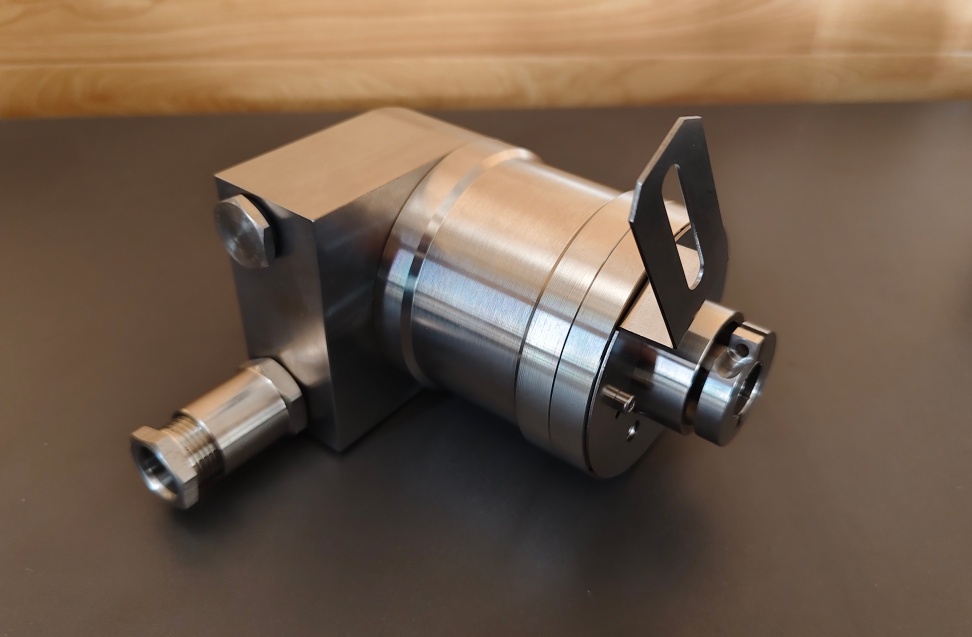





SSI, CANopen, and Profibus are all widely used encoder interfaces, but they represent very different communication concepts. In practice, selecting the right interface is not only about wiring or connector type. It depends on control architecture, commissioning method, and the role of the encoder inside the system.
SSI, or Synchronous Serial Interface, is one of the more direct ways to transmit absolute position data. In a typical SSI system, the controller sends a clock signal and the encoder returns serialized position information. This makes SSI practical for direct encoder-to-controller communication where the main requirement is position transmission without the added complexity of a full fieldbus network.
A key advantage of SSI is simplicity. The communication structure is relatively clear, and the interface is often used where deterministic position reading is required. However, SSI is not a multi-device fieldbus in the same way CANopen or Profibus are. It is typically more suitable for point-to-point integration or simple system structures.
CANopen is different because it is a bus-based communication system built on CAN technology. It allows multiple devices to share the same network and exchange structured communication. In encoder applications, CANopen is often chosen when distributed device communication, node-based configuration, and system flexibility are important.
This flexibility is useful, but it also means CANopen integration requires more protocol awareness. Node ID, baud rate, device profile, and object handling all affect system behavior. In practical terms, CANopen is a good fit when the control system is already based on CAN architecture or when multiple devices need to communicate in a structured way.
Profibus is another fieldbus option, widely used in industrial automation and PLC-centered systems. In encoder integration, Profibus allows position data, parameter handling, and diagnostics to be exchanged as part of a larger automation network. This makes it well suited to machine environments where controller-side configuration and fieldbus management are already established.
Compared with SSI, Profibus offers a much stronger network structure. Compared with CANopen, it is more closely tied to traditional PLC integration and field-level industrial automation. Profibus encoders often support address setting, scaling, preset logic, and diagnostics, which makes them useful in more structured control environments.
From an engineering point of view, the main difference between these interfaces is their system role:
- SSI is mainly for direct position transmission
- CANopen is for flexible multi-device bus communication
- Profibus is for structured PLC-oriented fieldbus integration
Commissioning behavior is also different. SSI systems depend more on timing, data framing, and signal quality. CANopen systems depend more on node configuration and communication objects. Profibus systems depend more on address setting, device description, and bus integration logic.
This means interface selection should begin with the control architecture. If the controller expects direct serial position reading, SSI may be the most efficient choice. If the machine uses CAN-based distributed communication, CANopen may be the better fit. If the system is already designed around PLC fieldbus structure, Profibus is often the more natural option.
These interfaces are not simply different electrical outputs. They reflect different integration philosophies. The best choice is the one that matches the controller, communication structure, maintenance strategy, and commissioning method of the machine.