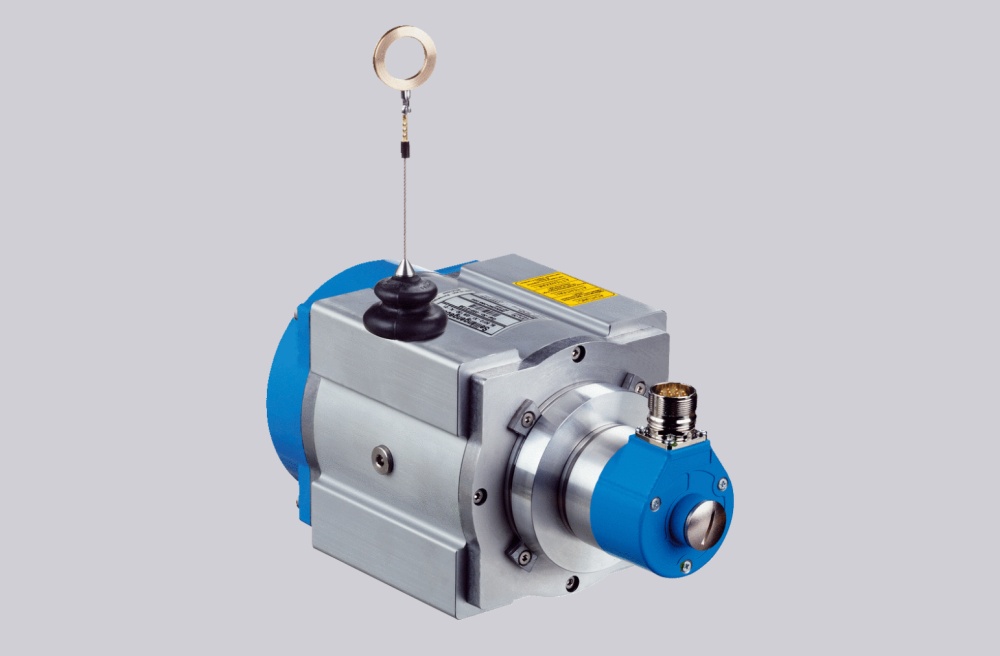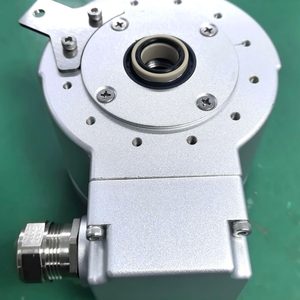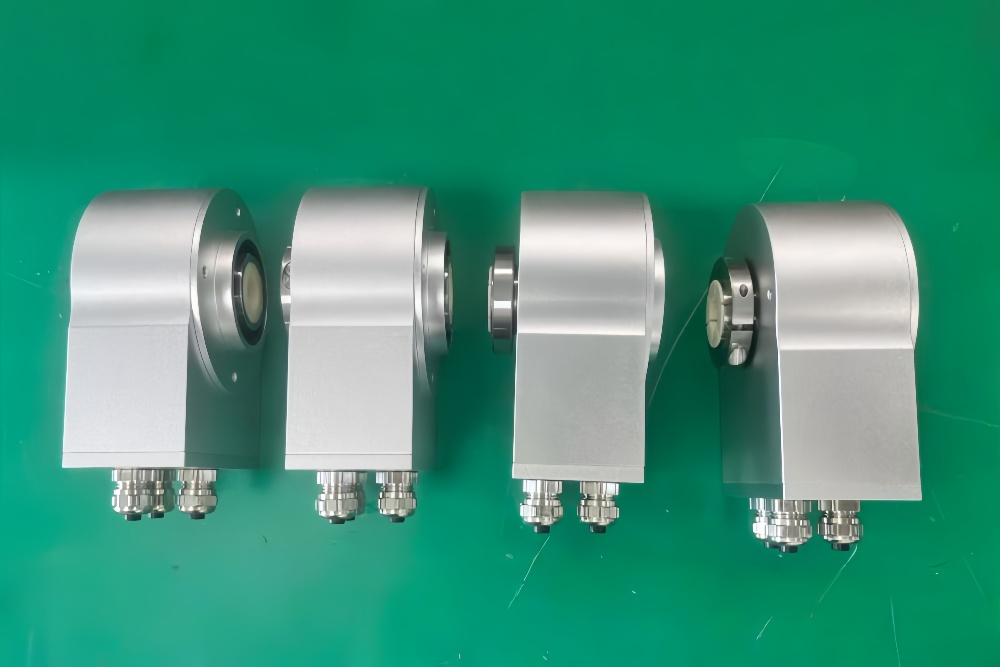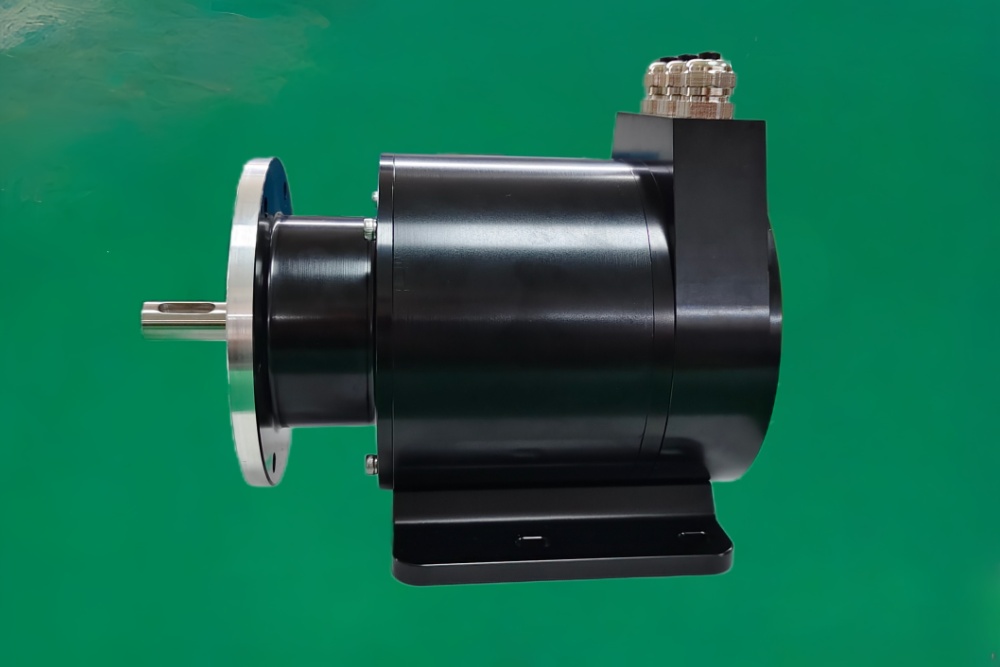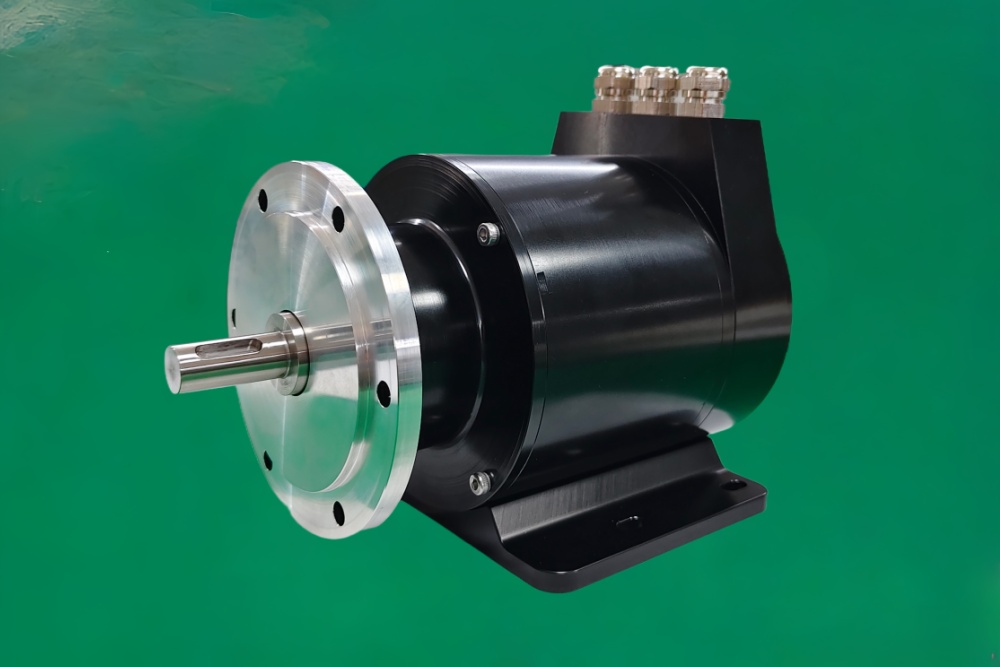




For M6C-5S3XH51-T005, EncoderWorks can configure a custom compatible replacement solution only after the 1 1/8 inch hollow-shaft bore, end-of-shaft mounting, 1024 PPR high-range output from the 51 base PPR code, terminal-block conduit connection, low-temperature torque-arm modification, A/B/Z signal requirement, hazardous-area marking, clamping-collar fit, anti-rotation bracket movement, and line-driver code are confirmed. The main failure boundary is an explosion-protected hollow-shaft feedback system that receives pulses but develops wrong speed scaling, phase reversal, housing wobble, shaft-fit stress, bearing wear, or hazardous-area wiring risk because the output range, bore engagement, terminal assignment, grounding path, or protection construction has changed. Typical production lead time: 15 working days.
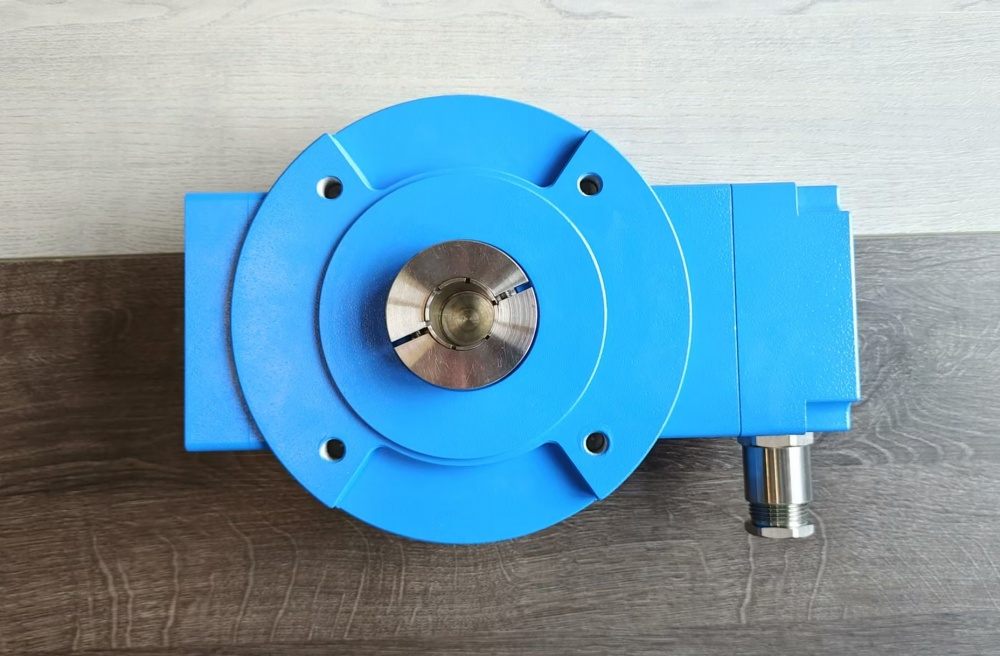
This model belongs to the M6C explosion-protected hollow-shaft incremental encoder platform. The 5 bore code points to a 1 1/8 inch shaft interface, while the S mounting code indicates end-of-shaft installation with a clamping collar and anti-rotation bracket. The XH output range indicates that one side is not used and the other side uses the high range; with base PPR code 51, the high output is 1024 PPR. The 005 modification should be treated as a low-temperature and torque-arm configuration. The only code requiring special confirmation is the line-driver digit 3, because M6C documentation lists line-driver code 8, while code 3 belongs to the related M6 line-driver table.
System Limits
The first system limit is 1024 PPR output scaling. If the drive or process controller is configured for 512, 600, 960, 1200, or another pulse value, the encoder may output clean square waves while speed, position, and process feedback become wrong. The base PPR, sensor multiplier, output side, marker requirement, and controller edge-counting mode should be checked before production.
The second limit is hazardous-area wiring and terminal-block mapping. The T connection uses a conduit box with terminal block and 3/4 inch NPT entry. The installed wiring must preserve supply, common, A, A-, B, B-, Z, and Z- as required by the machine. If the output is wired as single-ended instead of differential, if the marker is assumed but not used, or if shield and grounding conductors are not handled correctly, the system may show phase reversal, noise faults, or unsafe installation conditions.
The third limit is hollow-shaft mechanical stability. The 1 1/8 inch bore must match the motor shaft tolerance, the encoder must slide onto the shaft without force, and the clamping collar must be tightened evenly. Excessive shaft runout, insufficient shaft engagement, damaged clamping fingers, uneven collar tightening, rigid bracket mounting, or excessive housing movement can create vibration, bearing stress, signal degradation, and reduced service life.
Wiring & Installation
Before replacement, verify the nameplate code, hazardous-area marking, bore size, output range, base PPR, marker requirement, terminal-block wiring, and line-driver voltage. The line-driver digit should be checked carefully: if the installed unit is truly M6C, the expected documented line-driver code is 8; if the installed digit is 3, confirm whether the unit is actually from the M6 series or a special legacy configuration.
During mechanical installation, clean the motor shaft, check for burrs or damage, and do not tighten the clamping collar before the encoder is placed on the shaft. The encoder should slide on smoothly. The anti-rotation bracket should prevent housing rotation while allowing the required shaft end float, and it should not turn the encoder into a rigidly mounted device.
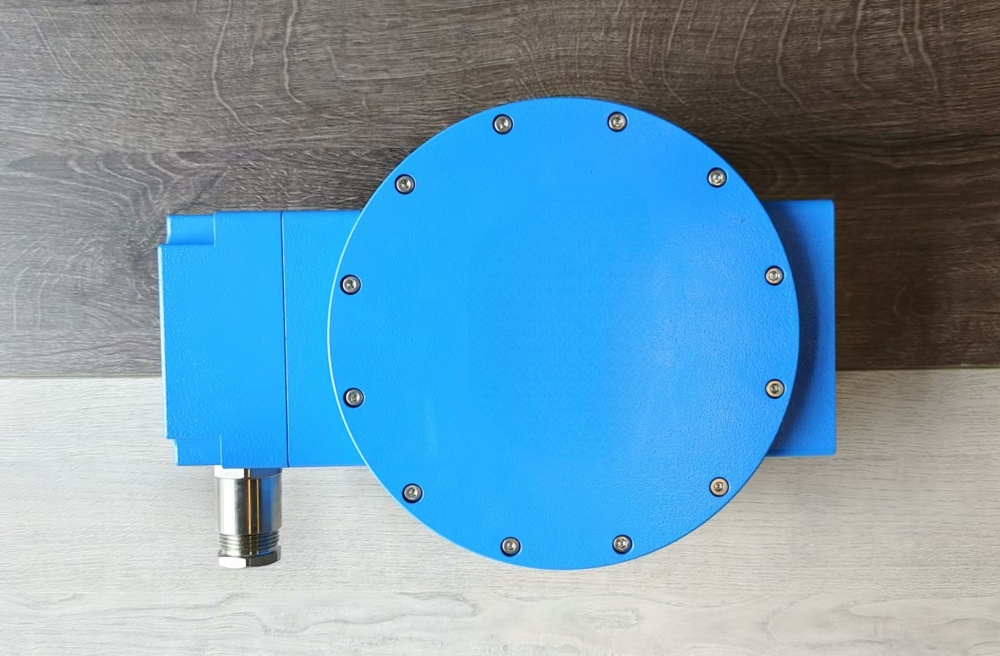
For signal stability, use individually shielded wire pairs where required, keep feedback wiring away from power cables and switching devices, and maintain proper grounding at the specified grounding location. In hazardous-area service, do not wire while energized, do not open the housing in a hazardous environment, use suitable certified cable entry hardware, and verify the IP66 sealing boundary after installation.
Custom Compatible Solution
EncoderWorks can configure the replacement around the installed explosion-protected hollow-shaft interface:
- Match the 1 1/8 inch hollow-shaft bore, end-of-shaft mounting, clamping-collar fit, anti-rotation bracket geometry, and torque-arm modification
- Preserve the 1024 PPR high-range output from the 51 base PPR code, A/B phase behavior, marker requirement, output side arrangement, and controller input compatibility
- Review the line-driver code, supply voltage, terminal-block wiring, grounding path, shielded cable routing, hazardous-area marking, and IP66 entry sealing
- Check shaft engagement, shaft runout, collar tightening, housing wobble, bearing load, and low-temperature operating requirement before shipment
Key Data
| Item | Data |
|---|---|
| Model | M6C-5S3XH51-T005 |
| Encoder type | Explosion-protected hollow-shaft incremental encoder |
| Series | M6C |
| Bore code | 5 |
| Bore size | 1 1/8 inch |
| Mounting style | S, end-of-shaft mounting |
| Output range | XH, one side none / one side high range |
| Base PPR code | 51 |
| Effective PPR | 1024 PPR on high range |
| Marker | Not clearly shown in code; confirm installed requirement |
| Connector | T, conduit box terminal block, 3/4 inch NPT |
| Modification | 005, low temperature and torque arm |
| Hazardous-area marking | Ex de IIB T4 Gb boundary for M6C series |
| Protection class | IP66 |
| Frequency range | 0–250 kHz for M6C series |
| Line-driver note | Code 3 requires confirmation; M6C documentation lists line-driver code 8 |
| Key replacement checks | Bore fit, output range, line-driver code, terminal mapping, anti-rotation bracket, clamping collar, grounding, hazardous-area sealing |