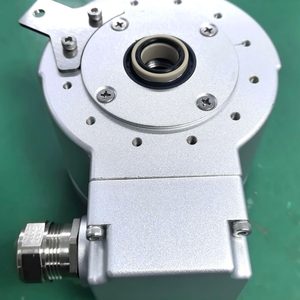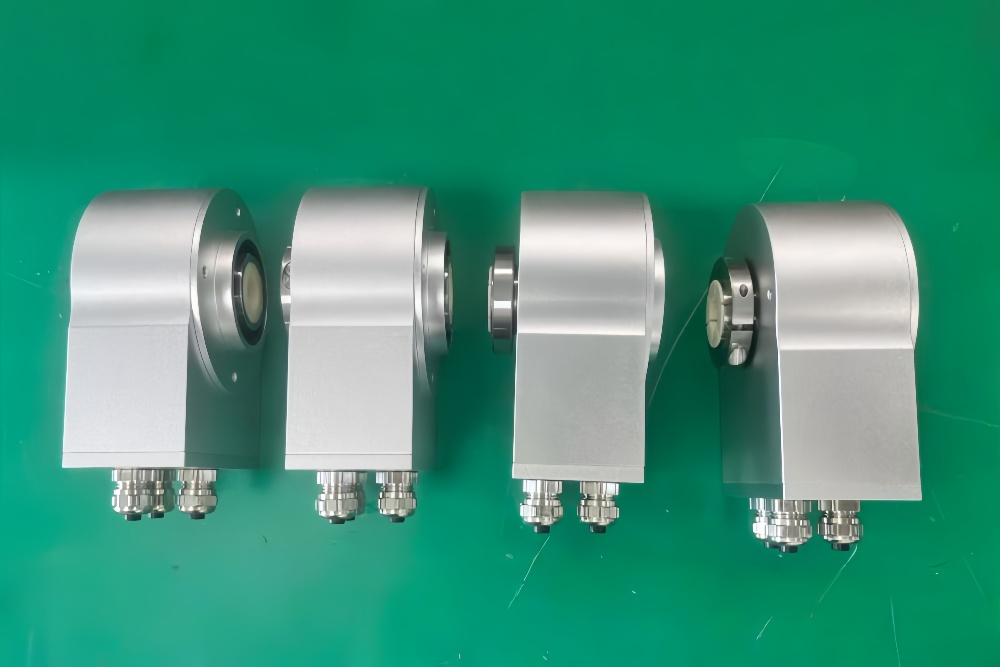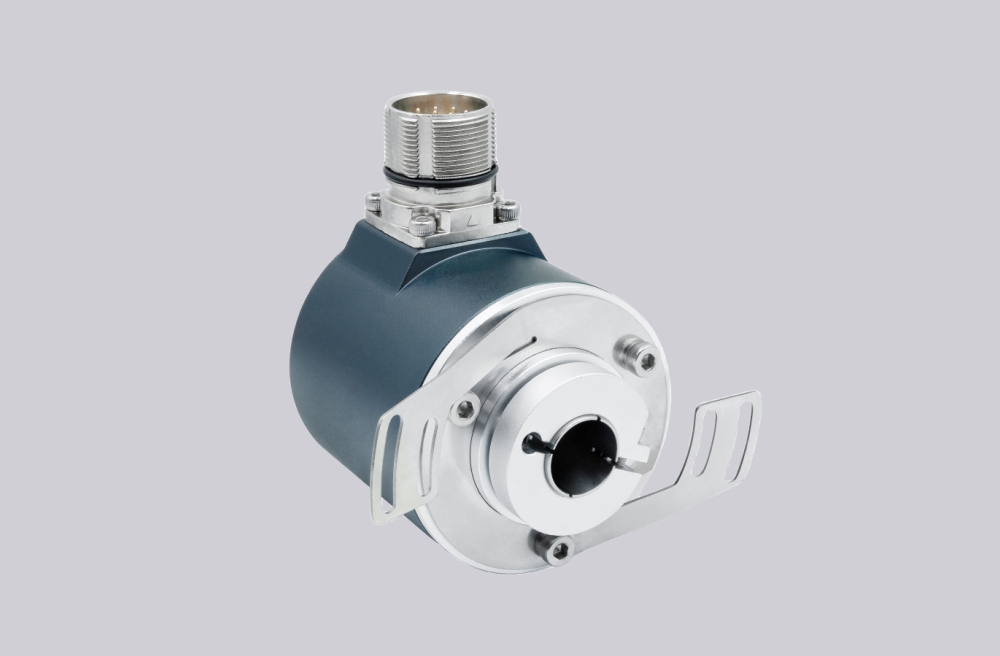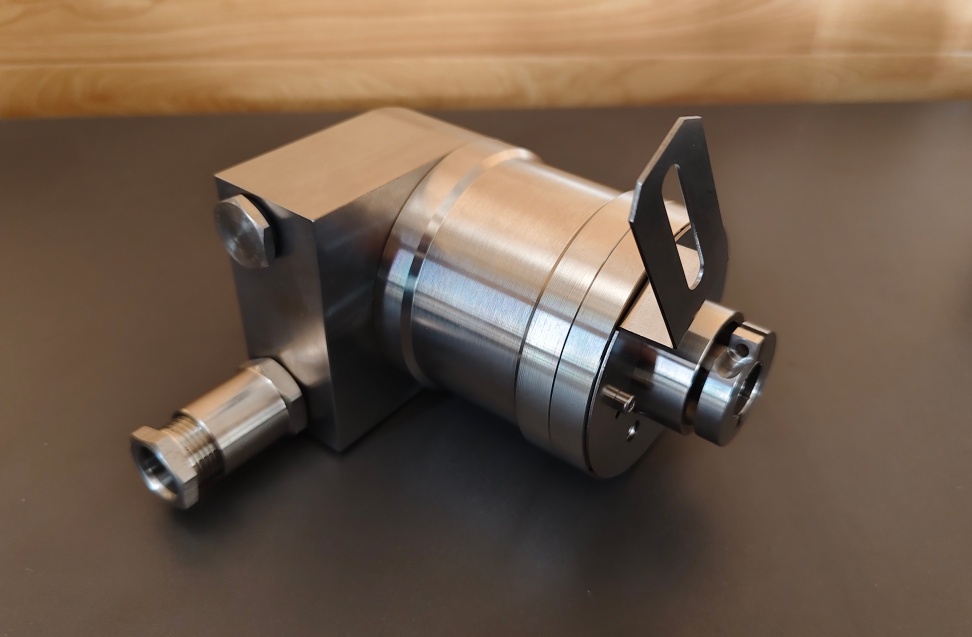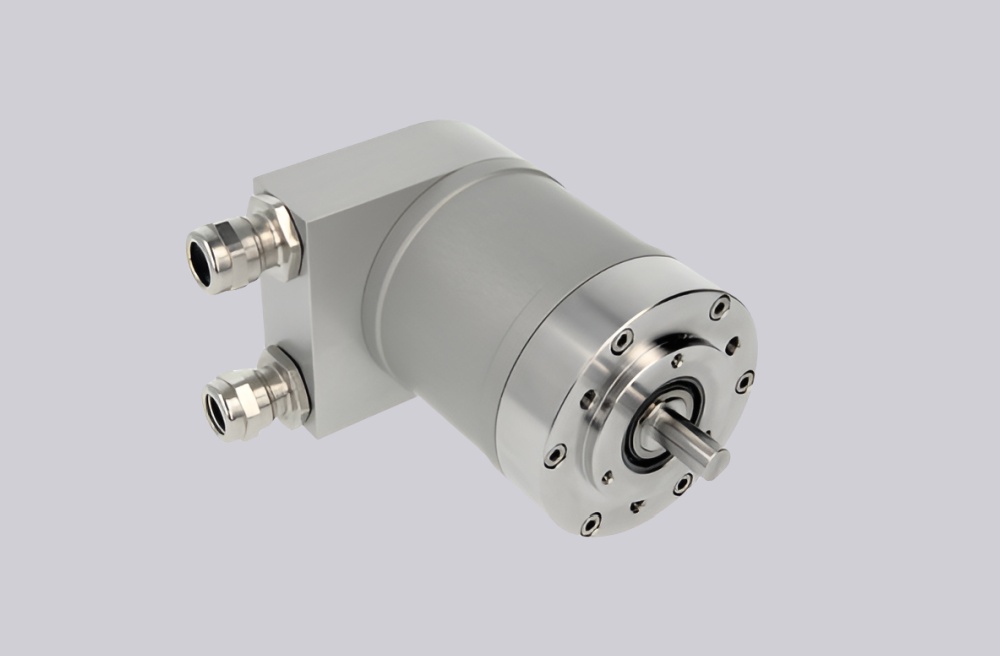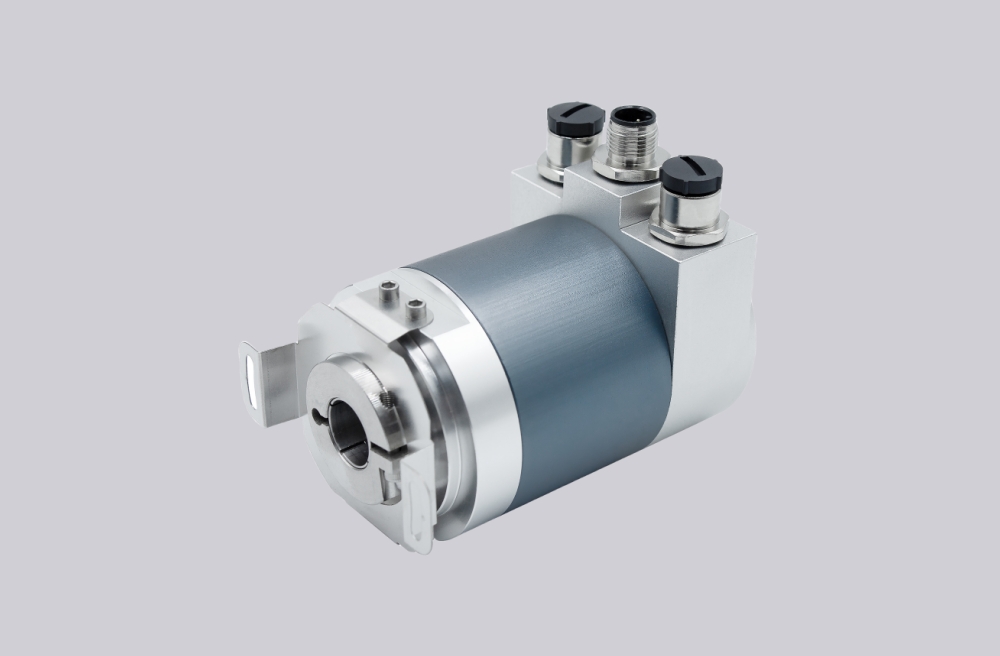




A custom compatible replacement for EVM78E-01100RPBI-1413 has to preserve more than a 13-bit/14-bit absolute value; EncoderWorks must match the PROFINET device behavior, GSDML configuration, IRT/RT cycle timing, binary scaling, Inox flameproof housing envelope, radial terminal-compartment wiring, and ø10 mm solid-shaft coupling. If the network identity or scaling is different, the PLC may see a healthy device while the machine receives the wrong multiturn position. Typical production lead time: 15 working days.
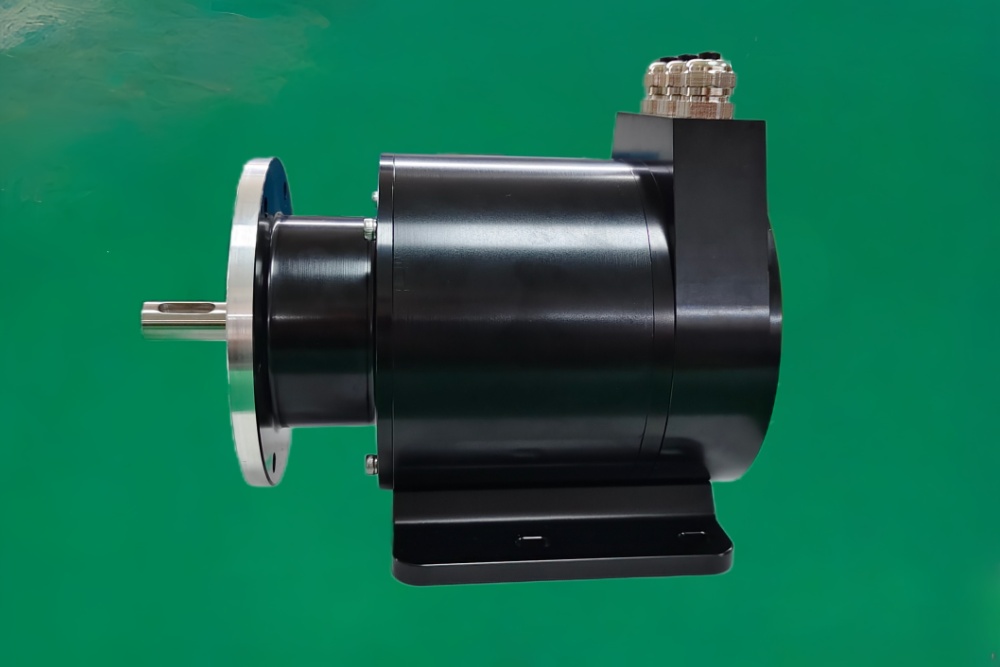
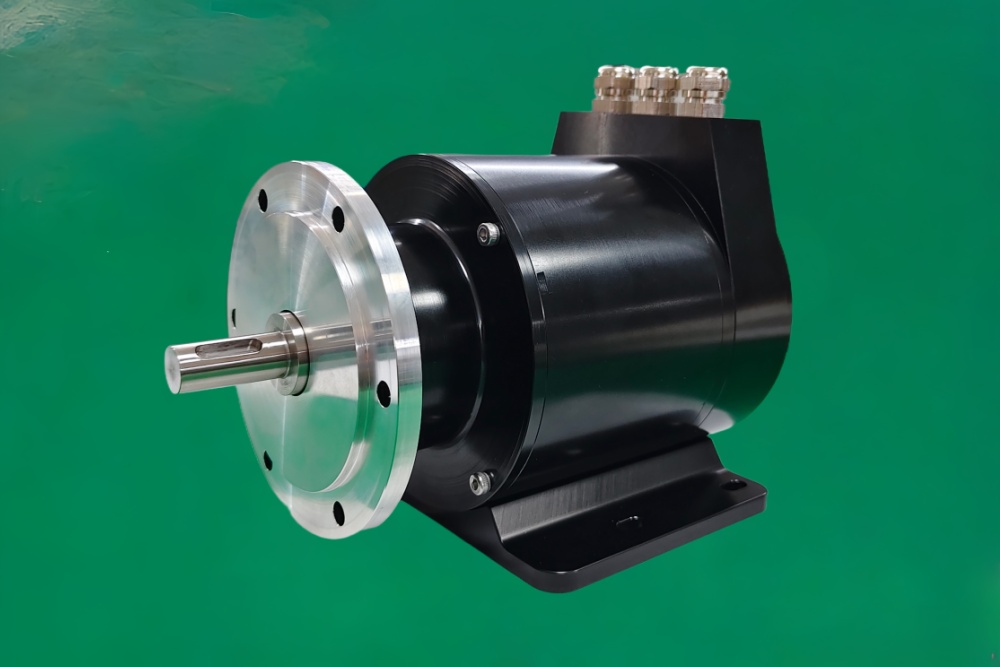
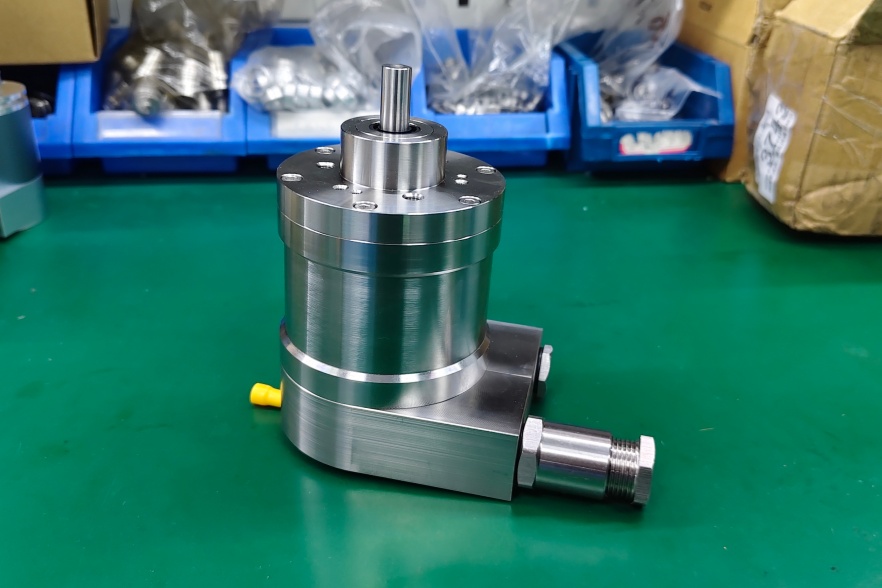
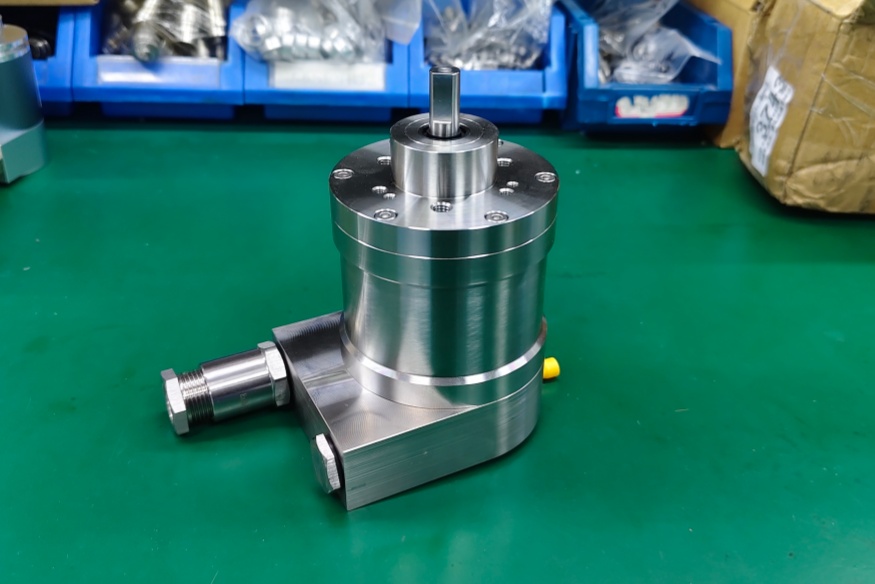
This model belongs to the EVM78E PROFINET multiturn absolute encoder family. The configuration combines 13-bit singleturn resolution, 14-bit multiturn range, binary output code, 10–30 VDC supply, a 78 mm flameproof housing, Inox 1.4404 mechanical construction, clamping flange, ø10 mm × 20 mm solid shaft, radial cable exit, and terminal compartment connection without preinstalled cable glands. Replacement work should focus on PROFINET project compatibility, device name, IP assignment, GSDML file, cyclic data layout, preset, counting direction, shield grounding, cable-gland selection, and coupling preload.
System Limits
The first system limit is PROFINET commissioning. Device name, IP address, GSDML file, IRT or RT class, update time, data length, preset value, scaling, and counting direction must match the existing PLC project. A replacement can communicate correctly but still fail the axis if its position format or parameter set does not match the original configuration.
The second limit is Ex and EMC installation. This encoder uses a flameproof enclosure and terminal compartment, so cable entry, grounding, sealing, and shield bonding must be handled as part of the replacement, not as minor accessories. Poor shield termination or cable routing near motor power lines can create intermittent PROFINET diagnostics and position dropouts.
The mechanical limit is the ø10 mm solid shaft with clamping flange. Coupling misalignment, axial preload, radial load, impact on the shaft, or housing stress can shorten bearing life and create repeatability drift under vibration, even when the PROFINET data remains stable.
Wiring & Installation
Before replacement, record the PLC hardware configuration, GSDML file, device name, IP address, IRT/RT setting, position data format, preset value, scaling, counting direction, diagnostics, and terminal-compartment wiring. Confirm the cable-gland specification and whether the installed unit uses Ex-approved cable entries or stopping plugs.
During installation, align the ø10 mm shaft coupling without axial force and keep the clamping flange square to the mounting face. Route the Ethernet and power wiring away from inverter and motor cables, bond the shield with a low-impedance connection, and keep the terminal compartment sealed after wiring. After startup, verify online status, actual position, multiturn counting, direction, preset response, diagnostics, and repeatability over several machine cycles.
Custom Compatible Solution
EncoderWorks can configure the replacement around the installed PROFINET and mechanical system:
- Match 13-bit singleturn plus 14-bit multiturn binary absolute position behavior
- Preserve PROFINET device identity, GSDML compatibility, IRT/RT cycle timing, scaling, preset, direction, and diagnostics
- Adapt the ø78 mm Ex housing envelope, Inox construction, clamping flange, ø10 mm solid shaft, and radial terminal-compartment layout
- Review cable-gland requirements, shield grounding, terminal mapping, EMC routing, coupling preload, and hazardous-area installation limits
Key Data
| Item | Data |
|---|---|
| Model | EVM78E-01100RPBI-1413 |
| Encoder type | Absolute multiturn encoder |
| Interface | PROFINET |
| Resolution | 13-bit singleturn + 14-bit multiturn |
| Overall range | Up to 30-bit family range |
| Output code | Binary |
| Supply voltage | 10–30 VDC |
| Housing | Flameproof, Inox 1.4404 / AISI 316L |
| Flange | Clamping flange |
| Shaft | ø10 mm × 20 mm solid shaft |
| Connection | Radial terminal compartment, without cable glands |
| Protection | IP66 |
| Key checks | GSDML, device name, IP, IRT/RT cycle, scaling, shield grounding |