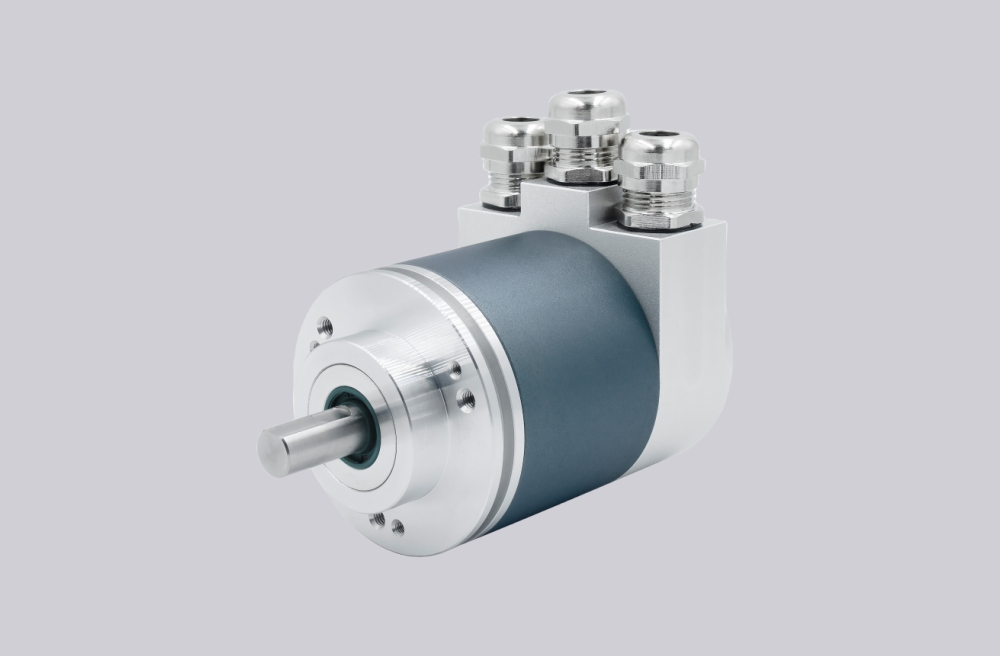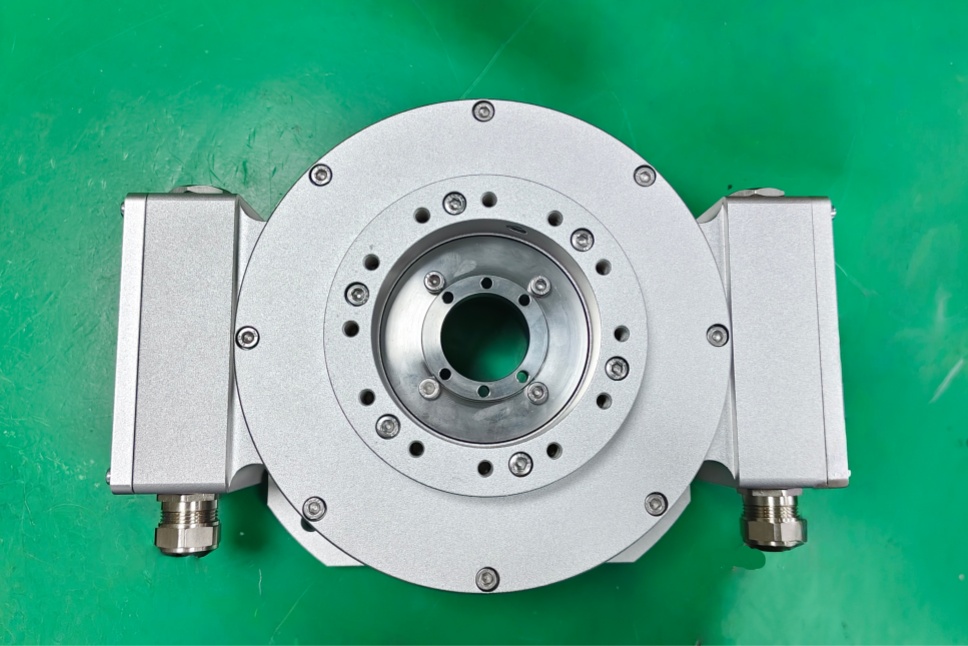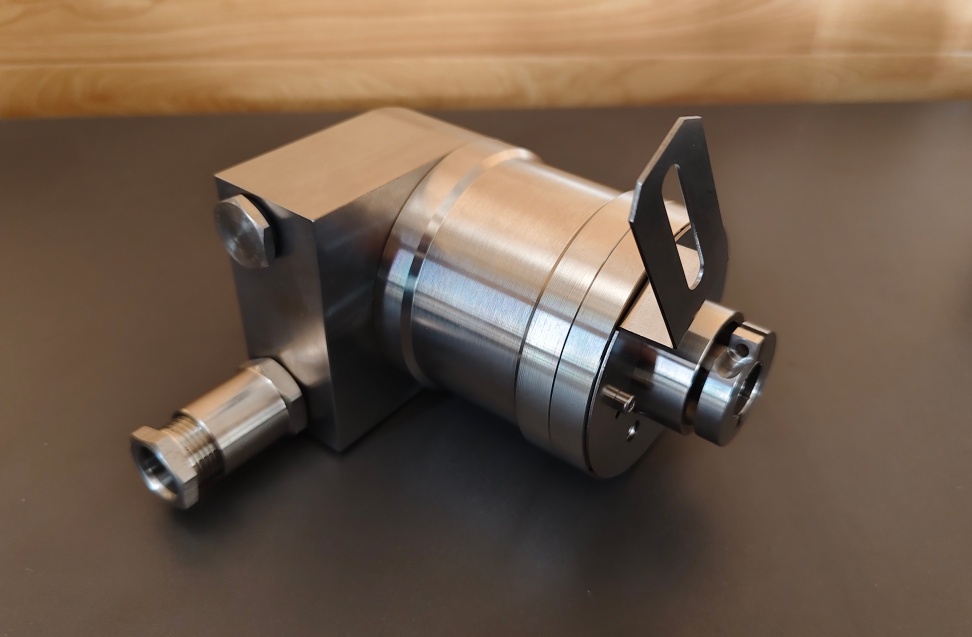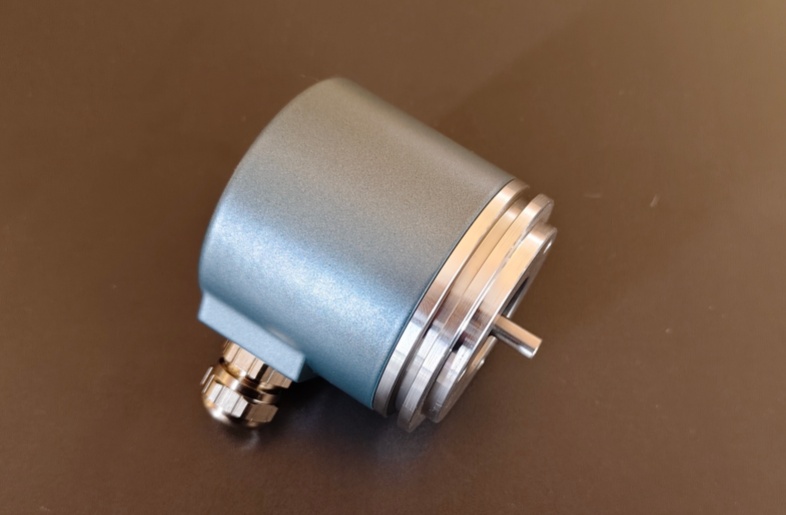




In steel and metallurgical systems, encoder selection is often constrained by mechanical structure, environmental conditions, and control system requirements rather than standard catalog specifications. As production lines become more complex and operate under higher load and temperature conditions, standard encoder configurations are not always sufficient to meet long-term stability and integration demands.
In practical applications, encoders are typically used in rolling mills, continuous casting equipment, lifting systems, and conveyor systems where precise position or speed feedback is required. These environments often involve vibration, high temperature, dust, and limited installation space. Under such conditions, small deviations in mechanical structure or signal matching can lead to instability in the control system.
Encoder customization in this context is not a trend driven by preference, but a result of engineering constraints. In many projects, standard products cannot fully match shaft dimensions, mounting interfaces, signal formats, or system communication protocols. Customization allows the encoder to be adapted to the existing installation conditions and control logic, reducing the need for mechanical modification or system redesign.

Two common practical drivers can be observed in metallurgical applications. The first is delivery and availability constraints. In some cases, standard or previously used encoders may have long lead times, which directly affects maintenance schedules and production continuity. A customized solution can provide a compatible configuration within a shorter timeframe, ensuring that equipment downtime is minimized.
The second driver is the replacement of legacy or discontinued models. Many production lines operate for long periods, and original encoder models may no longer be available. In such cases, the key challenge is not to find an identical product, but to develop a configuration that matches the original mechanical interface, electrical characteristics, and control system behavior. Customization enables this type of compatibility-focused replacement.
From an integration perspective, successful encoder customization depends on several factors, including interface definition, signal compatibility, installation dimensions, environmental protection, and long-term reliability. In metallurgical environments, attention must also be given to vibration resistance, sealing performance, and temperature stability to ensure continuous operation.
It is important to note that encoder customization is not simply a modification of parameters, but a system-level adjustment process. The goal is to achieve consistency between the encoder, the mechanical structure, and the control system. In many cases, a well-matched customized encoder provides more stable performance than a standard high-specification product that does not fully fit the application.
In modern steel and metallurgical systems, the role of encoder customization is closely related to equipment lifecycle management, maintenance strategy, and system upgrade requirements. Rather than focusing on specification comparison alone, the practical approach is to evaluate how the encoder fits into the overall system architecture.
This article outlines the main engineering considerations behind encoder customization in metallurgical applications and explains how compatibility, rather than nominal performance, determines the success of implementation in real industrial environments.