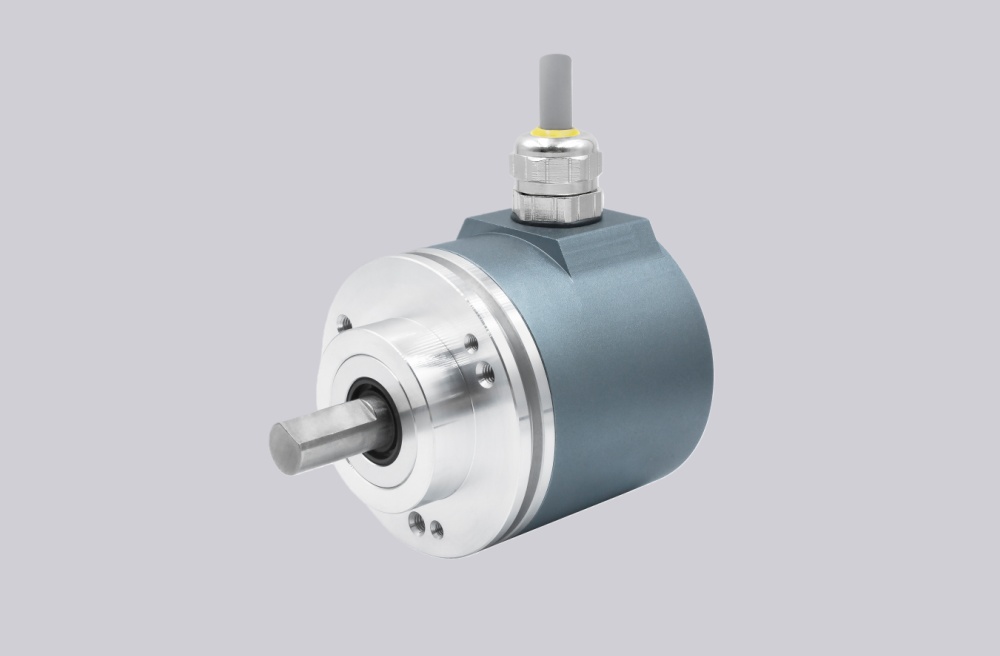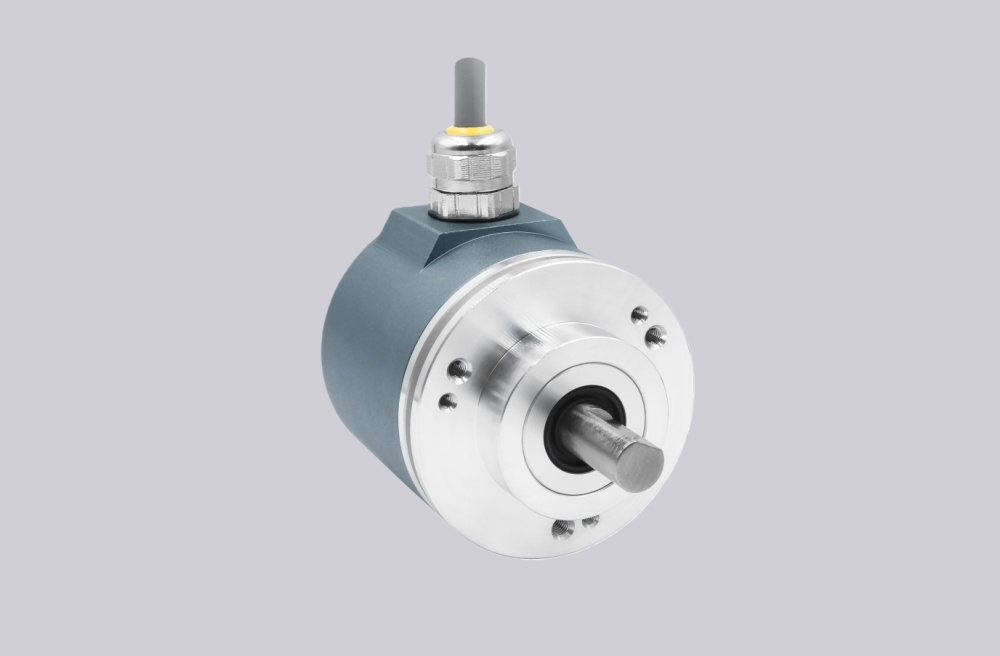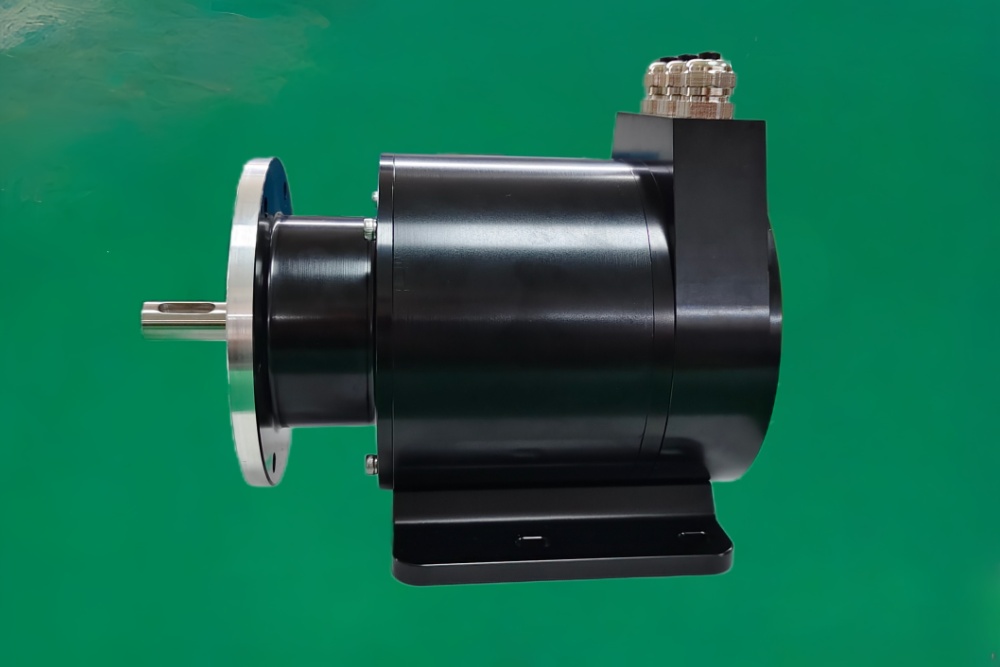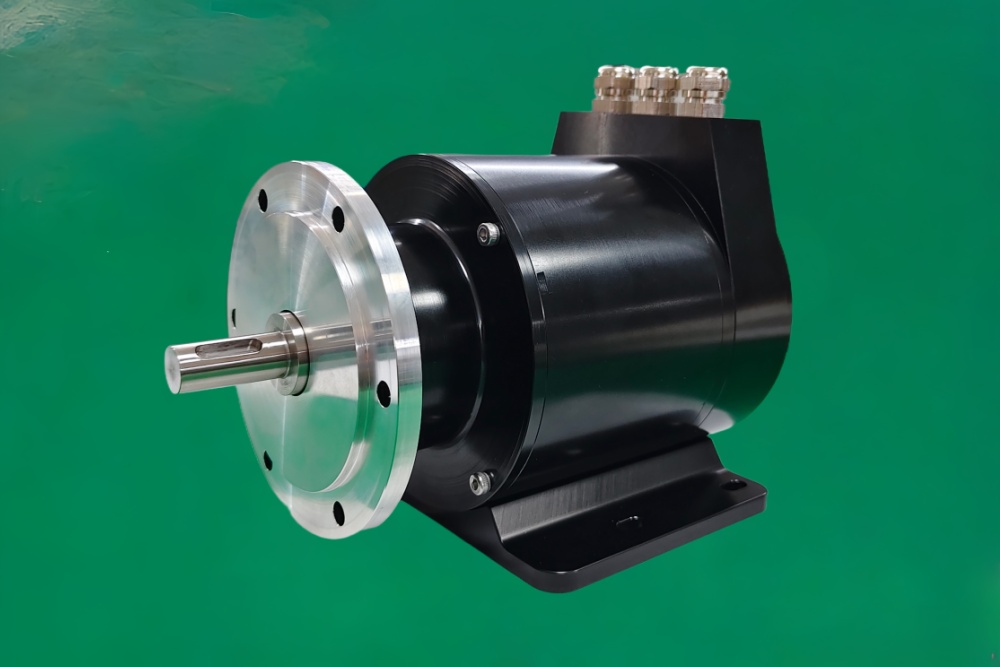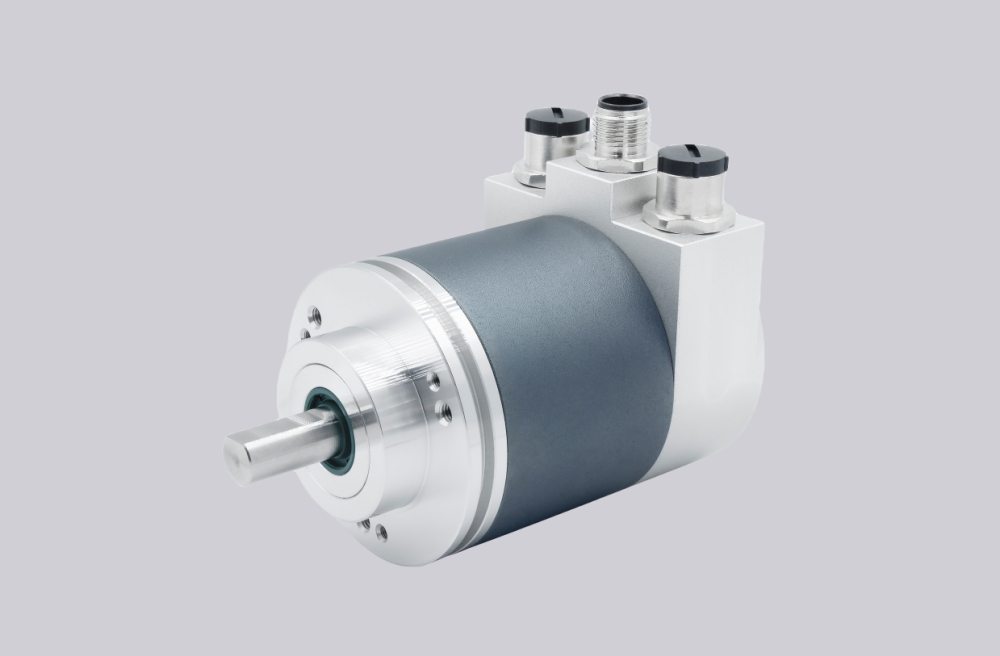




In an EncoderWorks replacement for RVI58X-032K6R61N-00360, the first risk is the K6 cable variant, Ø6 mm servo-flange centering, and 360 PPR signal agreement in an ATEX-rated installation. This model should not be treated as the same case as an 011 clamping-flange version. The smaller shaft interface and possible cable-code variation must be checked before the encoder is accepted as a compatible replacement.
The RVI58X-032K6R61N-00360 is an ATEX incremental rotary encoder with Ø58 mm hazardous-area housing, 032 solid shaft with Ø6 mm x 10 mm servo flange, radial cable exit, six-channel A/B/0 output with inverted signals, 10–30 VDC push-pull switching, and 360 PPR resolution. The RVI58X platform is designed for Zone 2 and Zone 22 hazardous-area use, with ATEX approval, cable output, servo or clamping flange options, and pulse counts up to 5000 PPR.
The first failure boundary is the 032 servo flange. A Ø6 mm shaft cannot tolerate coupling eccentricity, angular error, or side load being corrected by the encoder bearings. The RVI58X data gives axial 40 N and radial 60 N shaft-load limits, but those values should be treated as boundaries, not normal installation preload.
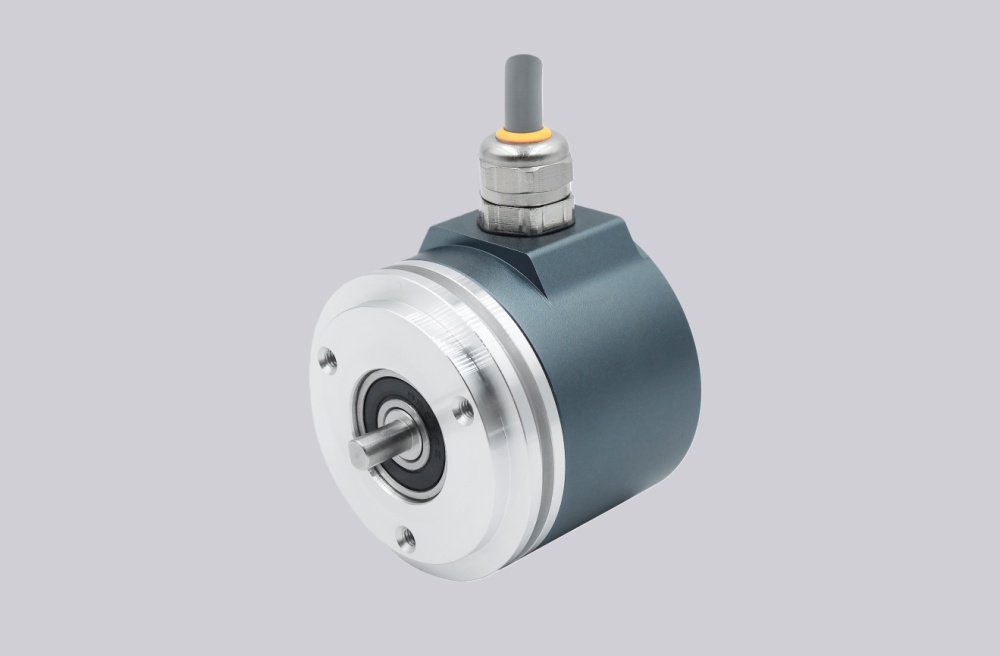
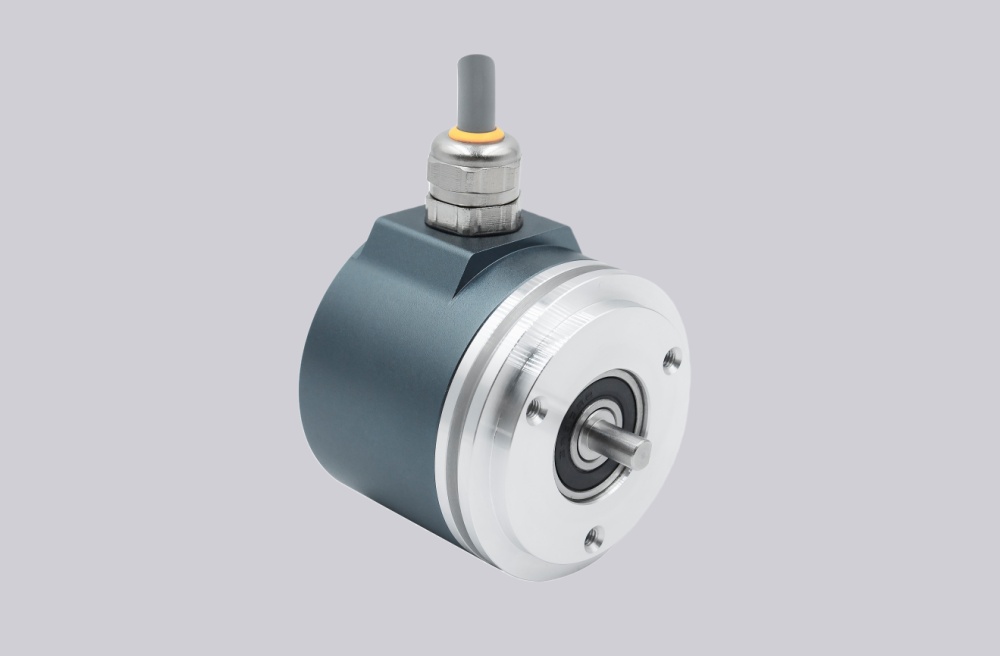
This replacement fails when the encoder outputs valid 360 PPR pulses, but the feedback becomes unstable because servo-flange centering or coupling alignment transfers load into the shaft. The fault may look like signal noise, while the first problem is mechanical.
The second boundary is the K6 code. The visible type-code table clearly defines K1 as the standard Ø7.8 mm cable version, while K6 is not shown in that table. For this reason, K6 should be treated as a cable or customer-specific variant that must be verified against the original drawing, cable length, conductor assignment, gland orientation, and site documentation before approval.
Signal mapping still matters at 360 PPR. The RVI58X output includes A, B, 0 and inverted A, B, 0 channels. Even at a low pulse count, a wrong inverted channel, missing zero pulse, or weak shield connection can affect direction recognition, reference handling, or noise margin at the receiving counter.
ATEX suitability must remain part of the replacement decision. The encoder family carries hazardous-area markings for gas and dust applications, and the replacement should not be downgraded to a non-ATEX encoder where Zone 2 or Zone 22 approval is required.
The replacement decision should first confirm ATEX marking, exact K6 cable specification, 032 servo-flange geometry, coupling alignment, radial cable routing, A/B/0 plus inverted channel mapping, 10–30 VDC push-pull compatibility, 360 PPR counter setup, shield grounding, and zero-pulse handling. EncoderWorks treats RVI58X-032K6R61N-00360 as an industrial encoder custom compatible solution where cable-code verification and servo-flange mechanics decide field reliability.
Typical production lead time: 15 working days.
Key Data
| Item | Data |
|---|---|
| Model | RVI58X-032K6R61N-00360 |
| Encoder type | ATEX incremental rotary encoder |
| Housing | Ø58 mm hazardous-area design |
| Shaft / flange | 032, Ø6 mm x 10 mm with servo flange |
| Connection | K6 cable variant, radial exit |
| Signal output | A, B, 0 and inverted A, B, 0 |
| Output switching | 10–30 VDC push-pull |
| Pulse count | 360 PPR |
| Output frequency | Max. 200 kHz platform limit |
| Application class | Zone 2 / Zone 22 hazardous areas |
| Main engineering anchor | Servo flange and K6 cable variant |
| Main failure boundary | Unverified cable variant, servo coupling preload, wrong channel mapping, ATEX mismatch |