



EncoderWorks EncoderWorks
  • Home
  • Solutions
    • SSI
    • RS485 / Modbus-RTU
    • CANopen
    • Analog
    • Profinet
    • Profibus
    • Parallel
    • EtherCAT
    • EtherNET
    • Incremental
  • Absolute Encoder
  • Incremental Encoder
  • Draw Wire Sensors
  • Technical Insights
  • Contact
Home › Incremental Encoder › 14-1436X-1000 Incremental Encoder Industrial Feedback

14-1436X-1000 Incremental Encoder Industrial Feedback

EncoderWorks Team
11 monthsago

We developed a custom solution for the 14-1436X-1000 encoder, intended for hazardous-area rotary feedback systems where higher pulse density is required, but the installation must still remain controllable under real industrial wiring and load conditions. This configuration sits above the low-pulse stability range and enters a more frequency-sensitive operating zone. It provides finer feedback detail than low-pulse versions, but it also reduces electrical margin and demands stricter control over signal routing, grounding, and interface matching. This is not the safest choice in the series. It is the choice for systems that genuinely need more feedback detail and can support the higher signal burden without losing counting reliability. Typical production lead time: 15 working days.

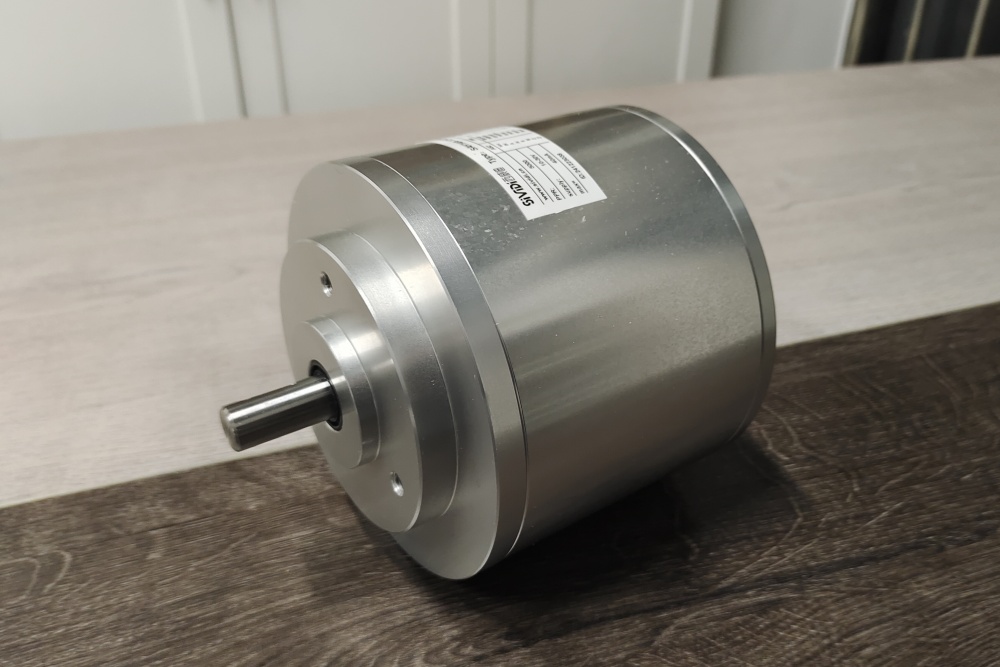
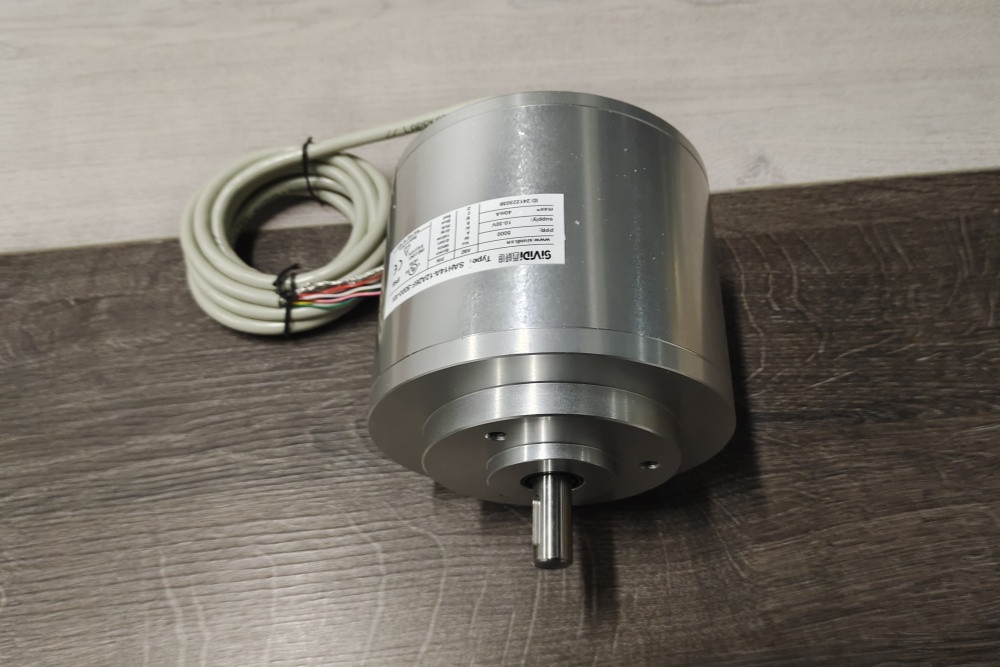
Custom Solution Photos

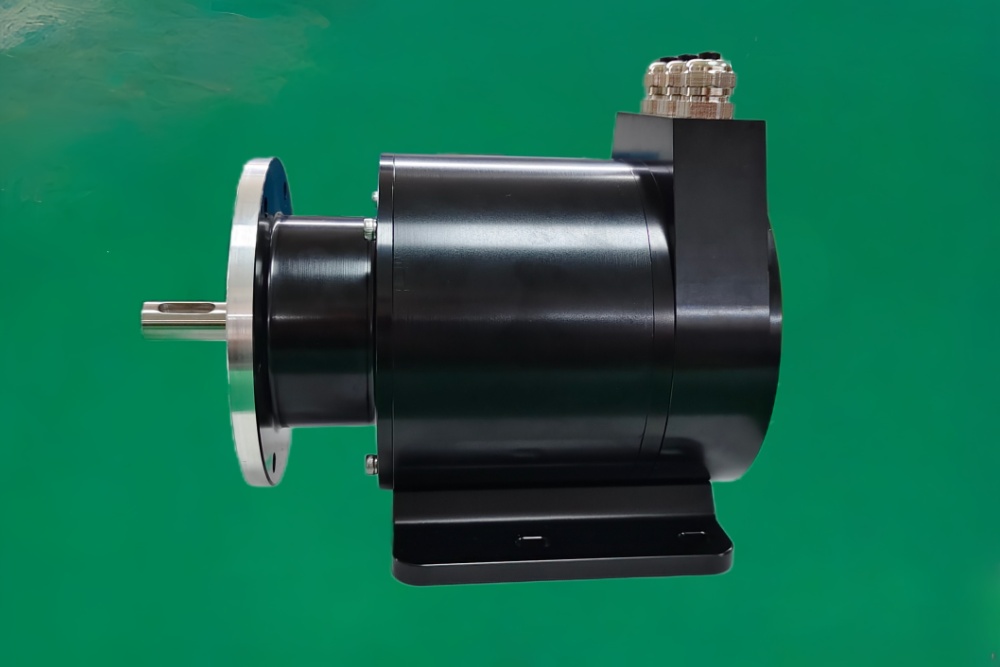
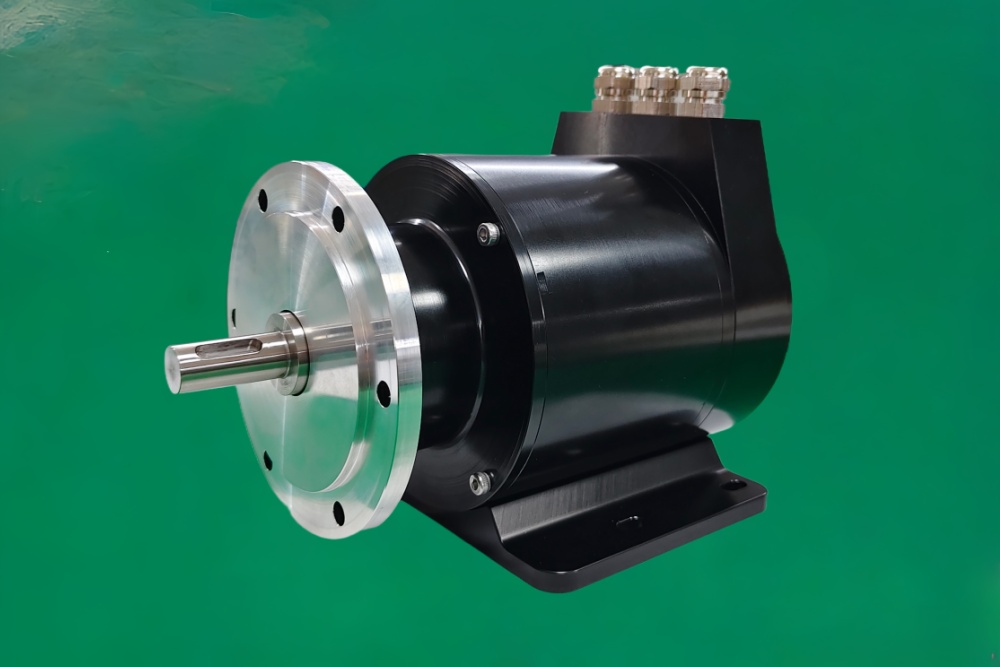
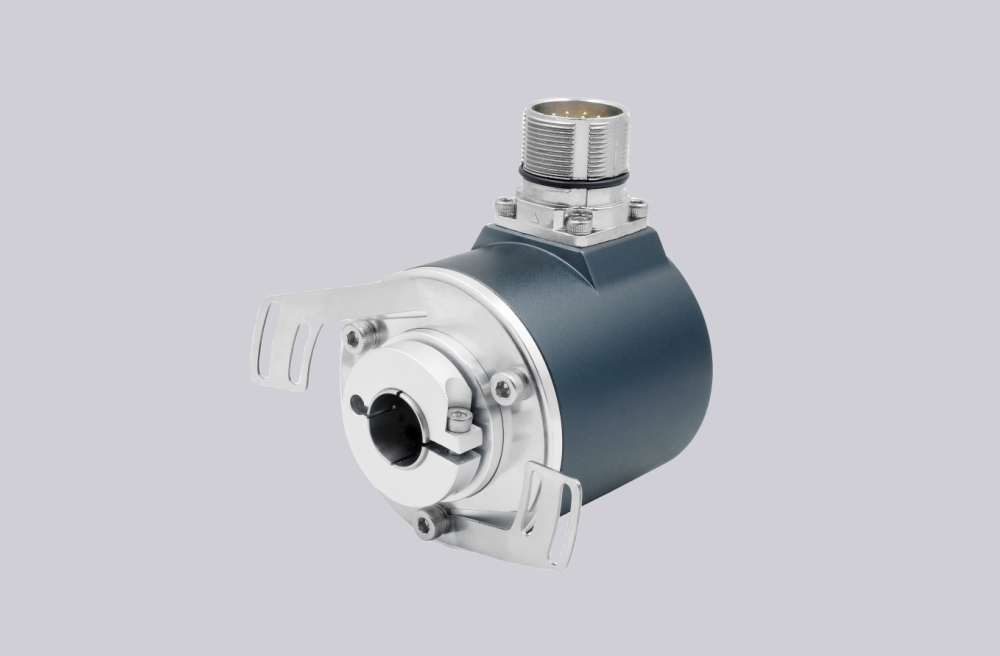
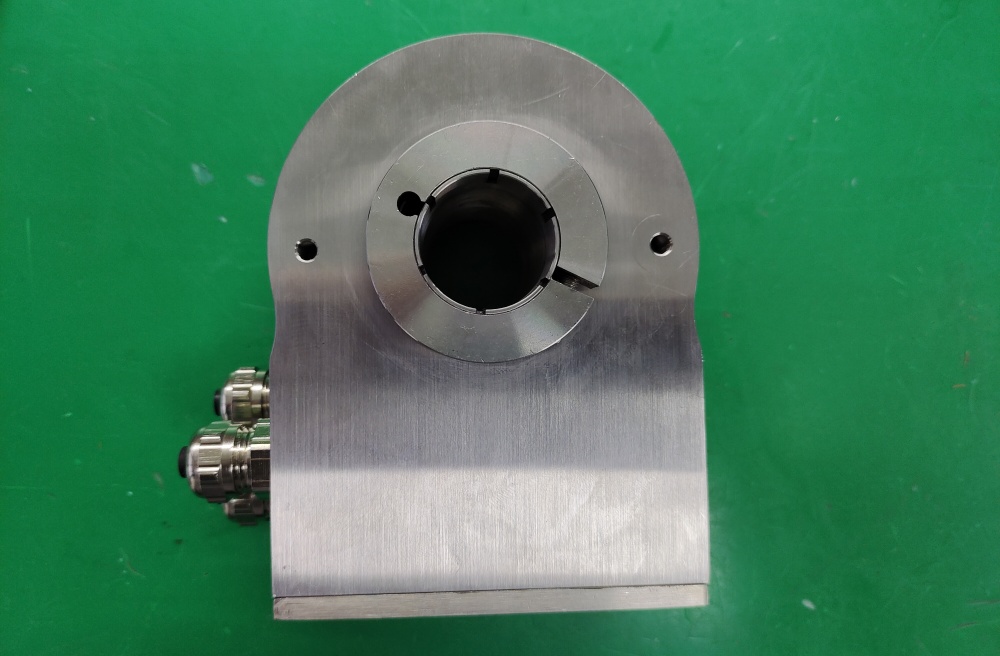
14-1436X-1000 Incremental Encoder Industrial Feedback-EncoderWorks

Custom solution photos can be placed here to show the shaft structure, flange form, cable outlet direction, and installation details for the 14-1436X-1000 configuration.

System Limits

This configuration is limited by signal quality and frequency margin, not by basic mechanical capability.

At 1000 ppr, the encoder family no longer operates with the wide electrical margin seen on low-pulse versions. The signal burden rises, the usable speed window narrows, and the system becomes more dependent on wiring discipline and controller input quality. The core engineering point is simple: this version does not usually fail because the shaft cannot turn. It fails because the electrical side of the system reaches its limit first. The family is specified for 100 kHz maximum output frequency, and once pulse count increases into this range, the gap between usable operating speed and electrical ceiling becomes much smaller.

Priority of limits in this version is clear:

  • Signal integrity becomes unstable before the mechanical structure is fully challenged
  • Frequency margin is reduced enough that controller tolerance and EMC quality become decisive

This configuration is therefore valid only when the system actually needs this feedback density and the control side can process it without signal distortion. When the application does not require that level of pulse detail, a lower-pulse version is the better engineering choice because it preserves wider speed margin and better noise tolerance.

Installation and Wiring Constraints

This is still a heavy-duty machine encoder, and the mechanical platform is robust. The family is specified for 6000 rpm maximum speed, 80 N radial load, and 60 N axial load, so the structure itself is not the weak point in ordinary installations. The risk begins when users assume that mechanical robustness automatically guarantees stable feedback. It does not. In this pulse range, electrical installation errors create failure earlier than shaft load does.

The encoder signal must be treated as a controlled differential transmission path. RS422 is the correct interface direction for this pulse level, but interface type alone is not enough. Twisted, shielded cable is required. Encoder routing must stay away from motor power lines and inverter output cables. Ground reference mistakes, poor shielding practice, or parallel cable routing will degrade edge quality and make counting unreliable. This version is much less tolerant of casual wiring than low-pulse models in the same series. Flameproof construction protects hazardous-area compliance, but it does not protect signal integrity.

Field boundary:

  • Long cable without proper isolation → signal becomes invalid before full usable speed is reached
  • High-noise installation without strict shielding control → pulse edges cannot be trusted
  • Controller input with limited high-frequency tolerance → counting becomes unstable before mechanical speed limit is reached

Replacement and Interface Mapping

  • Direct replacement is valid only when the control system supports RS422 incremental A/B/Z input and can process higher pulse frequency without instability.
  • 1000 ppr is suitable when the system requires more feedback detail than low-pulse versions can provide, but does not need the tighter boundary of the highest pulse-count variants.
  • This configuration is not usable in installations where long cable routing, grounding quality, or EMC control cannot be managed properly.
  • Cable outlet, connection form, and interface details can be adjusted within the custom solution scope.

Delivery and Customization Scope

This solution can be customized in cable configuration, output form, connection method, and mechanical interface details according to the target control system. Typical production lead time: 15 working days.

Key Data

  • Model: 14-1436X-1000
  • Type: Incremental encoder
  • Resolution: 1000 ppr
  • Output: RS422 differential
  • Supply voltage: 10 ... 30 VDC
  • Maximum output frequency: 100 kHz
  • Maximum speed: 6000 rpm
  • Shaft load: 80 N radial / 60 N axial
  • Protection rating: IP66
  • Structure: heavy-duty shaft, flameproof enclosure

Industrial Encoder Technical Consultant

Contact Support

WeChat: +86 150 5045 0799 (WhatsApp)

Email: sividi360@outlook.com

Industrial Encoder Technical Consultant

Contact Support

WeChat: +86 150 5045 0799 (WhatsApp)

Email: sividi360@outlook.com

14-1436X-360 Incremental Encoder Mid Pulse Stability

Previous

14-1436X-1024 Incremental Encoder High Resolution Output

Next

EncoderWorks Team

WeChat:+86 150 5045 0799 (WhatsApp)Email:sividi360@outlook.com
1311
Posts
0
Comments
0
Likes

Articles

FGHJ40SS-2048G-90G-NG/20P Dual 15-Pole EMC Plugs and 2048 Edge Agreement
FGHJ4S-1024G-90G-NG/20P Plug Pin Mapping and Legacy Shaft Fit
FGHJ40S-1024G-90G-NG/20P 15-Pole EMC Plug and NG Pin Assignment
FGHJ4KK-2048G-90G-NG/20P Dual-Channel Edge Loss and NG Mapping

Related posts

20-2951-1000 High PPR Incremental Encoder

20-2951-1000 High PPR Incremental Encoder

EncoderWorks Team
HSD352048814 HSD35 Series Incremental Encoder

HSD352048814 HSD35 Series Incremental Encoder

EncoderWorks Team
RVI84N-10CKNA2NN-00025 Incremental Encoder Solution

RVI84N-10CKNA2NN-00025 Incremental Encoder Solution

EncoderWorks Team
FGHJ4S-1024G-90G-NG/20P Plug Pin Mapping and Legacy Shaft Fit

FGHJ4S-1024G-90G-NG/20P Plug Pin Mapping and Legacy Shaft Fit

EncoderWorks Team

About

EncoderWorks focuses on industrial encoder technology, interface compatibility, and system integration.

Column

Home Absolute Encoder Incremental Encoder Draw Wire Sensors Technical Insights Contact

Contact

sividi360@outlook.com
© 2026 EncoderWorks. All rights reserved.
  • Home
  • Solutions
    • SSI
    • RS485 / Modbus-RTU
    • CANopen
    • Analog
    • Profinet
    • Profibus
    • Parallel
    • EtherCAT
    • EtherNET
    • Incremental
  • Absolute Encoder
  • Incremental Encoder
  • Draw Wire Sensors
  • Technical Insights
  • Contact

EncoderWorks Team

WeChat:+86 150 5045 0799 (WhatsApp)Email:sividi360@outlook.com