

Why Hazardous Environments Change Encoder Selection
In hazardous or explosive atmospheres, mechanical safety and compliance take priority over size or compactness.
CANopen encoders used here must meet strict safety standards and prevent internal sparks from triggering external ignition sources.
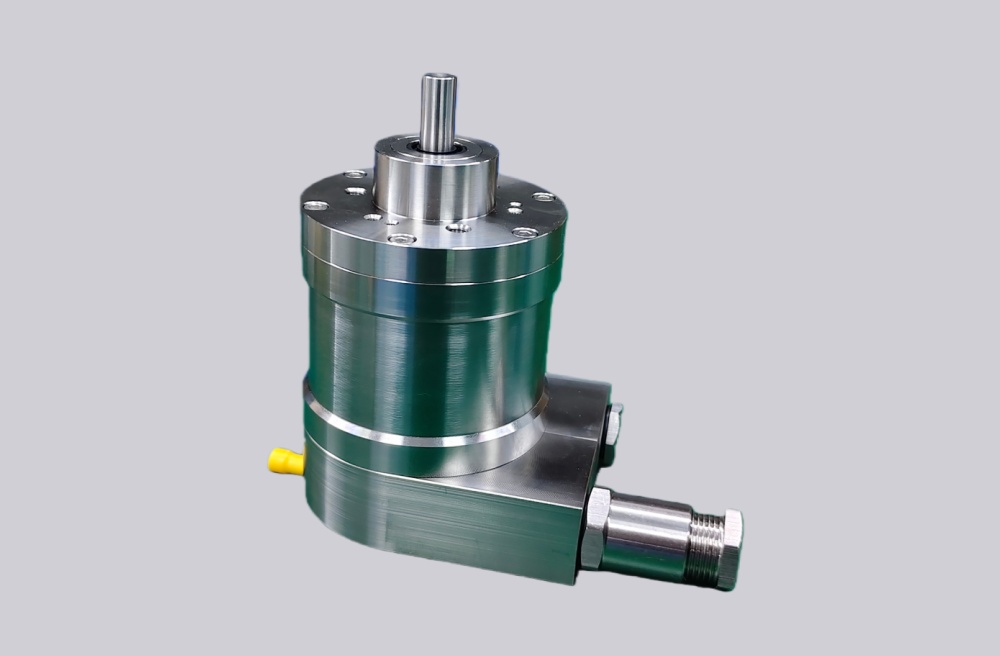
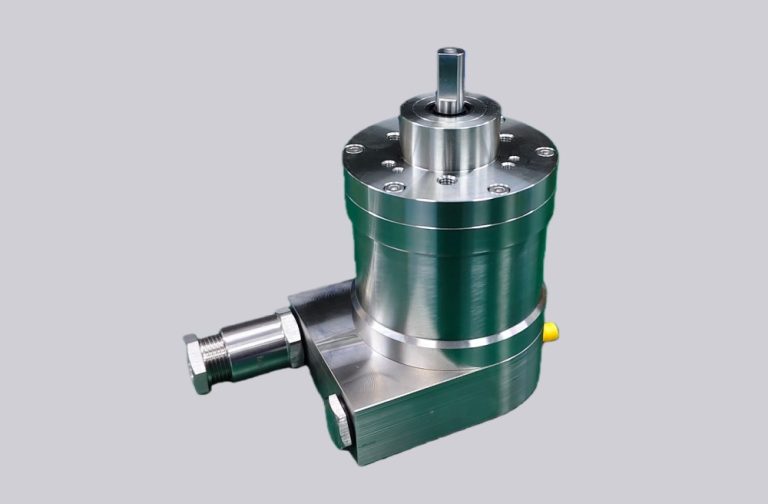
Explosion-Proof Housing as a Mechanical and Safety Concept
Explosion-proof CANopen encoders incorporate:
- Reinforced housing structures
- Controlled flame paths and seals
- Increased wall thickness and structural rigidity
These features ensure safe operation under regulatory compliance, even in harsh industrial environments.
Shaft Interface Considerations
- Solid shaft mounting is preferred for mechanical stability
- Flexible couplings reduce stress on bearings
- Hollow-shaft direct mounting is typically avoided due to sealing complexity
Correct shaft selection is critical to maintain encoder integrity and reliability.
Flange Design and Mounting Constraints
- Rigid mounting surfaces are required to support heavier housings
- Flange fixation must prevent micro-movements
- Axial positioning is crucial to preserve sealing integrity
Mechanical integration is part of the overall safety system, not just the encoder.
Environmental and Certification Requirements
- Must comply with hazardous area standards (gas, dust, or vapor)
- System certification impacts installation and cable routing
- Environmental ratings affect connector and housing selection
Engineers must evaluate full system compliance, not just individual components.
Functional Characteristics
Explosion-proof CANopen encoders provide:
- Deterministic absolute position feedback
- Immediate power-up readiness
- Stable CANopen network communication
Mechanical robustness and operational safety outweigh resolution or compact size in these designs.
Typical Applications
- Oil and gas processing
- Chemical plants
- Mining equipment
- Hazardous-area automation systems
Encoders are integrated into safety-critical subsystems rather than standalone devices.
Retrofit and Replacement Considerations
- Verify certification and regulatory compliance
- Confirm mechanical interface compatibility
- Ensure installation does not compromise sealing and safety
When Explosion-Proof Designs Are Not Required
- Non-hazardous environments
- Adequate separation from ignition sources
- No regulatory certification requirements
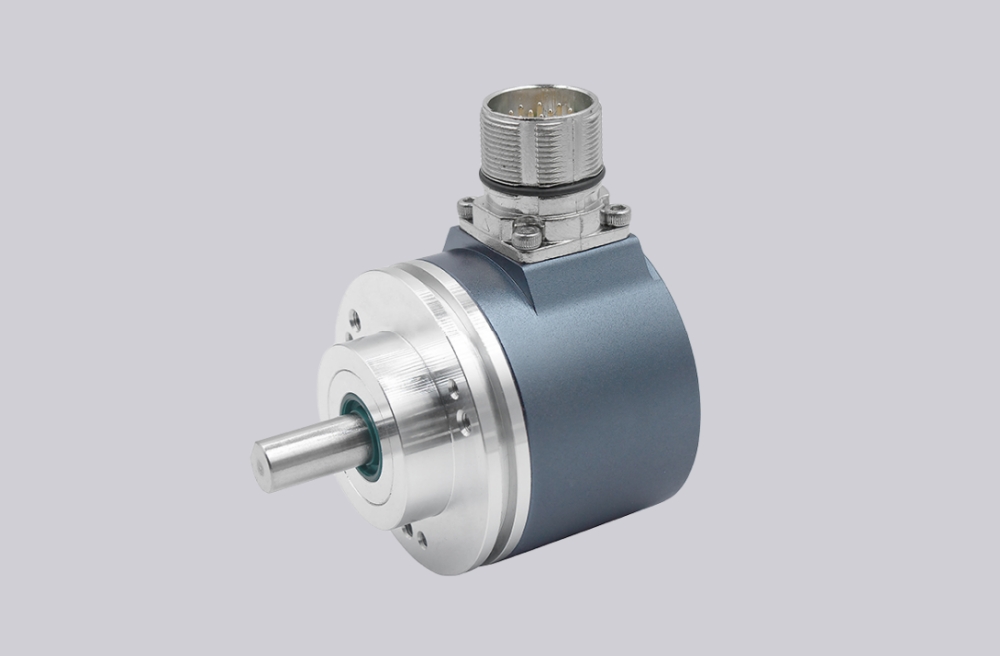
Standard or heavy-duty designs may be more practical in these cases.
Engineering Summary
Explosion-proof CANopen absolute encoders address mechanical, environmental, and certification challenges in hazardous industrial environments.
Engineers must consider housing, shaft interface, flange fixation, and regulatory compliance as primary factors in selection.

Comments (0)