

Why Explosion-Proof Analog Encoders Are Selected
In hazardous or explosion-prone environments, safety regulations and compliance requirements drive encoder selection.
Voltage-output explosion-proof analog encoders must ensure containment and prevent ignition while maintaining usable position feedback.
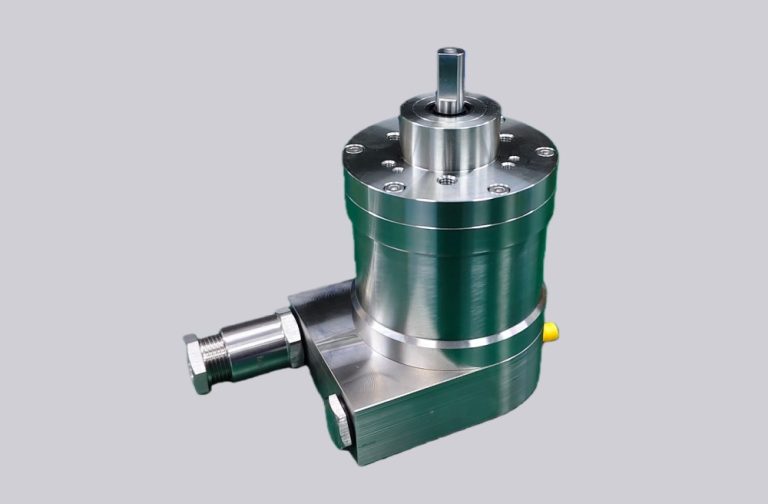
Explosion-Proof Housing as a Safety and Mechanical Concept
Explosion-proof encoders typically exhibit:
- Reinforced housings
- Controlled seals and flame paths
- Increased mechanical rigidity
These design features prioritize safety and compliance within electrical and atmospheric code requirements.
Voltage Signal Behavior in Harsh Environments
Voltage output in explosion-proof applications must consider:
- Grounding strategy
- Shielding to resist electrical noise
- Connector and cable compliance with hazardous area standards
Accurate signal interpretation depends on proper cable selection and termination practices.
Mechanical Interface and Mounting Constraints
Voltage-output explosion-proof encoders are usually:
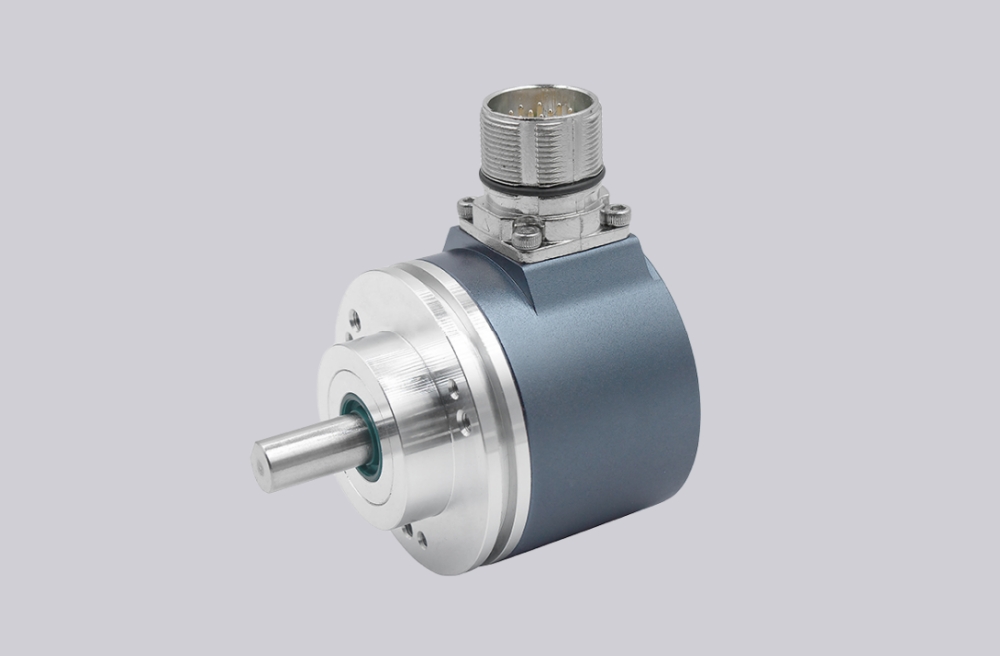
- Solid shaft with coupling to minimize mechanical stress
- Mounted with rigid flanges to support heavier housings
Mechanical integrity is essential to preserve sealing and compliance.

Environmental and Certification Requirements
Engineers must address:
- IEC / ATEX / NEC compliance guidelines
- Environmental sealing and ingress protection
- Cable gland and termination standards
These requirements affect both the encoder and surrounding hardware.
Functional Integration and Safety Considerations
Explosion-proof encoders with voltage output typically feed into:
- PLC analog input modules
- SCADA systems with isolation components
- Signal conditioning units compatible with hazardous area protection
Engineers must ensure signal conditioning does not compromise safety.
Typical Applications
- Chemical and petrochemical plants
- Oil and gas processing units
- Hazardous material handling systems
Environmental safety and compliance outweigh pure electrical performance.
Retrofit and Replacement Considerations
- Confirm hazardous area rating
- Verify mechanical mounting
- Ensure voltage signal integrity under hazardous conditions
When Explosion-Proof Voltage Output Is Not Required
Standard housing or current-output encoders may suffice in:
- Non-hazardous industrial zones
- Systems with adequate electrical isolation
Engineering Summary
Explosion-proof analog absolute encoders with voltage output balance safety compliance and position feedback utility.
Proper mechanical integration, signal management, and regulatory adherence are paramount.

Comments (0)