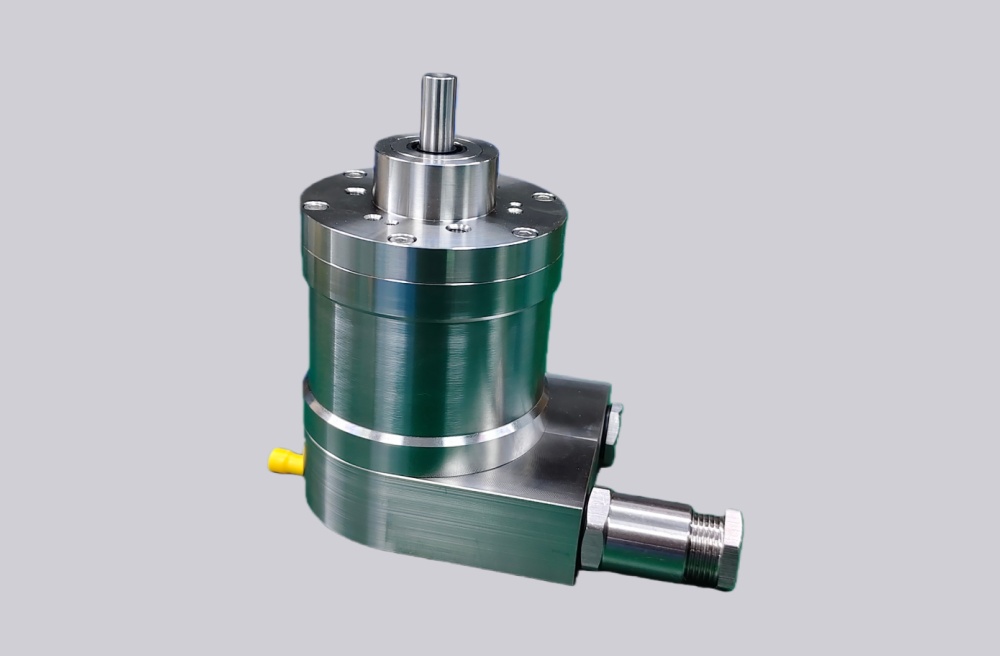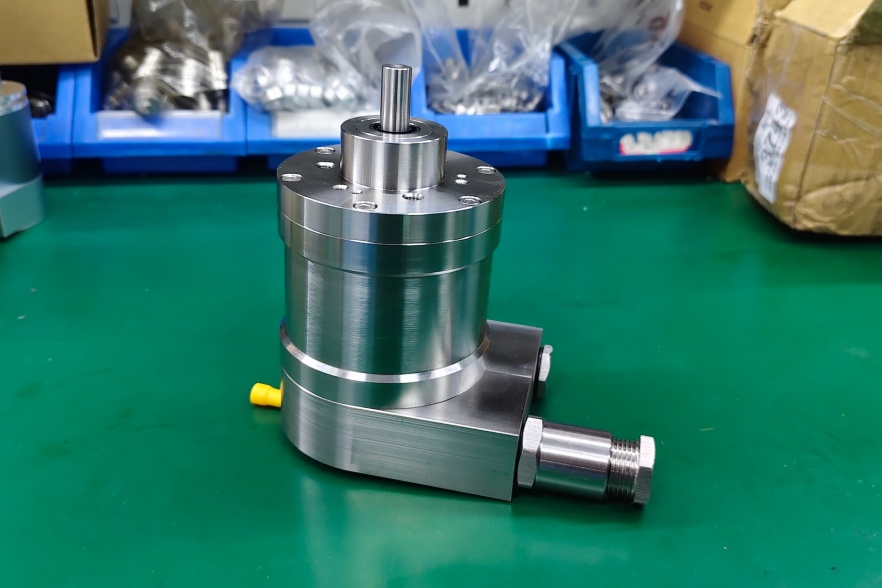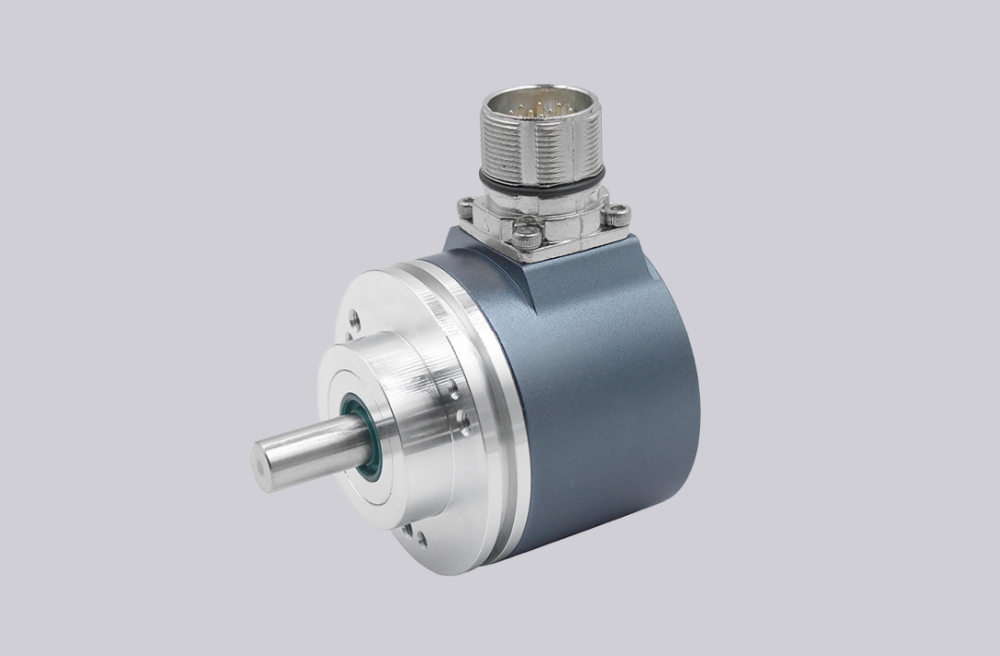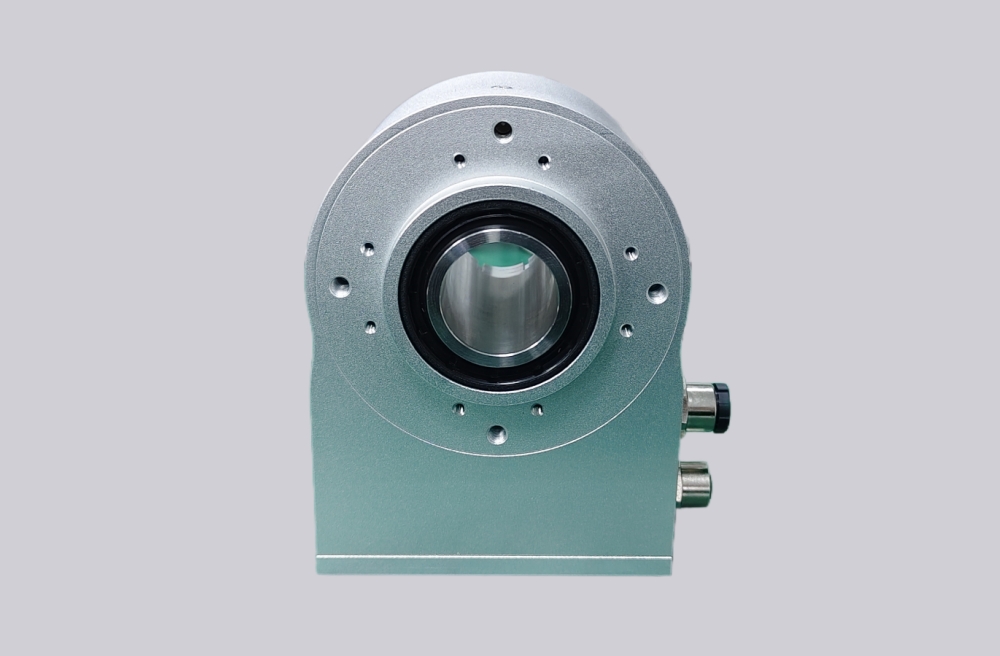




EncoderWorks provides custom compatible PROFINET absolute encoder replacement solutions for standard industrial retrofit projects where device naming, GSD configuration, cyclic data mapping, mechanical fit, and Ethernet shielding must match the original control system. Replacement failure often occurs when the PROFINET device name, data module, resolution mapping, counting direction, connector pinout, network topology, or grounding method differs from the original encoder. Typical production lead time: 15 working days.
Standard PROFINET absolute encoders are commonly used in packaging machinery, automated production lines, conveyors, material handling systems, printing equipment, textile machinery, and PLC-based motion control systems. The standard housing format is often selected because it can fit existing shaft couplings, flange patterns, cabinet wiring, and industrial Ethernet layouts without redesigning the full machine. However, a PROFINET encoder replacement should be reviewed as a communication, mechanical, and installation system rather than as a simple Ethernet device swap.
PROFINET Communication Matching Limits
PROFINET encoder replacement depends on more than selecting an Ethernet-based absolute encoder. The PLC may expect a fixed device name, GSD file structure, telegram or module configuration, cyclic input length, diagnostic behavior, and position data format. If the replacement encoder uses a different configuration model, the controller may fail to establish communication or may read incorrect position values.
Data mapping is another important boundary. Some systems read single-turn position only, while others require combined single-turn and multi-turn data, speed data, status bits, or diagnostic flags. A custom compatible PROFINET encoder solution should confirm GSD compatibility, device naming method, input/output data length, byte order, scaling method, counting direction, and zero-position handling before production.
Mechanical and Housing Compatibility
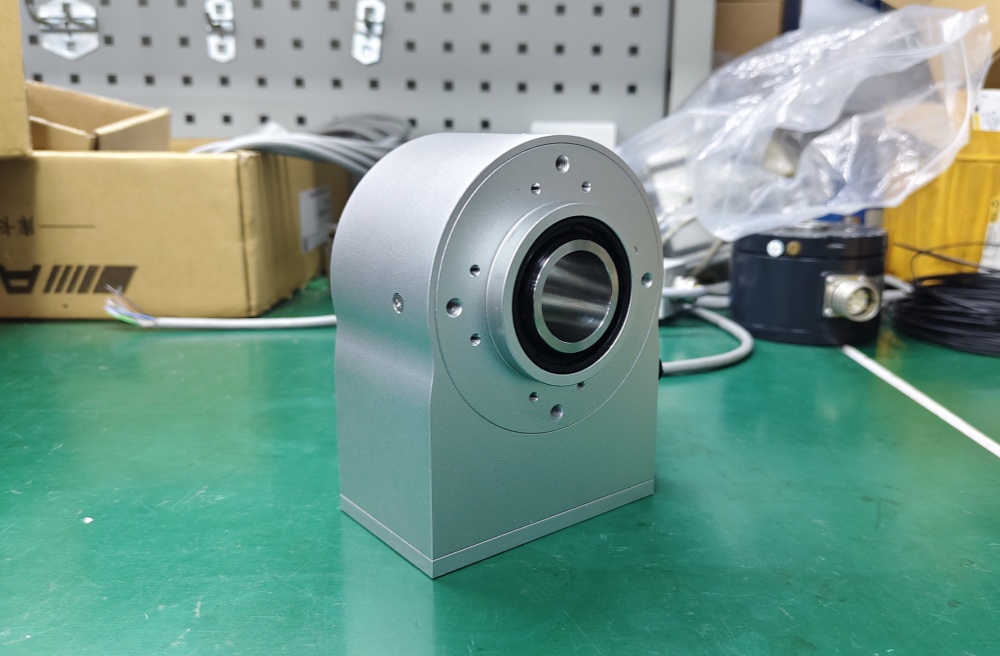
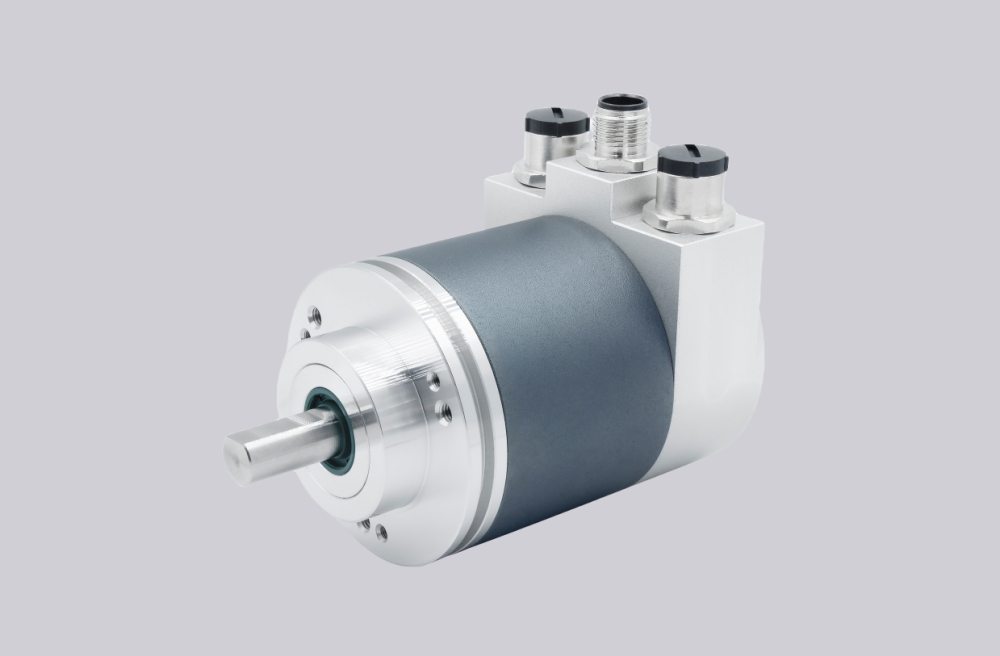
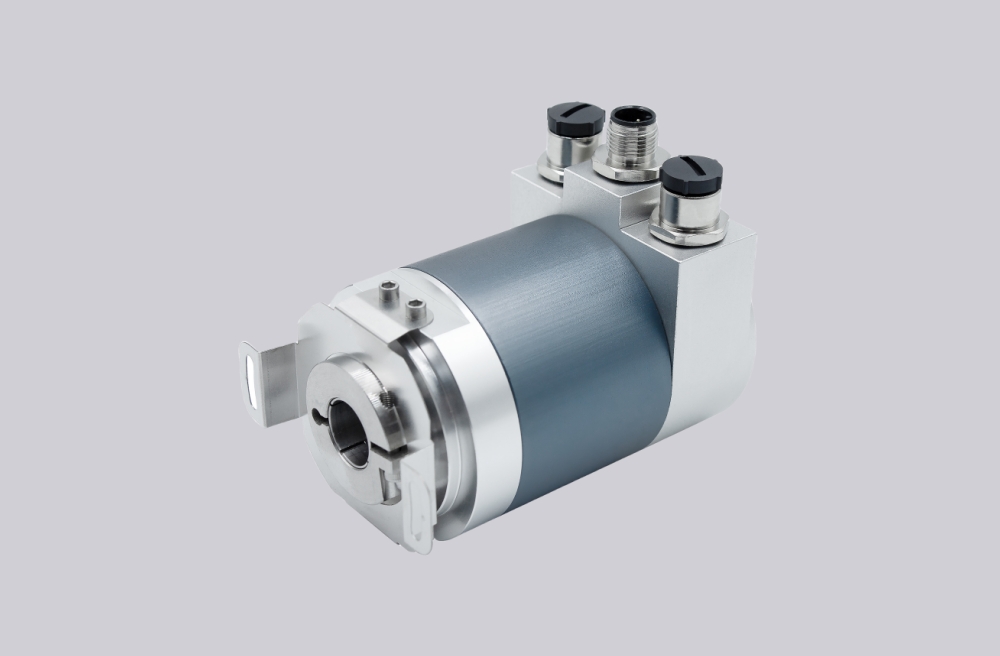
Standard PROFINET absolute encoders are often based on compact industrial housings such as 58 mm class designs. They may use clamping flange, synchro flange, solid shaft, blind hollow shaft, or other mounting formats depending on the machine. Before replacement, the shaft diameter, flange pattern, mounting depth, coupling length, connector direction, and available installation space should be checked.
Mechanical mismatch can create more than installation difficulty. Excessive axial load, radial load, shaft misalignment, coupling stress, or cable strain may shorten bearing life and create unstable feedback. For retrofit projects, EncoderWorks checks not only the encoder body size, but also the installation boundary around the shaft, flange, bracket, coupling, connector, and Ethernet cable route.
Ethernet Wiring, Shielding, and Network Control
PROFINET encoder wiring normally includes power supply, industrial Ethernet connection, shielding, and sometimes additional grounding or diagnostic wiring depending on the installation. In industrial cabinets, Ethernet cables may run near servo drives, VFDs, braking circuits, contactors, or high-current switching devices. Poor shielding, poor strain relief, or unsuitable routing may cause packet loss, device dropouts, unstable diagnostics, or intermittent position feedback.
A stable replacement should confirm connector type, Ethernet cable category, shield continuity, grounding method, supply voltage, and network topology. Device naming, IP assignment, PLC hardware configuration, and diagnostic access should also be checked before commissioning. If the original encoder uses a specific M12 connector direction, cable outlet, or cabinet wiring route, these details should be matched to reduce installation changes.
When Replacement Fails
PROFINET encoder replacement usually fails at the configuration boundary or the network boundary. Typical failure points include missing or incompatible GSD file, wrong device name, mismatched module configuration, different cyclic data length, reversed counting direction, zero-position offset, connector mismatch, weak Ethernet shielding, and incorrect network topology.
These issues may not appear during mechanical installation. They often appear during PLC commissioning, after the encoder is added to the PROFINET network, or when several devices communicate through the same industrial Ethernet segment. Network load, switch behavior, grounding, cable length, drive noise, and PLC scan timing can interact and create faults that are difficult to solve after installation.
Replacement and Retrofit Considerations
A PROFINET absolute encoder should not be replaced only by checking the communication name and resolution. The same PROFINET IO label does not guarantee the same GSD configuration, data module, diagnostic behavior, byte order, scaling method, or controller reading logic. The same housing size also does not guarantee that the shaft interface, flange position, connector outlet, or Ethernet cable route will match the original machine.
For older equipment, the original encoder model may no longer be available, or the machine builder may have used a specific PLC hardware configuration. EncoderWorks can evaluate nameplate data, GSD requirements, PLC configuration screenshots, wiring photos, mechanical drawings, connector information, and network conditions to define a custom compatible replacement path.
EncoderWorks Custom Compatible Solution
EncoderWorks supports custom compatible PROFINET absolute encoder solutions for replacement and retrofit applications.
- Match PROFINET device naming, GSD configuration, cyclic data length, module structure, data mapping, and output behavior according to PLC requirements.
- Confirm shaft, flange, housing size, mounting depth, coupling space, connector direction, and Ethernet cable route before production.
- Adapt connector pinout, cable length, shield continuity, grounding method, supply voltage, and network installation boundary to existing machine wiring.
- Review failure boundaries such as no PLC communication, wrong data module, unstable network connection, direction reversal, zero-position offset, bearing load, and noise interference.
Related Solutions
- Explosion-Proof PROFINET Encoder Replacement Solutions
- Hollow-Shaft PROFINET Encoder Replacement Solutions
Product Selection
For product configuration and model selection, use the corresponding SIVIDI selection page.
Configure on SIVIDI:ProfiNet I/O Absolute Encoder SAS/M58